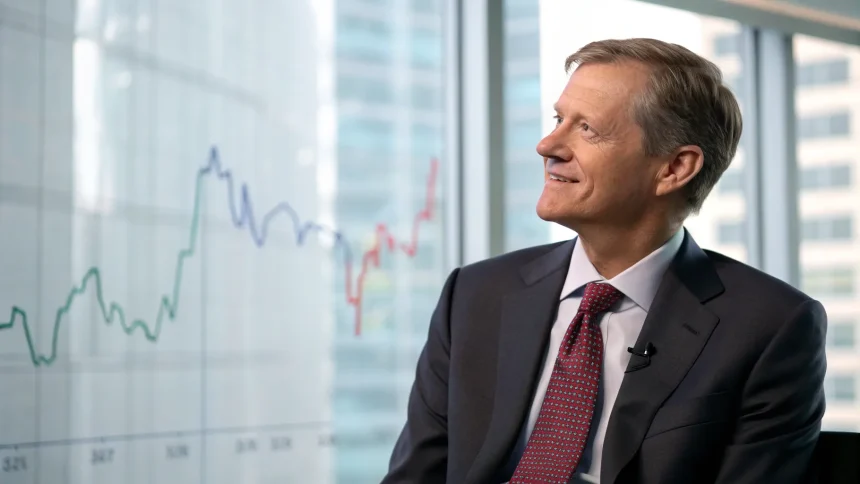
A veteran banker from Bank of America offered a grounded read on markets and management in a recent television appearance, linking investor mood with leadership under pressure. Eric Shimpf, a member of the firm’s executive management team and a military veteran, spoke about the current trading climate, how investors are reacting, and what former service members bring to corporate roles.
Shimpf joined the morning business program to address market signals and the mindset of clients. He also explained how veterans apply discipline and team-focused habits to decision-making. His remarks come as investors weigh inflation trends, rate policy, and corporate earnings.
Bank of America executive management team member and veteran Eric Shimpf joins ‘Mornings with Maria’ to discuss the market, investor sentiment and the leadership qualities veterans bring to business.
Why Sentiment Matters Right Now
Investor sentiment can swing quickly when rates, employment, and earnings expectations shift. Money managers watch those signals to decide how much risk to take. Shimpf’s comments reflect a market in search of direction after bouts of volatility and relief rallies.
Sentiment often tracks a few drivers: price stability, job trends, and central bank guidance. When inflation cools and companies keep margins healthy, investors grow more confident. When price pressures stick or guidance weakens, they pull back.
Surveys such as consumer and investor confidence indexes help show mood changes. Portfolio flows, credit spreads, and volatility measures add more clues. Together, these indicators guide the conversation across trading desks and boardrooms.
Signals From Big Bank Clients
Large banks sit close to both households and companies. That gives executives a broad view of spending, hiring, and borrowing. While Shimpf did not reveal client details, his focus on sentiment hints at mixed signals. Some sectors may see steady demand, while others pause new projects and conserve cash.
For corporate leaders, the question is how to plan under uncertainty. Companies tend to protect liquidity and prioritize projects with clear paybacks. They delay nonessential spending and track input costs week by week. Banks watch credit quality and payment trends to spot stress early.
What Veterans Bring to Business
Shimpf highlighted leadership qualities formed through service. Veterans often make decisions with limited information and tight timelines. They train teams to execute under stress and adapt when plans change. These skills fit well with financial markets and complex operations.
Research has long linked veteran leadership with steady team performance and strong safety records. Hiring programs across finance, manufacturing, and technology seek these traits. Mentorship networks also help former service members build careers after active duty.
- Clear, mission-driven goals in complex settings
- Calm execution under pressure
- Accountability and team cohesion
- Bias for planning, rehearsal, and feedback
Implications for Investors
Shimpf’s focus on sentiment suggests a market balancing caution with selective risk-taking. Rate expectations and inflation data remain central. Earnings guidance and capital spending plans will shape stock and credit pricing. Investors may prefer quality balance sheets and strong cash flow until the path is clearer.
Diversification, liquidity planning, and scenario testing are common responses. Investors who model a range of outcomes can react faster when data shift. Veteran leaders, trained for contingencies, tend to favor these methods.
What to Watch Next
Several signposts can confirm a steadier backdrop. A consistent downtrend in inflation, stable employment, and improved earnings visibility would support risk assets. Any surprise in policy or growth could reset expectations again.
For management teams, the playbook is familiar: protect cash, prioritize core projects, and keep communication crisp. For investors, the aim is to stay flexible and avoid forced moves. Shimpf’s emphasis on discipline and teamwork speaks to that shared aim across markets and companies.
Shimpf’s appearance offered a simple message for a complex time. Markets take their cues from data and confidence. Leaders shape outcomes by planning well and acting with clarity. The next phase will depend on how both align as new numbers arrive and companies set their course for the months ahead.