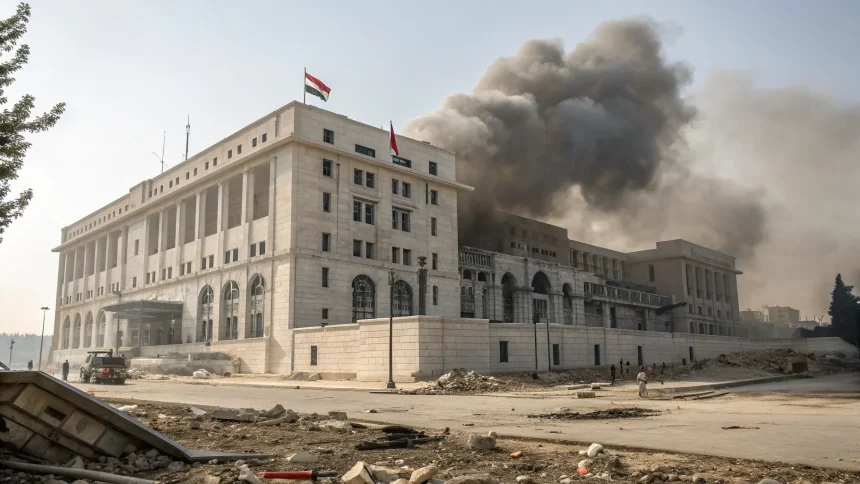
The Iranian-backed Houthi rebel group announced that an Israeli airstrike has killed the prime minister of their self-proclaimed government in Sanaa, Yemen’s capital. This marks a significant escalation in regional tensions as the conflict in the Middle East continues to expand beyond its initial boundaries.
According to Houthi officials, the strike targeted and killed the prime minister who had been serving in the rebel-controlled administration that governs large portions of northern Yemen, including the capital city. The Houthis have controlled Sanaa since 2014 when they forced the internationally recognized government to flee.
Regional Conflict Expansion
This reported strike represents a potential widening of Israel’s military operations beyond its ongoing conflicts in Gaza and Lebanon. If confirmed, it would be a notable extension of Israeli military action into Yemen, a country already devastated by years of civil war.
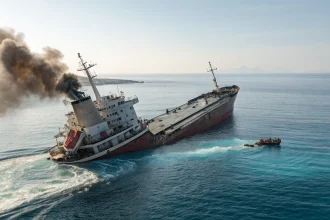
The Houthi movement has increasingly positioned itself as part of the “axis of resistance” against Israel, alongside groups like Hezbollah in Lebanon and Hamas in Gaza. Since October 2023, the Houthis have launched numerous attacks on shipping in the Red Sea, claiming these actions were in solidarity with Palestinians.
International Implications
The reported killing of a high-ranking Houthi official by Israel could trigger further escalation in an already volatile region. International observers worry this may lead to:
- Increased Houthi attacks on maritime shipping routes
- Greater Iranian involvement in supporting proxy forces
- Potential for wider regional conflict
The United States and other Western nations have conducted strikes against Houthi targets in recent months in response to attacks on commercial vessels in the Red Sea, but this would mark the first reported Israeli strike resulting in such a high-profile casualty.
Yemen’s Complex Conflict
Yemen has been locked in a devastating civil war since 2014, when Houthi rebels seized control of the capital and large portions of the country’s north. A Saudi-led coalition intervened in 2015 to restore the internationally recognized government, resulting in what the UN has called one of the world’s worst humanitarian crises.
The Houthis have established their own governmental structures in areas under their control, including appointing ministers and officials who run day-to-day operations in Sanaa and other territories.
Neither Israel nor independent sources have yet confirmed the strike or the reported death. Israel typically does not comment on specific military operations outside its immediate borders.
This development comes amid heightened tensions across the Middle East, with active conflicts in Gaza, Lebanon, and now potentially extending further into the Arabian Peninsula. Regional analysts suggest this could complicate diplomatic efforts to contain the spreading violence and may draw more direct involvement from Iran, the Houthis’ main international backer.
As the situation develops, neighboring countries and international organizations are closely monitoring the potential for further escalation that could destabilize shipping lanes vital to global commerce and energy supplies.