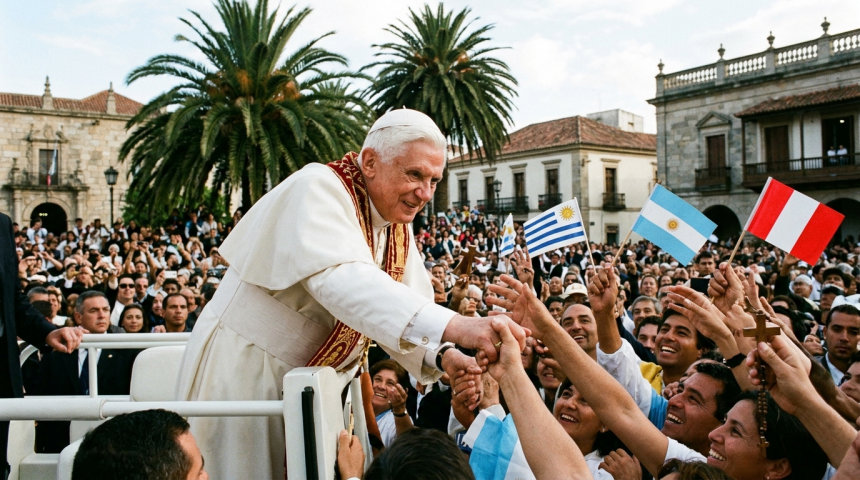
Pope Leo displayed renewed urgency during visits to Uruguay, Argentina and Peru after undergoing surgery, according to an account of his travels. His apparent vitality drew an enthusiastic response from Catholic worshippers across South America.
The tour placed the pope before large groups of faithful at a sensitive point in his recovery. It also showed how a leader’s health can shape public perceptions of his ability to serve and travel.
A Demanding Return to Public Duties
International papal trips often include speeches, religious services and meetings with local leaders. Maintaining that schedule after surgery can carry both practical and symbolic weight.
“Pope Leo’s surgery appeared to infuse him with a sense of urgency and even vitality for his travels through Uruguay, Argentina and Peru, enamoring the faithful.”
The observation links the medical procedure with a visible change in the pope’s public manner. However, it does not identify the operation, its date or the medical advice that guided his travel.
That missing information limits any firm conclusion about his condition. Energy during public appearances does not provide a full measure of recovery, especially during a demanding trip.
Three Nations With Strong Catholic Ties
Uruguay, Argentina and Peru each have deep Catholic traditions, though religion plays a different public role in each country. A papal visit can unite worshippers while drawing attention to local social and political concerns.
Argentina carries special importance within Latin American Catholic life. Peru also has a large Catholic population and a long history of public devotion. Uruguay has a more secular civic tradition, making a strong reception there meaningful in a different way.
The three-country route gave Pope Leo a chance to address several audiences in one journey. The response described as enamored suggests that his visible energy became part of the tour’s message.
Health Becomes Part of the Story
Popes face unusual scrutiny over their health because they often serve at an advanced age. Their duties combine spiritual leadership, administration and diplomacy. Travel can therefore become an informal test of stamina.
Public appearances after medical care may reassure followers. They can also create pressure to maintain a demanding schedule, even when recovery requires rest and close supervision.
The account offers several clear observations but leaves key questions unanswered:
- The type and timing of the surgery are not stated.
- No medical assessment of Pope Leo’s recovery is provided.
- The dates and events included in the tour are unspecified.
- No comments from Vatican officials or physicians are included.
Those gaps matter because descriptions such as urgency and vitality reflect outward impressions. They should not be treated as clinical findings.
A Symbolic Display of Continuity
For the faithful, the pope’s presence can carry more meaning than the details of his schedule. Appearing engaged after surgery may signal continuity, resolve and commitment to communities far from Rome.
For Vatican officials, future travel decisions will likely depend on medical guidance and the pope’s capacity to sustain public duties. Any changes to his schedule could offer a clearer measure of his recovery.
The South American journey presented Pope Leo as an active leader who appeared energized after a health challenge. The strongest conclusion concerns public perception, not medical fact. His next trips, workload and official health updates will show whether that vitality can be maintained.