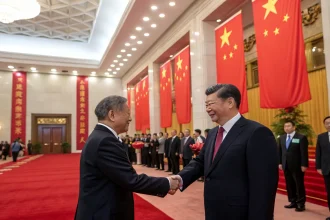
A president has described an outgoing prime minister as “a lovely man” before sharply criticizing his record on NATO and domestic policy.
The remarks paired a warm personal assessment with a direct political attack. Details about the leaders, timing, and location were not disclosed, but the exchange points to wider disputes over defense commitments and government performance.
The contrast also shows how leaders can separate personal relations from policy disagreements. That distinction may help preserve diplomatic ties while allowing criticism aimed at voters and political allies.
Personal Praise Meets Political Criticism
The president began with language that appeared friendly and respectful.
“A lovely man.”
That praise was followed by criticism of the prime minister’s record. The president targeted both NATO policy and decisions made at home.
This style of criticism can serve several purposes. It reduces the force of a personal attack while keeping attention on policy. It can also present the speaker as fair-minded before a harsher judgment.
However, the friendly description does not lessen the political importance of the comments. Criticism involving NATO can affect relations among allies, especially when disputes concern defense spending, military readiness, or burden-sharing.
NATO Record Draws Scrutiny
NATO policy has often caused tension between allied governments. Members agree on shared defense, but they have faced recurring disputes over how costs and responsibilities should be divided.
A criticism of a prime minister’s NATO record could involve several issues:
- National defense spending and agreed targets
- Military support for allied operations
- Readiness, staffing, and equipment levels
- The government’s public commitment to collective defense
The precise complaint was not provided. That limits any firm assessment of whether the criticism concerned spending, strategy, or political leadership.
Even so, raising NATO alongside domestic policy broadens the attack. It suggests the president was not focused on one dispute, but on the outgoing leader’s overall performance.
Domestic Policy Adds Political Weight
Domestic policy criticism can cover economic management, immigration, public services, taxation, or social policy. No specific policy area was identified in the remarks.
The lack of detail makes the president’s political purpose harder to judge. The comments may have been intended to assess the departing prime minister’s legacy. They may also have sent a message to the leader’s successor.
Outgoing leaders often face renewed scrutiny because their departure creates a clear point for judgment. Supporters highlight achievements, while critics seek to define the record before a successor takes office.
What the Remarks Could Signal
The statement may matter most for what follows. A change in leadership can alter defense policy, spending plans, and diplomatic relations. The president’s criticism could increase pressure on the next government to adopt a different course.
The personal compliment may keep that pressure from becoming an open diplomatic clash. Yet the policy attack remains clear and could shape future talks between the two governments.
More detail will be needed to measure the full impact, including the policies challenged and any response from the outgoing prime minister. For now, the remarks offer a blunt verdict: personal regard did not prevent a negative assessment of the leader’s NATO and domestic record.