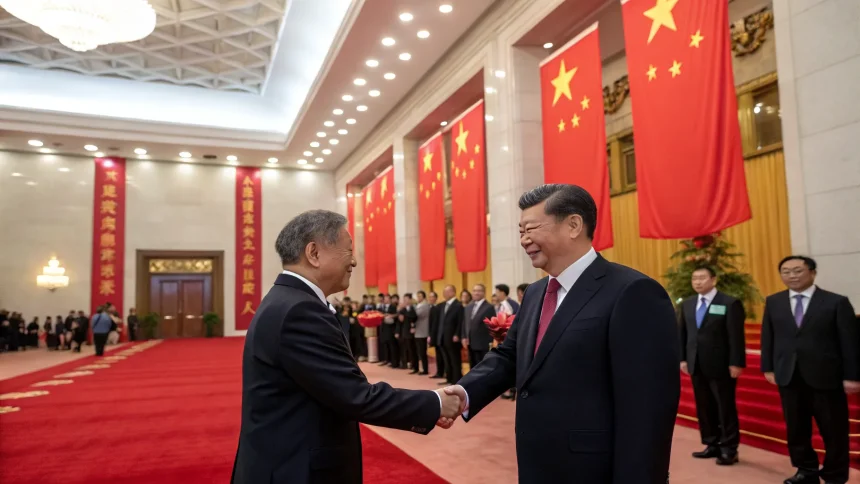
China is moving quickly on diplomatic theater, hosting a close ally less than a week after welcoming US President Donald Trump with a high-profile visit in Beijing. The rapid sequence shows how Beijing balances ties with Washington while shoring up relationships that offer leverage on trade, security, and regional influence.
The meetings signal a push to keep channels open with the United States, even as China reinforces a network of friendly capitals. The timing highlights a careful strategy: engage the world’s largest economy, then reassure partners that Beijing’s core alignments remain steady.
Setting the Stage: Two Tracks of Diplomacy
For years, China has pursued two tracks at once. It courts major powers that affect global markets while building deeper ties with countries that share its strategic outlook or depend on Chinese investment. That pattern is on display again.
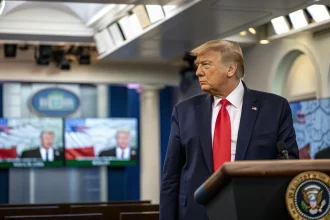
Trump’s visit centered on trade, market access, and security issues. It featured pageantry aimed at signaling stability. The follow-on visit by a close ally is a reminder that China’s foreign policy is not about a single relationship, but a portfolio.
“Less than a week after Xi Jinping rolled out the red carpet for US President Donald Trump, the Chinese leader is hosting another guest of honor – and this time it’s a close ally.”
The choreography matters. A swift pivot from Washington to a friendly capital helps China maintain bargaining power and reduce the risk of overreliance on one partner.
Trade, Security, and Regional Signals
Economic ties remain the engine of China’s outreach. After high-level talks with the United States, Beijing often announces commercial deals, market steps, or frameworks for future negotiations. A visit by a close ally can add momentum, offering alternative markets, energy partnerships, or technology cooperation that blunt pressure on trade concessions.
Security is another anchor. Coordinated statements with friendly governments can reinforce China’s positions on regional flashpoints. By stacking visits close together, Beijing signals continuity to both domestic and foreign audiences.
What the Timing Suggests
- Leverage: Hosting an ally after US talks strengthens China’s hand in future negotiations.
- Reassurance: Partners see that ties with Washington do not sideline long-standing friendships.
- Domestic optics: A steady stream of VIP visits projects confidence at home.
Analysts often read the order of visits as a message in itself. Meeting Washington first suggests interest in managing trade friction and strategic risk. Following up with an ally shows there are other doors open if talks stall.
Competing Viewpoints
Supporters of the approach say the back-to-back diplomacy reduces shocks from any one relationship. If tariffs rise or talks falter, China can lean on energy deals, infrastructure contracts, or currency swaps with friendly partners.
Critics argue the strategy can invite suspicion from the United States, which may see closer alignment with certain capitals as a hedge against cooperation. They also warn that overlapping commitments can be hard to manage when crises emerge.
Looking Ahead: Tests and Opportunities
Several factors will shape what comes next. Markets will watch for concrete trade steps that follow the visits. Security watchers will track whether joint statements soften tensions or harden stances. Development banks and exporters will look for signals on financing and market entry tied to any new agreements.
China’s leaders want predictable ties with Washington without giving up room to maneuver. Hosting a close ally so quickly after a US visit sends that message in simple terms. It is diplomatic risk management on a tight schedule.
The headline move is clear: Beijing is keeping lines open on both sides of the table. The next test will come when promises face deadlines. If talks with the United States gain traction, parallel work with allies could add stability. If talks stumble, those same partnerships may become lifelines that cushion trade or security shocks. Either way, the pace of visits suggests more high-stakes diplomacy is on the calendar.