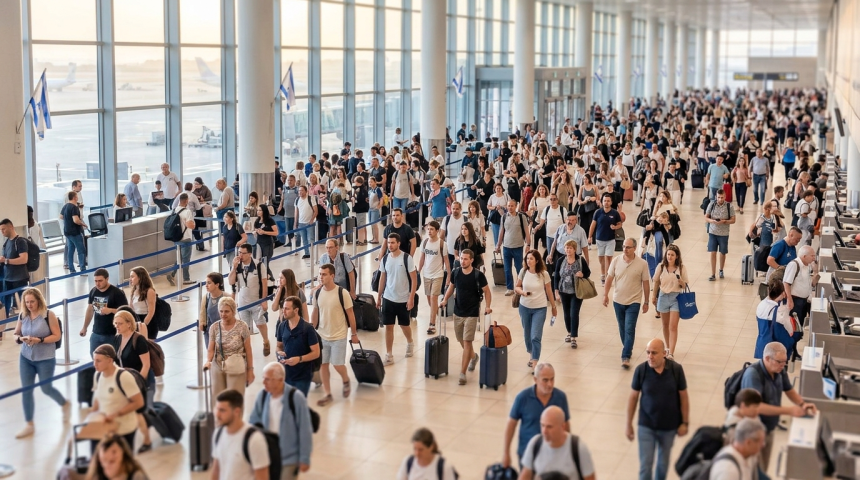
Tens of thousands of Israelis are returning home to vote in a closely contested election, adding uncertainty to a race where turnout could shape the result.
The movement of voters back to Israel shows the importance many citizens place on taking part. It also suggests that votes from Israelis living or traveling abroad may matter in a narrow contest.
Key details, including the election date, the competing candidates and the expected margin, were not provided. Still, the scale of the return points to strong public interest and a potentially decisive turnout effort.
Returning Voters Could Affect the Race
Close elections often depend on which side can bring more supporters to polling stations. Returning citizens may influence that balance, especially if their political preferences differ from those of voters already at home.
“Tens of thousands of Israelis are returning home to vote in a tight election.”
The reported number is significant because overseas travel requires time and money. Such journeys can reflect strong political concern, personal duty or fear that a small number of ballots could decide the outcome.
However, the political effect cannot be measured without more information. It is unclear where the returning voters normally live, which parties they support or how many would have returned regardless of the election.
Turnout Takes Center Stage
Israel’s elections use nationwide proportional representation. Voters select party lists, and parliamentary seats are distributed according to each party’s share of the vote, subject to electoral rules.
That system can make small changes in support important. A modest shift may alter the distribution of seats or affect which parties can assemble a governing coalition.
In a tight contest, campaigns are likely to focus on three immediate tasks:
- Persuading undecided voters before polling closes.
- Helping supporters reach voting locations.
- Monitoring turnout in areas with strong party support.
High participation does not automatically help one political camp. Its impact depends on which voters take part and whether their choices differ from earlier expectations.
A Vote With Wider Consequences
Israeli elections often carry effects far outside the country. The government that emerges can influence security policy, economic planning, public services and relations with regional and international partners.
A narrow result can also complicate coalition talks. Parties may need to negotiate policy commitments and government posts before a governing majority can be formed. Those talks can take time, even after ballots are counted.
The return of citizens from abroad may also place short-term pressure on flights and travel routes. No transport disruptions or special voting arrangements were reported, however.
What Remains Unclear
The scale of the reported return offers one measure of engagement, but it does not forecast the winner. Final turnout, party vote shares and coalition arithmetic will provide the clearest evidence.
Officials and election monitors will also face scrutiny over voting access, ballot counting and the release of results. In any close race, public confidence depends on clear procedures and timely information.
For now, the central fact is that tens of thousands of Israelis consider the contest important enough to travel home. Their ballots may not decide the election alone, but they could matter if the final gap is small. Attention will next turn to turnout, certified results and the negotiations needed to form a government.