Adan Manzano, a 27-year-old Telemundo anchor from Kansas City, was found dead in a New Orleans hotel room before last year’s Super Bowl.
Manzano had traveled to the host city as attention turned to one of the largest annual events in American sports. The circumstances and cause of his death were not disclosed in the available account.
A Young Journalist on a Major Assignment
Manzano worked as an anchor for Telemundo in Kansas City. At 27, he was part of a generation of bilingual journalists serving growing Spanish-speaking audiences across the United States.
The Super Bowl draws thousands of reporters, production workers, fans and corporate guests to its host city. Local television stations often send journalists to produce coverage for audiences back home.
Such assignments can include live reports, interviews and stories about the host city. They also require long hours and travel during a week marked by crowded venues and intense public interest.
Manzano’s death cast a shadow over that coverage. It also left colleagues and viewers facing questions about what happened during his stay in New Orleans.
Key Questions Remain Unanswered
The available information establishes only a few central facts:
- Manzano was 27 years old.
- He was an anchor for Telemundo in Kansas City.
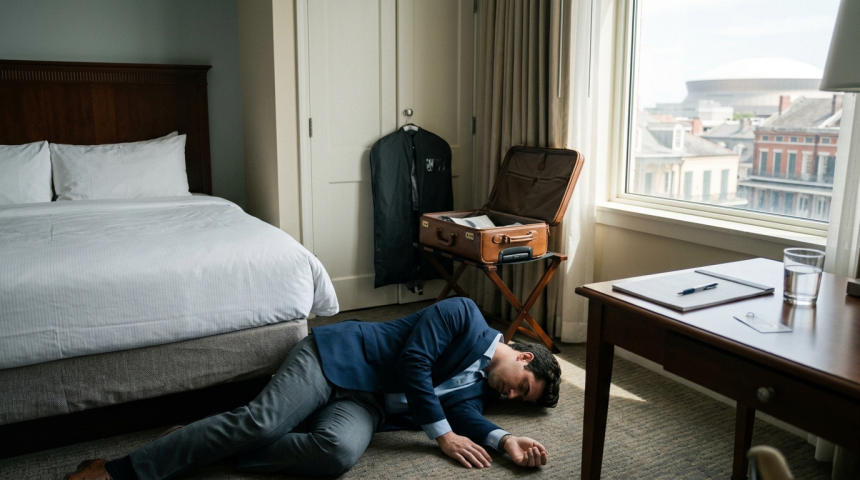
- He was found dead inside a New Orleans hotel room.
- His death occurred before the Super Bowl held there last year.
No cause or manner of death was provided. There was also no information about when he was last seen, who discovered him or whether authorities suspected criminal activity.
Those omissions matter. A death inside a hotel does not, by itself, establish how the person died. Any conclusion would require findings from investigators and medical examiners.
Official reviews commonly examine physical evidence, surveillance video, electronic records and witness accounts. Medical examiners may also conduct toxicology testing, which can take time to complete.
A Loss for Spanish-Language News
Telemundo stations play an important role for viewers seeking local reporting in Spanish. Their journalists cover public safety, schools, immigration, weather and major civic events.
The death of a young anchor can therefore affect more than one newsroom. Viewers often develop strong connections with local broadcasters who appear in their homes each day.
Manzano’s death also highlights the demands placed on television crews during major events. Journalists may work away from their usual support networks while meeting tight deadlines in unfamiliar cities.
That context does not explain what happened. It does show why news organizations closely track staff safety, travel plans and lodging during large assignments.
Facts Must Lead the Reporting
Until authorities release verified findings, restraint remains essential. Social media speculation can spread quickly after a sudden death, especially when the person was young and publicly known.
The central fact is stark: a 27-year-old journalist died while away from his Kansas City newsroom. The unanswered questions concern how, when and under what circumstances.
Further clarity would depend on official records, medical findings and statements from investigators or Manzano’s employer. Those details would help separate evidence from rumor and determine whether any wider public-safety concerns exist.
For now, the case remains a painful loss for Manzano’s family, colleagues and audience. The next meaningful development will be a verified account of his final hours and the official cause of death.