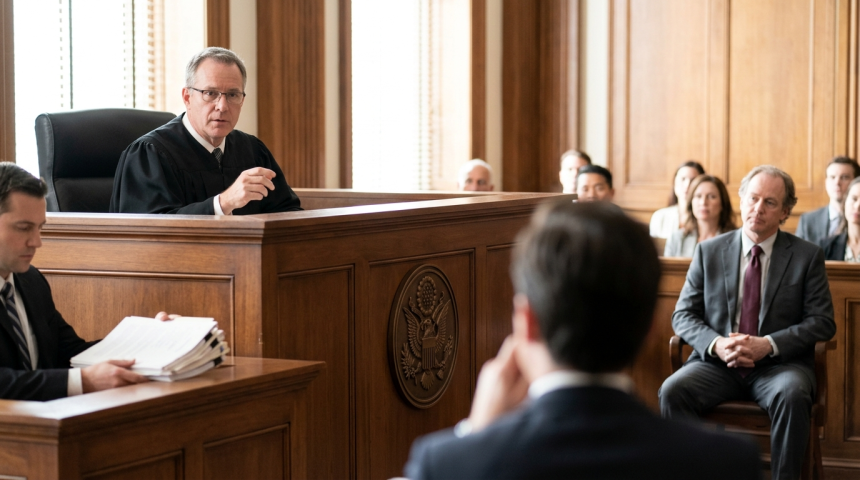
A U.S. district judge has found TikTok liable for misrepresenting its safety standards in a lawsuit brought by Texas Attorney General Ken Paxton. The decision gives Texas an important legal victory in its effort to hold the social media company responsible for claims about user protection.
The ruling centers on allegations that TikTok was not truthful about its safety practices. Details about the specific standards, the judge’s reasoning, and possible penalties were not immediately provided.
Texas Challenges TikTok’s Safety Claims
Paxton’s lawsuit accused TikTok of presenting its platform as safer than its actual practices justified. The judge agreed that the company was liable for what the case described as “lying” about those standards.
The finding matters because safety statements can shape decisions by users, parents, schools, and advertisers. Such claims may cover how a platform handles harmful material, protects younger users, or applies its own policies.
However, a liability finding does not always settle every part of a case. Courts may address penalties, damages, or required changes in later proceedings. TikTok also may seek further review, depending on the ruling and applicable court procedures.
Ruling Adds to Pressure on Social Platforms
TikTok and other major social media companies face growing scrutiny over how they describe safety controls. Public officials have questioned whether platform policies match the experience of users, especially children and teenagers.
The Texas case highlights several issues that may affect the wider technology industry:
- Companies may face legal exposure if public safety claims are inaccurate.
- Internal enforcement may receive closer examination from courts and regulators.
- Platforms could be pushed to provide clearer evidence supporting safety statements.
- Parents and younger users may demand more transparent controls and reporting.
The ruling could also influence how technology companies write public policies. Broad assurances may carry greater risk if a platform cannot show that its systems consistently meet those promises.
Key Questions Remain Unanswered
The available information does not identify the precise statements that the court found misleading. It also does not explain whether the case concerns content moderation, privacy, youth protections, or another area of platform safety.
Those details will be important when assessing the ruling’s reach. A narrow decision tied to specific representations could have limited effects. A broader judgment about TikTok’s safety disclosures could shape other cases and regulatory actions.
TikTok’s response was not included in the available account. Without the company’s position or the full judicial opinion, the legal and operational effects cannot yet be measured fully.
What Comes Next
Attention will now turn to the court’s written findings and any remedy sought by Texas. Possible next steps may include additional hearings, financial penalties, changes to public statements, or an appeal.
The immediate result is clear: Texas has secured a liability finding against one of the largest social media platforms over its safety representations. The next phase will show whether the decision changes TikTok’s practices and sets a wider standard for how online platforms describe user protections.