Leaders of a pro-artificial intelligence super PAC are confronting growing resistance to data centers, a dispute that could shape future political campaigns and local development decisions.
In an exclusive interview, the group’s leaders discussed what they called “data center backlash.” Their focus signals that AI’s physical footprint is becoming a political issue, not merely a technical or business concern.
AI Expansion Meets Local Politics
AI systems rely on data centers filled with computing equipment. These facilities require land, electricity, cooling systems, and links to high-speed networks.
Supporters often point to construction spending, tax revenue, and the chance to attract technology investment. Critics may question electricity demand, water use, noise, land rules, and the effect on household utility costs.
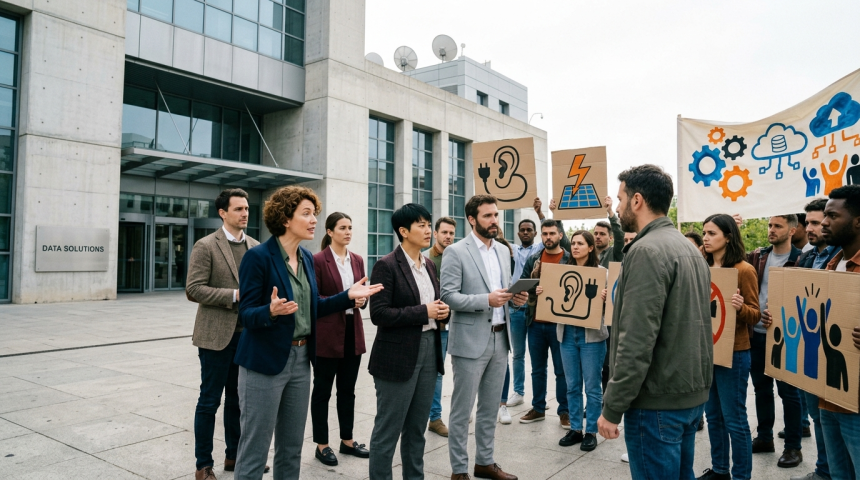
That tension creates an awkward sales pitch for the AI industry. Software may feel weightless, but the machinery behind it is not. Communities often encounter AI through a proposed industrial site, power project, or zoning hearing.
The super PAC’s attention suggests those local debates may soon influence campaign messaging. Political action committees can spend independently to support or oppose candidates, although they cannot coordinate that spending directly with campaigns.
Why Backlash Could Reshape AI Policy
Opposition to data centers can slow permits, raise project costs, or push developers toward communities offering friendlier rules. It can also pressure elected officials to demand clearer public benefits.
The dispute is likely to test several competing priorities:
- Economic development and local tax revenue
- Reliable and affordable electricity supplies
- Water, land, and environmental protections
- Public control over zoning and infrastructure
A pro-AI super PAC has a clear interest in preventing local resistance from becoming a broader political movement. Yet describing criticism as backlash carries its own risk. Residents may view that label as dismissive if their concerns involve utility bills or scarce resources.
For AI advocates, the challenge is therefore practical as well as political. Broad promises about innovation may carry less weight than specific answers about power use, jobs, taxes, and who pays for new infrastructure.
A Debate With Missing Details
The available remarks did not identify the super PAC, its leaders, the location of the interview, or particular data center projects. They also offered no spending totals, policy proposals, or direct response from community opponents.
Those omissions limit firm conclusions about the group’s campaign plans. Still, the choice of topic is revealing. AI politics is moving from national arguments about regulation and competition into city councils, planning boards, and utility proceedings.
Future scrutiny will center on whether the group backs candidates, funds advertising, or promotes rules that speed data center approval. Equally important will be the response from residents, energy regulators, and local officials.
The larger lesson is simple: AI growth depends on physical infrastructure, and infrastructure requires public consent. Pro-AI political groups may have ample money and polished messages. Communities, however, hold permits, votes, and plenty of pointed questions.