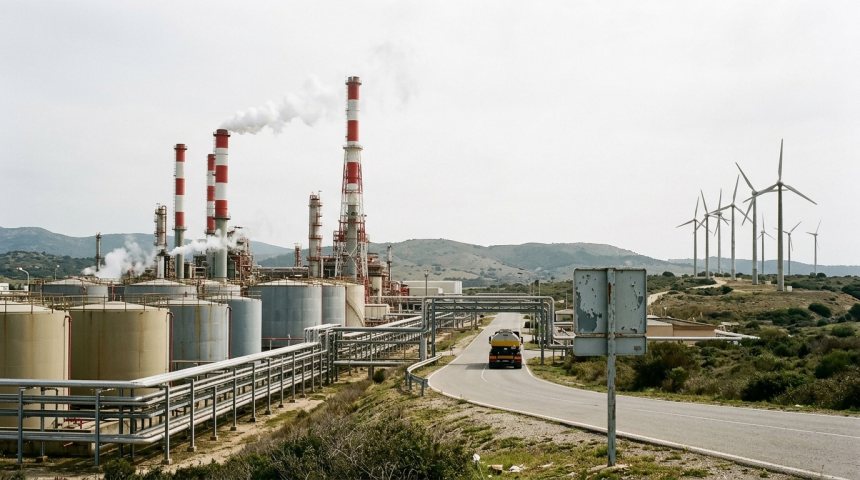
Major stock indexes closed lower Monday as memory-chip shares fell and oil prices rose after a new U.S. warning involving Iran.
SK Hynix and other chipmakers led the market decline. Energy markets moved in the opposite direction after President Donald Trump said the United States was reinstating a blockade of Iranian ships in the Strait of Hormuz.
The split showed investors confronting two separate risks. Technology shares faced selling pressure, while oil traders weighed the chance of disrupted shipping through a key energy route.
Memory-Chip Weakness Pulls Down Stocks
SK Hynix was among the memory-chip companies weighing on major indexes. The South Korean producer is a major supplier of memory used in computers, smartphones, data centers and artificial intelligence systems.
Chip stocks often have an outsized effect on market benchmarks because large manufacturers carry heavy market values. A drop across the group can pull indexes lower even if other sectors show smaller moves.
Memory producers also operate in a highly cyclical market. Prices can swing as device demand changes and manufacturers adjust output. Investors closely track orders, inventories and spending plans for signs that supply is moving ahead of demand.
The Monday decline did not, by itself, establish a longer-term change in the chip cycle. Still, broad selling among memory companies suggested traders were reducing exposure to a sector that had attracted high expectations.
Hormuz Warning Adds an Oil Risk Premium
Oil prices jumped after Trump said Washington was “reinstating a blockade” of Iranian ships in the Strait of Hormuz. His statement immediately raised concern about shipping and regional security.
The Strait of Hormuz connects the Persian Gulf with the Gulf of Oman and wider international markets. Tankers carrying oil and gas from Gulf producers regularly use the narrow passage.
Oil traders can react before any physical supply loss occurs. The prospect of delayed shipments, higher insurance costs or a military confrontation may add a risk premium to prices.
- Chip shares faced pressure tied to the memory sector.
- Oil rose on fears of shipping disruption.
- Investors awaited details about the scope and enforcement of the U.S. action.
Questions Surround the Blockade’s Scope
Trump’s statement left key operational and legal questions unanswered. These include which Iranian ships would be affected, where restrictions would apply and how U.S. forces would enforce them.
The wording also matters. A blockade can carry far greater consequences than sanctions or vessel inspections. Without further details, markets may struggle to judge whether the statement signals immediate military action or stronger economic pressure.
Iran’s response will be another focus. Any threat to commercial traffic could lift oil prices further. A limited policy announcement, or rapid diplomatic clarification, could reduce some of Monday’s gains.
Two Risks Now Test Investor Confidence
The market moves created a difficult mix for investors. Lower chip shares can weaken growth-focused indexes, while higher energy costs may increase inflation concerns and pressure transport-heavy businesses.
The next signals will come from chip-company forecasts, oil-market trading and official details from Washington. For now, Monday’s session showed how quickly technology concerns and geopolitical tension can hit the same market from different directions.