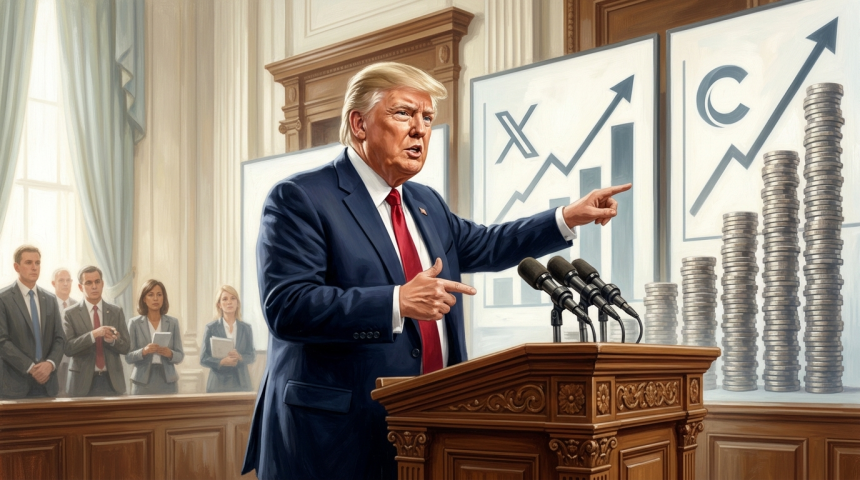
President Donald Trump has criticized Exxon Mobil and Chevron over soaring profits as oil prices climb during the war in Iran launched in February.
The rebuke places two major American oil producers at the center of a growing dispute over who benefits from wartime price shocks. Higher crude prices can lift producer earnings, while households and businesses face greater fuel costs.
Conflict Pushes Oil Prices Higher
Oil markets often react quickly to armed conflict involving Iran. The country is a major energy producer and sits near shipping routes used to move crude from the Persian Gulf.
Traders may raise prices when they see a risk to production, exports, or tanker traffic. Prices can increase even before supplies fall because buyers seek protection from possible shortages.
That effect can spread across the economy. Refiners pay more for crude, airlines face higher fuel bills, and drivers may see higher gasoline prices. Shipping and manufacturing costs can also rise.
The reported criticism from Trump reflects the political danger of that chain reaction. An administration directing a military campaign may face pressure if the conflict contributes to higher living costs at home.
Profit Growth Draws Political Scrutiny
Exxon Mobil and Chevron are among the largest publicly traded oil companies in the United States. Their earnings are closely tied to crude and natural gas prices, though refining margins and production levels also matter.
No specific profit figures, oil-price changes, or company responses accompanied the criticism. That limits direct comparisons between current results and earlier reporting periods.
Large profits do not always mean a company directly set higher market prices. Crude prices are shaped by global supply, demand, production decisions, sanctions, inventories, and geopolitical risk.
Still, elevated earnings can become politically sensitive when consumers are paying more. The central questions include:
- How much of the profit increase came from higher crude prices?
- Whether fuel costs rose in step with wholesale energy markets.
- How much companies invested in new production and refining capacity.
- Whether firms directed gains to shareholders through dividends or share purchases.
A Tension Between Policy and Markets
Trump’s criticism highlights a difficult policy conflict. Military action can add a risk premium to oil prices, yet political leaders often seek to distance themselves from the resulting costs.
Oil producers, meanwhile, operate in a cyclical industry. They may earn large sums during price spikes but suffer losses when demand falls or supply exceeds consumption. Companies often argue that strong periods help fund projects requiring years of investment.
Consumer advocates take a different view. They often call for closer review of pricing, taxes on unexpected gains, or measures that return revenue to households. Such proposals can provide short-term relief, but critics say they may discourage future investment.
What Comes Next
The impact will depend on the war’s duration, the security of regional oil shipments, and decisions by other producers. A disruption involving major export routes could keep prices high. Stable shipments or increased output elsewhere could ease pressure.
Future corporate earnings reports will offer clearer evidence about how Exxon Mobil and Chevron benefited from the price rise. Company spending plans and shareholder payments will also shape the political response.
For the administration, the issue links foreign policy with household finances. Trump’s rebuke may increase pressure on oil companies, but sustained price relief will depend mainly on supply, demand, and the course of the conflict.