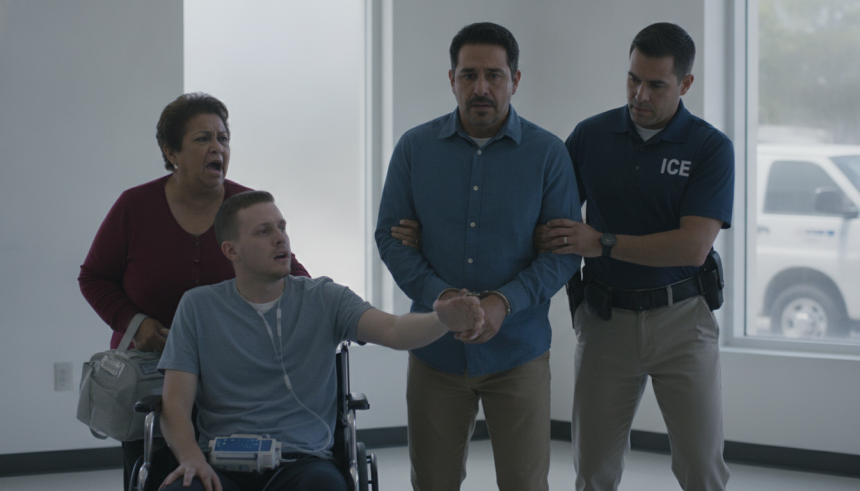
A family caregiver was detained during a routine check-in with U.S. Immigration and Customs Enforcement, raising fresh questions about how immigration enforcement intersects with urgent medical needs. The man, identified as José Gregorio González, had been caring for his brother after a kidney transplant. His detention has sparked concern among family advocates, attorneys, and medical providers who worry about the ripple effects on patient care.
“José Gregorio González, who’s been his brother’s caregiver since the kidney transplant, was detained during a routine ICE check-in.”
The incident occurred during a standard supervision appointment, a process that many immigrants with pending cases or orders of supervision must attend. The case centers on whether humanitarian factors, like a dependent transplant patient, receive enough weight in day-to-day enforcement decisions.
How Routine Check-Ins Work
ICE check-ins are regular appointments set for people who are not in custody but are still under supervision. They are meant to confirm addresses, work status, and legal updates. Some people are required to wear ankle monitors or use phone apps. Others only report in person at set intervals.
Advocates say these meetings can lead to sudden detention, even for those with no criminal record. Immigration officers have discretion to decide whether to continue supervision or take someone into custody. That judgment can turn on flight risk, public safety factors, and case history.
Medical Care and Family Dependence
González’s role as his brother’s caregiver adds urgency. Post-transplant patients often rely on strict medication schedules, infection monitoring, and frequent clinic visits. Caregivers help manage transport, translation, and daily support.
Doctors and social workers caution that a caregiver’s sudden absence can disrupt a patient’s recovery. It can increase hospital readmissions and strain limited resources. In many families, the caregiver also handles work and childcare, so the effect can reach far beyond the bedside.
- Transplant care requires steady access to medications.
- Missed follow-ups can trigger rejection risks.
- Caregivers often manage complex home routines.
Enforcement Discretion and Humanitarian Factors
Federal guidance over the past several years has encouraged agents to consider humanitarian issues, including medical hardship and family ties. Attorneys point to tools such as stays of removal, deferred action, and extended supervision as ways to keep families stable while cases proceed.
ICE, for its part, says it prioritizes cases based on public safety and compliance. The agency notes that decisions are made case by case. It maintains that supervision is a legal tool, and detention can follow if officers think it is necessary to ensure compliance with the law.
Civil rights groups argue that outcomes vary by field office. They call for clearer standards and better communication with medical providers. Without predictability, they say, families may skip appointments out of fear, which can complicate both immigration cases and medical care.
Legal Paths and Practical Options
Lawyers familiar with similar cases outline a short list of steps when a caregiver is detained. They advise filing a humanitarian request with medical evidence, asking for release under supervision, and seeking a stay of removal if removal is pending. Strong documentation from physicians can help show why a specific caregiver is essential.
Hospitals sometimes provide letters describing the patient’s needs and the caregiver’s role. Social workers can explain why alternatives are not feasible. Clear plans for housing, transportation, and follow-up care strengthen the case. These materials can support a request to return the person to supervised release.
What This Means for Families
For families like the Gonzálezes, the stakes are immediate. A transplant recovery can turn on routine, timing, and trust. When the person who keeps that routine is gone, small gaps can add up quickly.
Immigration advocates urge families to prepare packets in advance. That includes identification, medical summaries, medication lists, and letters from providers. Having documents ready for an attorney can save days when time matters most.
González’s detention highlights a larger tension. Immigration rules must be enforced, yet medical recovery often depends on steady family care. The next steps may hinge on whether officers consider documented hardship and offer release under supervision. Families, attorneys, and clinics will watch closely for signs that humanitarian factors carry real weight. For now, the key questions are simple: Will critical care be protected, and how quickly can a vital caregiver return home?