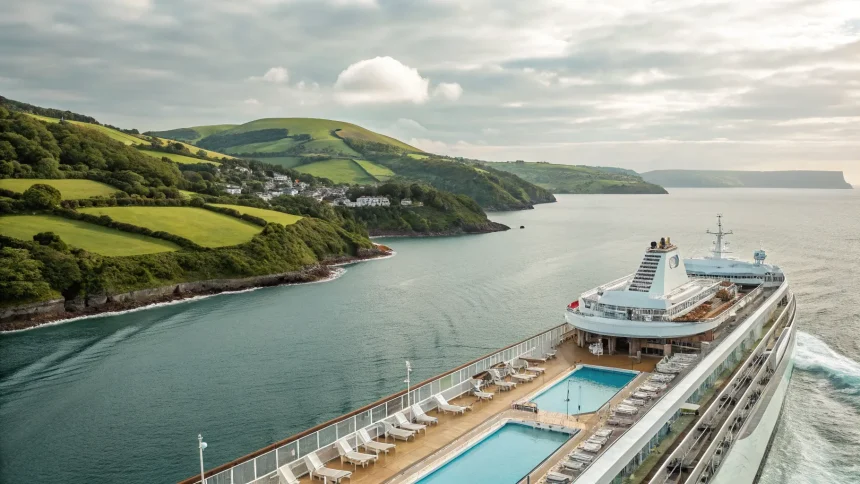
A specialty cruise built for people with celiac disease is slated for 2028, promising an entirely gluten-free voyage to England, Ireland, and Scotland with 11 onboard dining options. The company behind the trip, Celiac Cruise, says the sailing is designed to remove the daily stress of eating safely while traveling.
“Celiac Cruise will take passengers on an entirely gluten-free cruise in 2028 — sailing to England, Ireland and Scotland — with 11 dining options onboard.”
The announcement lands at a time when food safety and cross-contact concerns still complicate vacations for many travelers with medical diets. The cruise aims to offer a clear answer: everything served onboard will be gluten-free, from breakfast buffets to late-night snacks.
Why This Matters
Celiac disease is an autoimmune condition in which eating gluten damages the small intestine. Even tiny amounts can trigger symptoms and long-term harm. According to the Celiac Disease Foundation, about 1% of the population is affected, with many more living gluten-free due to non-celiac gluten sensitivity or wheat allergy.
Travel can be tricky for this group. Menus are often unclear. Kitchen protocols vary. A breadcrumb in a salad can ruin a day. For families, the burden multiplies when planning meals, activities, and emergency backups in unfamiliar places.
This cruise aims to remove that guesswork. The promise of dedicated kitchens and strict protocols appeals to anyone who spends vacations asking to see the chef, checking labels, and packing snacks “just in case.”
What The Sailing Promises
Celiac Cruise describes the trip as a worry-free experience for travelers with celiac disease and other dietary restrictions. While full details are expected closer to departure, the core pitch is clear: eat anywhere on the ship, at any meal, without fear of gluten.
- Itinerary: England, Ireland, Scotland
- Timing: 2028
- Food: 11 dining options, all gluten-free
- Audience: People with celiac disease and other medical diets
“The trip will offer a worry-free experience for travelers with celiac disease and other dietary restrictions.”
The multi-country route also taps into strong demand for U.K. and Ireland tourism, where history, music, and coastal scenery pair well with port days. If the promise holds in port, shore excursions could include vetted food options or guidance for safe dining off the ship.
The Bigger Picture For Travel
Specialty sailings have grown in recent years, offering everything from wellness themes to music festivals at sea. Food-focused trips tailored to allergies and medical diets are a newer slice of the market, but interest is rising as more travelers look for certainty about what they eat.
For the cruise industry, this model brings both opportunity and responsibility. 100% gluten-free service reduces the chance of cross-contact but demands strict sourcing, training, and oversight. It also invites scrutiny from a community that knows food safety down to the crumb.
Experts say consistent protocols are key. Clear signage, dedicated equipment, and verified suppliers build trust. Staff education matters as much as menu design. The 11 dining venues are a selling point; they also create more sites where safety must be maintained without fail.
Questions Still On Deck
As with any early announcement, travelers will want specifics. Pricing, cabin categories, medical support, and details on port-day dining are likely top of mind. Policies for additional allergens, such as dairy, soy, nuts, or shellfish, will also shape interest.
Accessibility, kids’ programs, and options for friends or family who do not eat gluten-free may also influence demand. The more the cruise can answer these questions upfront, the smoother bookings could go.
What To Watch Next
Watch for ship selection, chef partnerships, and third-party verification of gluten-free standards. Clear documentation and transparent sourcing will help reassure travelers who live by labels. If shore dining is included, look for curated restaurants that meet the same level of care as the ship.
If executed well, this sailing could serve as a template for safe travel across the industry, not just at sea. It could show that removing risk and friction is not niche—it is good business.
For now, the pitch is simple and strong: a trip where travelers with celiac disease can relax at the table, enjoy the route, and stop worrying about what is in the bread basket.