Even if traffic through the Strait of Hormuz resumes at full speed, households and businesses in Ivory Coast are unlikely to see quick relief from rising costs. The country has faced higher prices for fertilizer, food, and fuel in recent weeks, and a shift in one chokepoint will not unwind those pressures overnight.
A reopening of the Strait of Hormuz would do little to swiftly ease the pain inflicted by higher prices for fertilizer, food and fuel in Ivory Coast.
The warning reflects how global supply shocks pass through to West African markets. Oil and gas shipped from the Gulf affect fuel prices. Fertilizer costs track energy markets and freight rates. Food prices react to shipping delays and insurance. But the pass-through is slow and uneven, shaped by contracts, currency moves, and local policy.
Why Global Shipping Shocks Linger
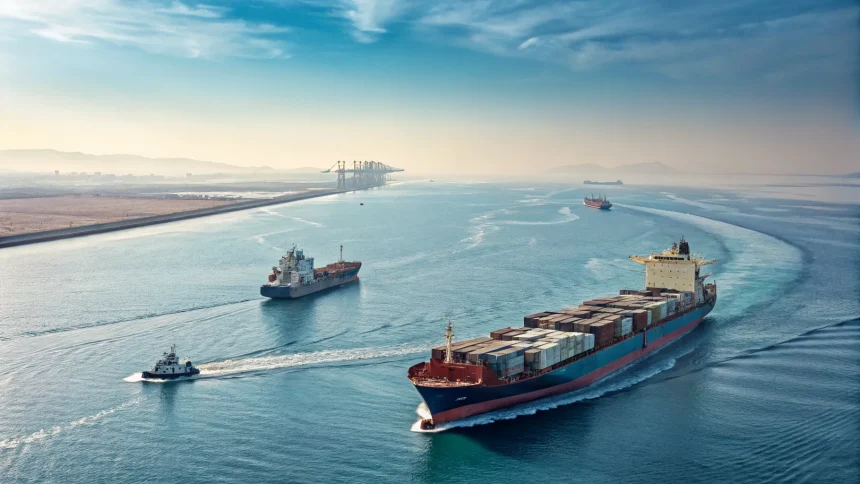
The Strait of Hormuz is a narrow channel linking the Gulf with global markets. When risk rises there, tankers face delays and higher insurance. Those added costs ripple through to refined fuel and fertilizer. But importing nations like Ivory Coast rarely feel a price drop as fast as they feel a spike.
Supply chains run on contracts signed weeks or months in advance. Traders hedge risk. Shipments are booked, financed, and insured at earlier rates. Even if the route clears, the pipeline of goods already priced at peak stress will keep landing for a while.
Refiners and fuel marketers also move cautiously when volatility fades. They rebuild stocks, check credit lines, and wait for signs that calmer conditions will last. That lag can stretch for several billing cycles, leaving pumps and wholesale markets slow to adjust.
Local Factors Amplify Imported Costs
Domestic conditions can make global shocks hit harder. The strength of the regional currency against the dollar matters because many commodities are priced in dollars. Any recent depreciation increases landed costs even if shipping risks ease.
Fertilizer is a particular pain point. It is energy intensive to produce and costly to ship. Farmers and cooperatives often buy ahead of planting seasons on credit. If those purchases locked in higher prices, a later easing at sea will not help current inventories.
Food prices reflect more than freight. Port fees, storage, and trucking charges add up. If congestion builds while shippers reroute or reschedule, those local costs can keep retail prices high. Fuel, meanwhile, flows through regulated channels, subsidies, and tax regimes that change slowly and sometimes blunt price declines.
- Contracts set earlier keep higher costs in place.
- Insurance and freight surcharges take time to unwind.
- Currency shifts can offset lower global prices.
- Port and trucking fees hold retail prices up.
- Subsidies and taxes delay pass-through at the pump.
What a Reopening Could Change—and When
A sustained reopening would still matter. It could lower insurance premiums for tankers, reduce detours, and bring more predictable delivery schedules. Over time, those gains feed into fuel imports and fertilizer shipments to West Africa.
But the timeline is measured in weeks and months, not days. Traders will want to see stable transit conditions. New tenders will need to reflect improved shipping terms. Distributors will work through higher-cost stock before cutting prices meaningfully.
Food importers may benefit next in line. If freight and insurance cool, grains and packaged goods could arrive cheaper on new contracts. Yet wholesale discounts will depend on storage capacity and the speed of customs clearance.
Signals to Watch
Several markers can show whether relief is getting closer for consumers and farmers in Ivory Coast.
- Freight and insurance quotes for Gulf-origin cargoes.
- Wholesale fuel prices in regional hubs.
- Fertilizer tender results for upcoming planting windows.
- Exchange rate moves that affect import costs.
- Local policy updates on taxes, subsidies, and price caps.
The path from a calmer Strait to cheaper goods on Ivorian shelves is not short. Prices were set higher across the chain, and those layers must unwind step by step. For now, businesses and households may need to budget for continued strain, even as shipping headlines improve.
Relief is still possible if steadier routes hold, fuel markets settle, and new contracts reflect lower risk. The key will be durable stability, not a single reopening. Watch the next round of import deals, policy moves, and currency shifts to gauge when costs might finally ease.