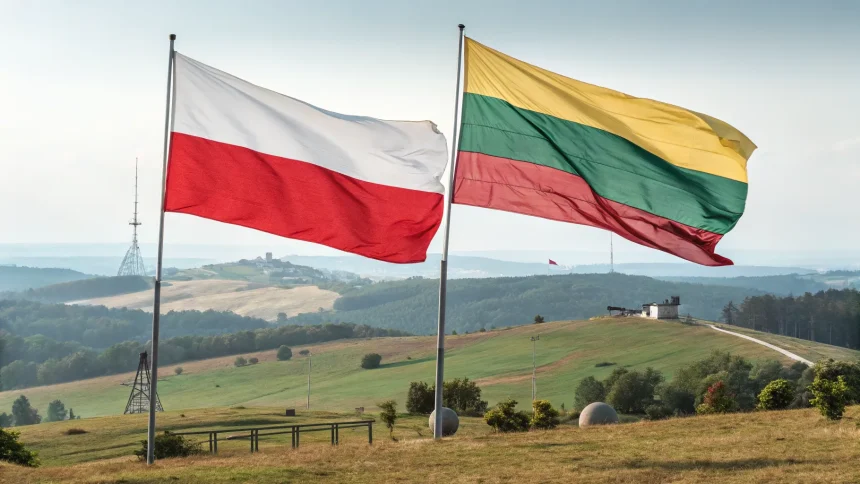
Poland and Lithuania said they are participating in talks on a possible role in NATO’s nuclear deterrence mission, adding fresh momentum to debate over nuclear sharing in Eastern Europe. The discussions, confirmed this week by officials in both countries, center on the U.S.-led nuclear posture in Europe and come amid heightened tensions with Russia.
While no decisions have been announced, Warsaw and Vilnius framed the talks as part of NATO planning and consultation. The core mission uses U.S. nuclear weapons stationed in Europe, with allies contributing aircraft, bases, and support to demonstrate alliance resolve.
Why This Matters Now
The statements arrive as the war in Ukraine grinds on and military signaling grows sharper. Russia says it has moved tactical nuclear weapons to Belarus, which borders both Lithuania and Poland. Baltic and Central European governments have pressed for stronger deterrence since 2022, arguing that clear commitments reduce the risk of miscalculation.
NATO’s nuclear policy rests on three pillars: U.S., U.K., and French strategic forces; U.S. non-strategic weapons in Europe; and allied aircraft and infrastructure that support the mission. The alliance holds annual nuclear drills—known as Steadfast Noon—to keep crews trained and to test procedures.
How NATO Nuclear Sharing Works
Several allies already take part in nuclear sharing by hosting U.S. B61 gravity bombs and keeping dual-capable aircraft ready for use if NATO’s political leaders ever authorize it. Germany, Italy, Belgium, the Netherlands, and Turkey are widely understood to host these weapons under U.S. control in peacetime.
Participation can take many forms short of hosting warheads. Countries contribute by upgrading airfields, training crews, joining planning groups, and providing logistical or air defense support during exercises.
- Hosting: Storing U.S. weapons on national bases under U.S. custody.
- Delivery roles: Keeping certified aircraft and trained crews.
- Support roles: Air policing, refueling, escort, and base security.
- Planning: Joining NATO nuclear consultation bodies and exercises.
What Warsaw and Vilnius Could Do
Officials in both capitals described their involvement as “participating in discussions,” signaling interest while leaving room for options. Poland has spent heavily on defense, buying F-35 jets that could, in time, be adapted for nuclear roles if allies agree. Lithuania, a smaller state without dual-capable aircraft, could expand planning and support functions tied to regional bases and airspace management.
Neither government has said it will host nuclear weapons. Hosting would require political agreements, infrastructure changes, and U.S. approval. It would also invite scrutiny at home and abroad.
Reactions and Risks
Moscow has long criticized NATO nuclear sharing, while NATO defends it as legal and defensive. Any move to expand participation in Eastern Europe would draw sharp statements from Russia and could spur countermeasures, such as more deployments in Kaliningrad or Belarus.
Supporters argue that broader participation spreads the burden and strengthens deterrence by showing allied unity. Skeptics warn about escalation and the costs of upgrades to meet certification standards. Both sides agree that any changes should be coordinated through NATO’s established procedures.
Trends to Watch
Analysts point to several developments that will shape the debate:
- Modernization: The B61-12 program and new dual-capable aircraft will affect who can take delivery roles.
- Regional basing: Investments in runways, hardened shelters, and air defenses signal readiness, even without hosting warheads.
- Exercise tempo: Expanded drills could bring more allies into planning and support functions.
- Russian posture: Activity in Belarus and Kaliningrad will influence political appetite in Warsaw and Vilnius.
What Comes Next
The talks now underway are expected to move through NATO’s nuclear planning channels, where allies weigh readiness, costs, and political risk. Any step beyond consultation—such as training for delivery roles or infrastructure upgrades—would likely be announced in phases.
The confirmation from Poland and Lithuania marks a clear interest in deeper involvement but stops short of a policy shift. The outcome will depend on alliance consensus, domestic debates, and Russia’s actions near NATO’s eastern flank.
For now, the signal is cautious: both countries want a seat at the table as NATO updates its deterrence posture. Watch for language in upcoming NATO communiqués, new funding for airfield improvements, and changes to exercise participation as early indicators of where the talks are headed.