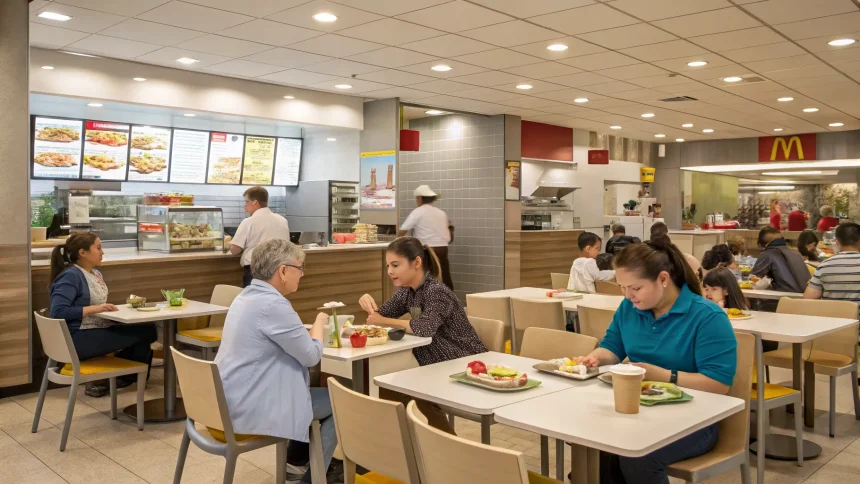
McDonald’s is rolling out a new growth plan as diners pull back, squeezed by higher prices at the pump and in the grocery aisle. The fast-food giant is seeking to hold on to visits in a tighter market while keeping franchise owners profitable. The shift comes as restaurant chains fight for value-minded customers across the United States and in key international markets.
“McDonald’s new growth plan comes as inflation and high gas prices mean restaurants are competing for a smaller pool of customers.”
The company is responding to a slowdown in discretionary spending and uneven traffic since inflation surged. The move signals that value, convenience, and digital loyalty are set to define the next phase for the Golden Arches.
Why Value Is Back at the Center
Rising costs have pushed some diners to cook at home and limit drive-thru trips. That strains the affordable end of the market, where small price changes can sway traffic. McDonald’s has often answered these periods with bundled deals, limited-time offers, and price points that are easy to understand.
Expect renewed focus on entry price items, combo promotions, and regional pricing tests. The company has long used local flexibility to match neighborhood incomes and compete with nearby rivals. That playbook tends to reduce sticker shock while keeping average checks from falling too far.
Pressure on Franchise Margins
Franchisees face higher food, packaging, and labor costs. Fuel prices also raise distribution and delivery expenses. While corporate strategy leans into value, store owners must protect margins without driving away guests.
Operators may trim menu complexity, adjust staffing around peak hours, and enlarge high-margin add-ons like beverages. Smaller kitchen upgrades that speed service can lift throughput and soften the hit from discounts.
Competition for Price-Sensitive Diners
Quick-service rivals are also sharpening offers. Burger chains, chicken concepts, and convenience stores are courting the same budget-conscious shoppers. The race often comes down to a clear price message, consistent speed, and app-based rewards.
- Simple, tiered deals tend to outperform scattered discounts.
- Daypart value (breakfast or late-night) can capture niche demand.
- Loyalty points add perceived savings without broad price cuts.
McDonald’s will likely pair national campaigns with local tweaks to meet competitive heat in each trade area.
Digital, Delivery, and Store Format Shifts
Digital orders and loyalty programs have grown since the pandemic. They offer a lower-cost way to reach customers with targeted deals. App users often reorder favorites, lifting frequency with limited advertising spend.
Delivery remains a mixed picture. It raises access but takes a cut from fees and requires packaging that travels well. Pick-up shelves, dual-lane drive-thrus, and smaller dining rooms are becoming more common. These formats trim labor needs and reduce wait times for mobile orders.
Inflation’s Lingering Effects
Even as inflation cools from recent peaks, households still feel higher baseline prices. Gas spikes can quickly show up in weekend traffic. Families may plan fewer out-of-home meals or split larger items. That makes predictability and trust in price a key edge.
Historically, McDonald’s has weathered slowdowns better than full-service competitors. The chain’s scale helps it negotiate supplies and keep marketing loud. But holding share requires careful balance: protect value while avoiding deep discount cycles that erode profits.
What Analysts Will Watch
Investors and operators will track several markers in the months ahead:
- Traffic versus average check: Are value deals lifting visits without shrinking receipts?
- Loyalty engagement: Do targeted offers bring back lapsed guests?
- Franchise health: Are store-level margins steady despite cost pressure?
- Menu strategy: Are bundled items and add-ons driving mix improvement?
The company’s next phase hinges on clear value, faster service, and smarter digital targeting. With inflation and gas prices straining wallets, the dining-out pie is smaller. McDonald’s bet is that sharper pricing, operational speed, and loyalty perks can keep its slice from shrinking. If traffic stabilizes and franchise margins hold, the plan could set the tone for the wider industry. If not, the discount wars will deepen, and chains will need even leaner models to compete.