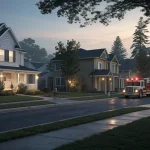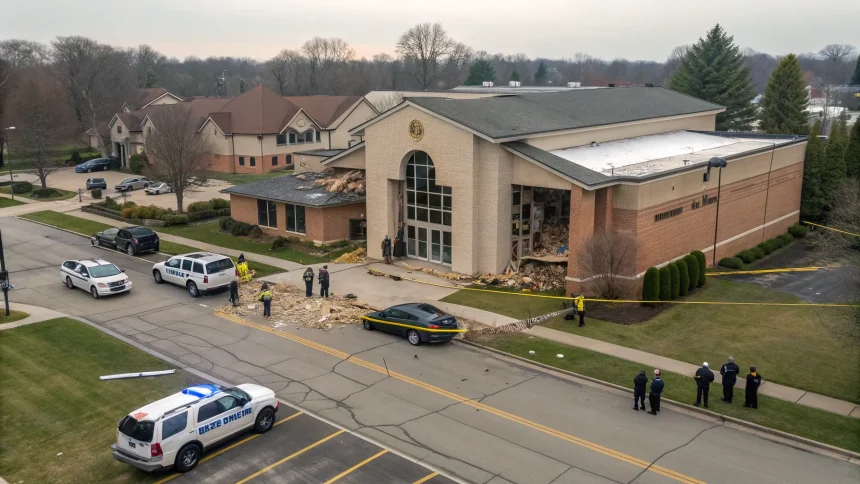
A truck slammed into a synagogue in West Bloomfield Township, Michigan, prompting a swift response from police and stirring anxiety across a tight-knit community. The incident, described by a local business owner and eyewitness during a national broadcast, unfolded in a suburban area with a large Jewish population and strong interfaith ties. Authorities are investigating the motive and assessing damage, while residents look for answers and reassurance.
What Happened
Details remain limited while officials review surveillance video and interview witnesses. Early accounts describe a vehicle hitting the synagogue building, triggering calls to 911 and a rapid law enforcement presence. There were no immediate reports of mass injuries, but the shock rippled quickly through neighborhoods and local businesses.
Eyewitness and business owner Jamie Vaughn discusses a truck ramming into a Michigan synagogue and the current situation in West Bloomfield Township on “The Will Cain Show.”
Vaughn’s account highlighted confusion at the scene and a rush to check on people nearby. The immediate concern, residents said, was whether anyone inside or around the building was harmed and whether the driver acted intentionally.
Witness Perspectives And Local Response
People who arrived within minutes described sirens, blocked roads, and officers directing traffic. Some residents stood back from the area, while others tried to reach friends and clergy by text. Businesses nearby temporarily closed entrances as police established a perimeter.
Faith leaders in the area urged calm and cooperation with investigators. Security volunteers at other synagogues and schools checked doors and cameras. Parents juggled school pickups and afternoon routines while monitoring official updates.
Law Enforcement And Security Measures
Police are expected to examine intent, possible impairment, and any link to bias. That process usually includes reviewing crash dynamics, interviewing the driver if possible, and coordinating with state or federal partners if a hate crime is suspected.
Synagogues across the country have tightened security in recent years. Many use cameras, access controls, and trained volunteers. The federal Nonprofit Security Grant Program has helped houses of worship harden sites and improve training. Local departments often conduct walk-throughs and advise on safety plans before major holidays.
Context: Rising Concern Over Attacks On Worship Sites
Jewish institutions have faced heightened threats. The Anti-Defamation League reported a record number of antisemitic incidents in 2023, the highest since it began tracking. Incidents include vandalism, harassment, and violence. Though motives in single events vary, each new case revives concerns about community safety.
Michigan communities have worked on interfaith efforts and emergency planning after prior national incidents. West Bloomfield Township, home to diverse congregations, has emphasized coordination between religious leaders and police. That approach helps speed communication and reduce confusion when emergencies hit.
What We Know, What We Don’t
- Police are investigating the driver’s actions and motive.
- No confirmed mass injuries were reported at the time of the initial response.
- Synagogues and nearby institutions increased vigilance as a precaution.
- Officials plan to release more information once facts are verified.
What Comes Next
Authorities will likely share updates on charges, damage assessments, and any security recommendations for local congregations. Insurance and building inspections will determine how soon the synagogue can resume normal operations. Community groups are preparing support for congregants, including counseling and prayer gatherings.
For residents, the episode is a stress test of readiness. It highlights the value of alert witnesses, clear police communication, and practical security steps that do not isolate congregations from neighbors. As one local leader put it in recent forums, safety planning works best when everyone knows the plan.
The latest development is a community on edge but not paralyzed. People want facts, accountability, and a path back to routine worship. Watch for official briefings on motive, as those findings will shape the legal response and the public conversation. In the meantime, the area’s calm cooperation may be its strongest asset.