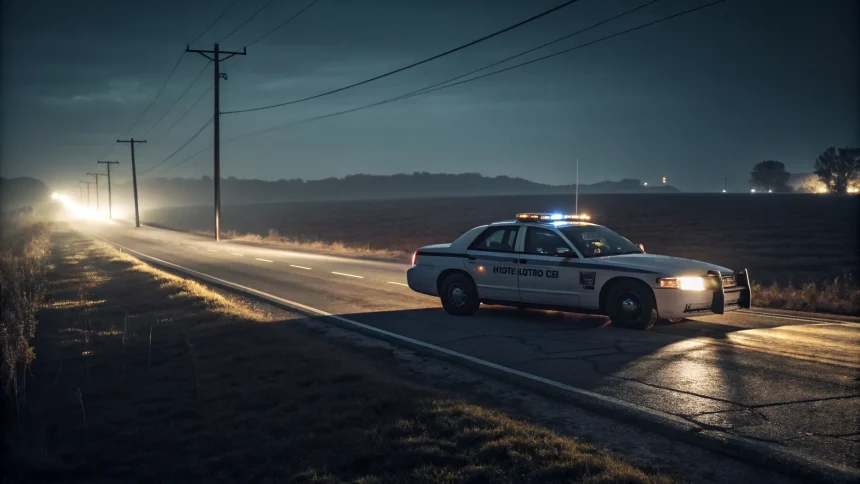
A state police trooper was shot and killed during a Sunday night traffic stop, a fatal encounter that again spotlights the dangers of routine enforcement and the split-second choices officers and drivers face on the roadside.
Authorities said the trooper pulled over a vehicle when the driver opened fire, killing the officer. Officials have not released the trooper’s name, details about the suspect, or a possible motive. The incident occurred Sunday night. Investigators are still piecing together what led to the shooting.
What Authorities Have Confirmed
“The state police trooper was shot and killed by a suspect he pulled over in a traffic stop Sunday night,” authorities said.
Officials said additional information will be released after the trooper’s family is notified and initial investigative steps are complete. No timeline was provided.
A Dangerous Part of the Job
Traffic enforcement is often described by police trainers as both routine and unpredictable. Most stops end without incident. A small number turn violent with little warning.
Federal data has long identified roadside encounters as high-risk for officers. Darkness, passing traffic, and limited visibility reduce reaction time and increase confusion. Drivers may be stressed or impaired. Officers must quickly assess whether a stop is about a broken taillight or something worse.
Law enforcement analysts say these conditions magnify risk on both sides of the driver’s window. Even well-practiced procedures can falter in the dark on a narrow shoulder.
What Comes Next in the Investigation
Detectives will examine dash and body camera footage if available. They will collect shell casings, map bullet trajectories, and review radio logs. The vehicle and the stop location will be processed for evidence.
Prosecutors will monitor each step to preserve a possible criminal case. If a suspect is identified, investigators will seek warrants, phone records, and any prior police interactions tied to the vehicle or driver.
Autopsy results will help establish the timeline and mechanics of the shooting. Those medical findings are routine but critical pieces of the case.
Policy Questions Likely to Follow
After deadly roadside shootings, agencies often revisit training, equipment, and tactics. The debate is not new, but each case adds urgency.
- Officer positioning and approach on the passenger side to reduce exposure
- Use of overhead lighting and flares to control the scene
- Enhanced communication protocols during high-risk stops
- Expanded deployment of body and dash cameras
Some departments also weigh limiting stops for minor violations, especially at night. Supporters argue it reduces confrontations over low-level issues. Critics warn it may weaken traffic safety enforcement.
Community Impact and Response
News of a trooper killed on duty ripples through patrol rooms and living rooms alike. Fellow officers brace for a difficult shift, while the public looks for answers about what happened and why.
Police groups often call for patience as facts develop and for support for the trooper’s family. Civil rights advocates typically renew calls for clear policies, de-escalation, and transparency in release of video.
Both perspectives point to a shared goal: fewer violent encounters on the roadside. The path to that goal remains the subject of intense debate.
Roadside Safety, Revisited
Experts say better visibility, clearer communication, and technology can lower risk. Simple steps, like officers approaching on the side away from traffic, can help. So can driver education on what to do when pulled over.
Technology is part of the conversation. License plate readers and e-citations can shorten stops. Remote processing of minor violations could further reduce face-to-face encounters. Any changes, though, come with cost, privacy, and legal questions.
Authorities have promised updates as they confirm key details and notify next of kin. For now, a trooper’s death underscores the stakes of even a single stop. The investigation will show what unfolded Sunday night. The wider challenge is unchanged: making roadside encounters safer for officers and drivers, and doing it without losing sight of accountability, clarity, and trust. Observers will watch for policy reviews, the release of video, and any moves to adjust how and why traffic stops occur at night.