A narrow waterway between Iran and Oman still holds the world’s energy market by the throat. Each day, about 20 million barrels of oil pass through the Strait of Hormuz, equal to roughly 20% of global petroleum liquids consumption. That single choke point makes shipping lanes in the Gulf one of the most closely watched pressure gauges in geopolitics and finance.
The strait’s tight geography, busy traffic, and frequent flare-ups in regional tensions mean any disruption can ripple through fuel prices from Singapore to Houston. Traders track it minute by minute. Navies do, too.
Why the Strait Matters
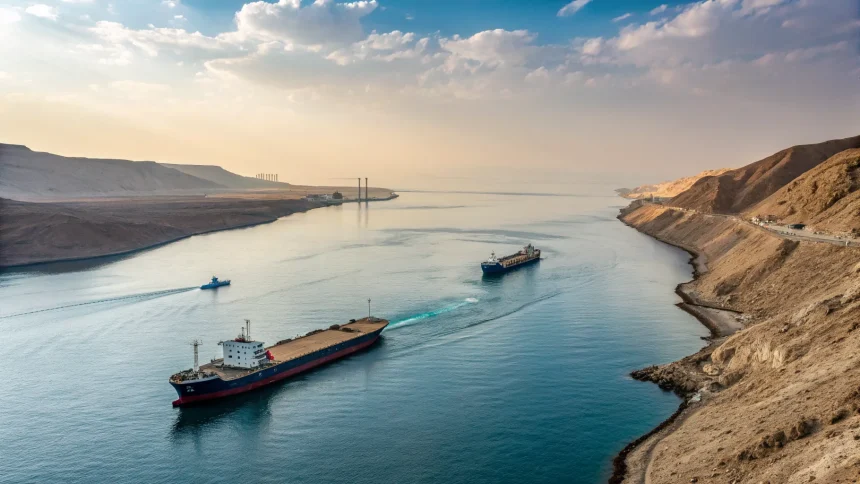
The Strait of Hormuz connects the Persian Gulf to the Arabian Sea and the wider world. It is only about 21 miles wide at its narrowest point, with inbound and outbound lanes squeezed into a high-stakes maritime funnel. For producers in Saudi Arabia, Iraq, the United Arab Emirates, Kuwait, and Qatar, it is the main gate to export markets.
Analysts often frame the risk in simple terms. If the strait slows, the world pays. As one briefing put it:
About 20 million barrels of oil a day flow through the Strait of Hormuz, or the equivalent of 20% of global petroleum liquids consumption.
According to data from the U.S. Energy Information Administration, the share has hovered around that level in recent years, making it the single most important oil transit route on the planet.
Historic Flashpoints and Patterns
Tension around the strait is not new. During the 1980s “Tanker War,” shipping came under fire as the Iran-Iraq conflict spilled into the Gulf. In 2019, a spate of tanker incidents and seizures rekindled fears of a wider confrontation, prompting increased naval patrols by the United States and its allies. Periodic threats to close the strait surface when regional disputes escalate, even though a complete shutdown would be hard and risky.
Producers have tried to cut exposure. Saudi Arabia and the UAE built pipelines to the Red Sea and Gulf of Oman, offering partial alternatives. Yet pipeline capacity cannot fully replace the sea route. Most barrels still rely on Hormuz.
Market Impact and Energy Security
Oil markets price in the strait’s risk like a standing storm warning. Even rumors of trouble can lift Brent and West Texas Intermediate futures. Insurance premiums for tankers can jump, and charter rates often follow. Refiners then face higher input costs, which can filter down to drivers within weeks.
Energy security planners game out several scenarios:
- Short delays from inspections or patrols, raising freight and insurance costs.
- Targeted incidents that reduce flows and lift benchmark prices.
- Sustained disruption that forces stock draws and government interventions.
Strategic petroleum reserves in the United States, Europe, and parts of Asia are one buffer. They can smooth temporary shortages but cannot replace months of lost exports. Asian importers, especially in China, Japan, South Korea, and India, would feel pressure first. Many rely heavily on Gulf crude and LNG shipped through Hormuz.
Diplomacy, Deterrence, and Detours
Maritime security in the Gulf runs on a mix of deterrence and negotiation. The U.S. Fifth Fleet, based in Bahrain, regularly escorts or shadows commercial traffic. European and regional partners add patrols during tense periods. Quiet back-channel talks often work in tandem with visible naval presence to keep incidents from spiraling.
Meanwhile, shippers and traders use practical hedges. They diversify cargoes and suppliers, carry more fuel onboard to reduce refueling stops, and adjust routes and schedules to avoid flashpoints. Some refineries blend more non-Gulf grades when prices spike.
What to Watch Next
Three signals often telegraph trouble or relief for Hormuz:
- Changes in naval deployments and public statements from regional powers.
- Insurance market moves, especially war risk premiums for tankers.
- Producer behavior, including stock builds and pipeline throughput outside the strait.
Longer term, more capacity on routes that bypass Hormuz, expanded storage near major consuming hubs, and flexible LNG contracts could trim exposure. Still, no workaround fully matches the strait’s scale. Its importance rests on simple math: high volume in a tight space.
The bottom line is clear. The Strait of Hormuz remains the oil market’s pressure point, where local sparks can ignite global price moves. Expect traders to keep one eye on the price screen and the other on that narrow blue channel. If flows stay steady, the market breathes easier. If they slow, everyone will notice—fast.