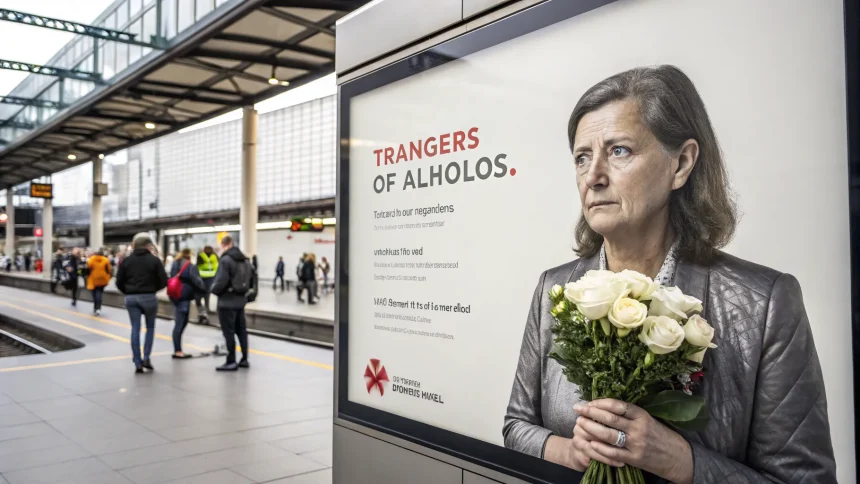
A mother’s public campaign to warn travelers about tainted alcohol has gained urgency after the death of her daughter, Kirsty McKie, from methanol poisoning while drinking abroad.
McKie died after unknowingly consuming contaminated alcohol, according to her family. Since then, her mother has pushed for better awareness, clearer guidance for tourists, and stronger checks on bars and suppliers in holiday destinations.
The case highlights a quiet risk that surfaces during peak travel seasons. It raises hard questions for regulators, resorts, and travelers about how drinks are sourced, labeled, and inspected.
What Happened And A Mother’s Mission
“After Kirsty McKie unknowingly consuming contaminated alcohol and died from the complications of methanol poisoning, her mom has been working to raise awareness of the dangers of drinking abroad.”
The family’s message is simple and blunt. Contaminated spirits can look and taste normal. Yet a few drinks can turn deadly within hours.
Her mother’s efforts echo calls from health agencies for stronger public warnings. Travel forums, consular notices, and poison control groups have long flagged counterfeit or adulterated spirits as a recurring hazard in some tourist zones.
How Methanol Slips Into The Glass
Methanol is an industrial alcohol used in fuels and solvents. It is not safe to drink. When it appears in beverages, it is often the result of illegal distilling, poor quality control, or deliberate tampering to cut costs.
Medical experts warn that even small amounts can cause blindness, organ failure, and death. Symptoms can start with headache, nausea, and dizziness. Vision problems and rapid breathing may follow, sometimes after a short delay.
Global health bodies, including the World Health Organization, have documented periodic outbreaks linked to tainted alcohol in various countries. These incidents tend to spike around holidays and major events when demand rises and oversight can slip.
Travel Industry On Alert
Responsible bars and hotels say they are taking steps. Many now source sealed bottles from verified distributors, keep tighter inventory logs, and train staff to spot off-smells or unusual packaging.
Consumer groups argue those efforts are uneven. They want clearer labeling, surprise inspections, and public reporting when seizures occur. Families like McKie’s also want travel advisories that spell out risks in plain language, not buried in fine print.
Public health officials add a key point. Rapid treatment saves lives. That means frontline workers in tourist hubs, from hotel managers to clinic staff, need protocols to act fast when symptoms appear.
What Travelers Can Do Right Now
Experts suggest a few practical steps to cut risk while abroad. They stress these tips cannot remove danger, but they help.
- Choose sealed, branded bottles opened in front of you.
- Avoid drinks mixed from unmarked containers or dispensers.
- Be cautious with very cheap “house” spirits or surprise shots.
- If a drink smells like solvent or tastes off, stop immediately.
- Know symptoms: headache, vomiting, blurred vision, and rapid breathing.
- Seek urgent medical care if symptoms arise after drinking.
- Keep records: bar name, receipts, photos of bottles or labels.
The Policy Gap
Travel corridors bounce back quickly, but oversight often lags. Enforcement is tough across fragmented supply chains and small venues. Illicit producers move fast and work in the shadows.
Advocates push for three fixes. First, better traceability from importer to bar shelf. Second, swift public alerts when counterfeit batches are found. Third, basic testing capacity in hotspots where reports surge.
Tourism officials warn against broad brush blame. Most venues follow the rules. Still, the stakes are high. A single bad bottle can shatter trust across a whole destination.
What To Watch Next
McKie’s mother plans to keep pressing for clearer warnings and safer practices. Health agencies are reviewing guidance for travelers and local authorities. Governments are weighing tougher penalties for adulterated alcohol.
The path forward is practical, not glamorous: tighter sourcing, faster alerts, and simple, clear advice. For travelers, the takeaway is direct. Know what is in your glass, and act fast if something feels wrong.
Her family’s message lands with force. Awareness is not a cure, but it buys time—often the difference between a scare and a tragedy.