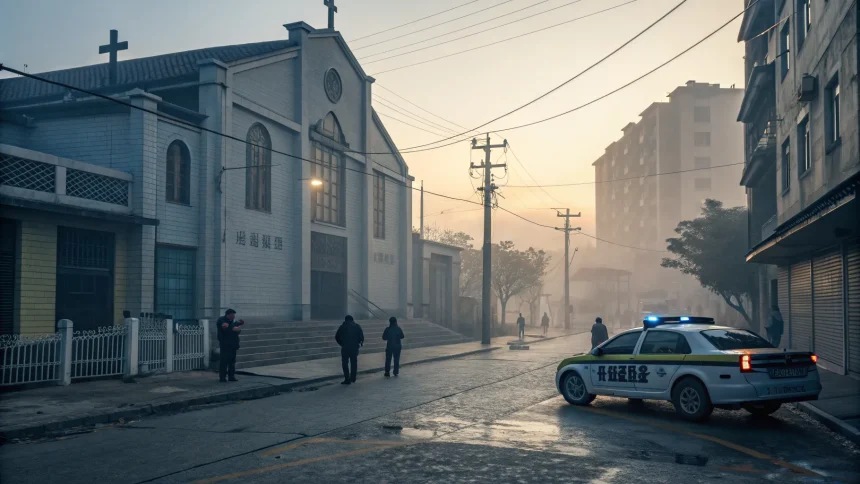
Chinese police detained dozens of pastors from one of the country’s largest underground churches over the weekend, in what church representatives called the biggest action against Christians since 2018. A church spokesperson and relatives said the sweep came without public notice, leaving families uncertain about where their loved ones were taken or when they might be released.
The detentions add new strain to a long-running standoff between officials who enforce rules on registered religious activity and Christians who gather outside state-sanctioned churches. The timing and scale have raised concern among congregants and rights advocates who track religious freedom in China.
Detentions Signal Renewed Pressure
Those familiar with the case said police moved over the weekend and took “dozens” of pastors into custody. Relatives reported disrupted services and unanswered calls as church leaders disappeared from view. The specific locations of the arrests and the legal basis for the detentions were not immediately clear.
Police in China detained dozens of pastors of one of its largest underground churches over the weekend, a church spokesperson and relatives said, in the biggest crackdown on Christians since 2018.
Family members described a rapid sweep. Some found out through messages that stopped mid-conversation. Others arrived at meeting places to find doors locked and plainclothes officers nearby, according to people close to the congregations.
Longstanding Tension Over Unregistered Worship
China recognizes only state-registered Protestant and Catholic bodies. Many believers attend house churches that operate outside those systems, often meeting in homes or rented spaces. Officials say registration is required to keep gatherings legal. House church members say registration can bring control over doctrine and leadership.
In recent years, local authorities have increased inspections of venues, tightened rules on religious education for minors, and pressed landlords to end leases with unregistered groups. Past incidents have included raids on prayer meetings and the removal of crosses from buildings.
The current detentions echo earlier high-profile actions several years ago, when pastors and elders from large house congregations were taken away and some later faced criminal charges. Those cases drew international attention and prompted calls for the release of church leaders.
Legal and Human Rights Concerns
China’s constitution provides for freedom of religious belief, but practice is limited to approved sites and organizations. Unregistered activity is often treated as an administrative or criminal matter under public order and assembly rules. Lawyers who take on religious cases say detainees can face long periods of incommunicado questioning before any formal charges appear.
Human rights groups have documented patterns that include brief detentions timed to prevent Sunday services, as well as longer arrests that lead to prosecutions tied to “illegal business activity” or “picking quarrels,” depending on how churches operate. It was not clear which statutes, if any, were invoked in the weekend sweep.
Impact On Congregations And Communities
Church members said families are now organizing child care, mutual aid, and prayer networks to support those affected. Small groups are meeting quietly or moving online, though digital monitoring can carry its own risks. Some congregations have previously split into smaller units to reduce visibility, which can strain leadership and community ties.
Pastors play central roles in counseling, charity drives, and community mediation. Their sudden absence can disrupt weekly routines and services that many rely on for support. Relatives also worry about access to legal counsel and medications for detainees with health needs.
What To Watch Next
Observers are tracking whether local authorities issue formal notices of detention, allow lawyer access, or announce charges. They are also watching if other cities conduct parallel actions or if this remains a single, concentrated sweep.
- Will authorities confirm the number of detainees and their locations?
- Do any cases move from administrative detention to criminal charges?
- Are church venues shut, leases canceled, or equipment seized?
- How do families and congregations adjust their worship plans?
Diplomatic reactions and statements from international groups may follow if the detentions continue or expand. For now, families await word from police and look for legal pathways to secure visits or releases.
The weekend detentions mark a sharp test for unregistered congregations and signal a hardening approach to church leadership. The next steps—formal charges, quiet releases, or more raids—will shape how Christians in China worship in the near term and how openly they organize in the months ahead.