Russian drones and missiles are hitting Ukraine’s power system again, forcing rolling blackouts as temperatures drop and families brace for colder nights. Local officials report repeated waves of long-range attacks across several regions, with repair crews racing to restore electricity and heat. The strikes have revived fears of a harsh winter for civilians and strained energy workers who are working around the clock.
A Campaign Targeting the Grid
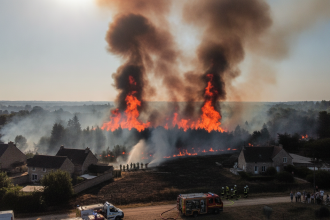
Ukraine’s energy network has been a frequent target since the full-scale invasion began in 2022. Recent barrages appear aimed at substations, thermal plants, and transmission lines. The goal is simple: reduce power, disrupt daily life, and test public resolve. Air defenses have intercepted many projectiles, but even limited damage can cascade through the grid.
“Millions of Ukrainians have been plunged into periodic darkness and cold as Russian drones and missiles wage a systematic long-range campaign.”
Engineers say each strike can take out key equipment that is hard to replace. Many parts must be sourced from abroad and require time-consuming installation. The result is a cycle of attack, repair, and renewed attack.
Human Cost and Daily Disruption
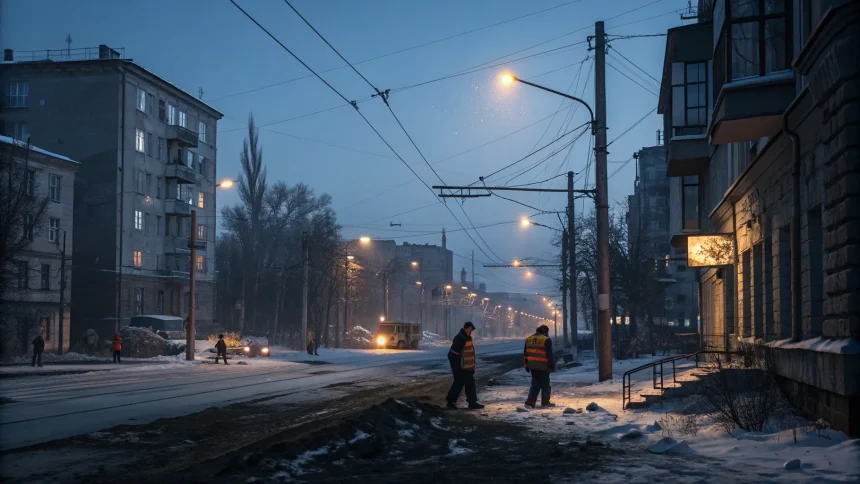
Blackouts ripple through daily routines. Apartment blocks lose heat and hot water. Shops and clinics run on generators or close early. Parents plan around outage schedules, charging devices and boiling water before power cuts return. Trains and trams face delays when traction power drops.
Hospitals and water utilities rely on backup systems to keep critical services running. City authorities urge residents to reduce consumption during peak hours, and to avoid using elevators when outages are likely. The pressure on schools and small businesses is growing.
Response on the Ground
Energy workers move from site to site to patch lines, swap transformers, and reroute power. Grid operators publish schedules to spread the pain and protect fragile equipment. Local leaders ask for more air defense systems and spare parts to speed repairs.
Officials describe a “repair race” that begins the moment an attack ends. They caution that even quick fixes may only partly restore supply. Long-term stability requires new equipment, better protection for energy sites, and more distributed sources like small-scale generation.
Why the Energy War Matters
Striking power infrastructure hits homes, hospitals, and water systems at once. It also complicates industry and farming at a time when Ukraine needs export revenue. Military analysts say the tactic aims to sap morale and force costly defenses far from the front line.
- Rolling blackouts to avoid grid collapse.
- Heating and hot water interruptions in many cities.
- Internet and mobile outages during long cuts.
- Strain on hospitals, water pumps, and transport.
Humanitarian groups warn that elderly residents and people with disabilities face the greatest risk during long cuts. They call for safe heating centers, fuel, and medical supplies to help those who cannot evacuate or relocate.
International Help and Legal Debate
Ukraine’s allies have supplied air defense systems, mobile generators, and grid equipment. More aid is under discussion as winter advances. Legal experts debate the status of power sites under wartime rules, given their central role in civilian life. Rights groups argue that repeated strikes causing widespread hardship should be investigated.
Regional neighbors are also watching. Energy instability can spill over borders, affecting markets and humanitarian flows. Donors say transparent repair plans and strong oversight will help keep support coming.
The Road Ahead
Ukraine is working to harden sites, add redundancy, and spread generation across more locations. This includes moving equipment underground where possible and shielding key nodes. But these steps take time and money, and the threat persists.
Analysts expect more waves of attacks as the weather grows colder. The pace of repairs and the flow of spare parts will shape how severe blackouts become. If air defenses improve and repairs hold, outages could shorten. If strike intensity rises, the grid may face longer cuts and wider areas of darkness.
The coming weeks will test the system and the people who keep it running. For now, the immediate task is clear: protect what can be protected, fix what can be fixed, and keep homes warm as winter sets in.