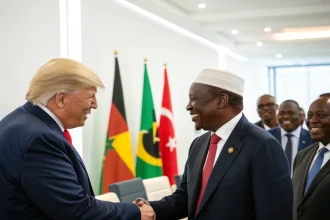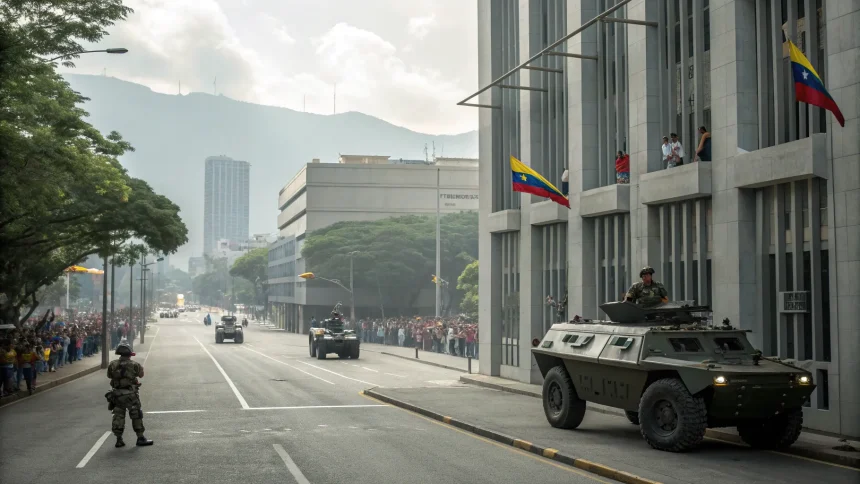
A month after the ouster of Nicolás Maduro, Venezuela’s new interim leadership is struggling to meet U.S. conditions for relief while calming Chavista hardliners at home. The caretaker government, operating in Caracas under tight security and intense scrutiny, is weighing steps on political prisoners, election timelines, and control of the oil sector. The stakes are high as the country seeks a fragile path out of crisis.
“A month after Maduro’s ousting, Venezuela’s interim leader walks a tightrope between U.S. demands and Chavista hardliners expectations.”
Background: A Country in Prolonged Crisis
Venezuela has wrestled with economic collapse and political turmoil for nearly a decade. After Hugo Chávez’s death in 2013, Maduro took power and faced falling oil prices, corruption scandals, and a shrinking economy. Hyperinflation, fuel shortages, and mass migration followed. More than six million Venezuelans left the country in recent years, straining neighbors like Colombia and Brazil.
The United States and European partners imposed sanctions on officials and state entities, citing human rights abuses and disputed elections. Washington tied any sanctions relief to a negotiated path back to competitive elections, the release of detainees, and respect for the National Assembly’s authority. Those conditions continue to shape the interim government’s options.
Competing Demands at Home and Abroad
U.S. officials are pressing for a clear election calendar, restoration of banned opposition figures, and access for international observers. Energy companies are also watching for clarity on contracts and payments with the state oil firm, PDVSA, to plan investments if licenses are broadened.
At the same time, hardline Chavista figures, who still command influence in state institutions, expect safeguards. They want guarantees on legal immunity for former officials, protection for the military’s role, and limits on privatization of strategic assets. They also oppose sweeping purges in ministries and communal councils that served as the movement’s base.
- External pressure: Elections, detainee releases, and credible monitoring.
- Internal pressure: Security guarantees and control over state industries.
Key Steps Under Debate
The interim team is considering a phased approach. The first phase would focus on humanitarian relief and civil liberties. Modest steps could include easing media restrictions, accrediting aid groups, and granting access to detention sites for independent reviewers.
A second phase would aim at the electoral field. That could include a date for presidential and legislative votes, reconstituting the National Electoral Council with broad backing, and inviting regional observers from the Organization of American States and the European Union.
The most sensitive phase concerns the economy. Officials are weighing limited openings in the oil sector to raise revenue, while keeping PDVSA under state ownership. Currency policy and fuel pricing are also on the table, with warnings from unions about wage erosion and from industry about investor risk.
Oil, Sanctions, and the Road to Relief
Sanctions remain a major tool in shaping events. A clear schedule for competitive elections could trigger targeted relief, allowing more oil exports and access to foreign financing. Analysts say even a small increase in output would fund critical imports of food and medicine, though recovery will take time due to aging infrastructure and debt disputes.
Business groups argue that legal certainty and transparent tenders are essential. Labor leaders caution that any deal must protect jobs at PDVSA and affiliated services. Without visible gains for workers and consumers, patience could wear thin.
Voices From Within the Movement
Chavista organizers warn against what they call “revenge politics.” They are pushing for dialogue commissions to resolve disputes at the local level. Opposition-aligned activists counter that accountability is necessary to prevent backsliding. They seek independent inquiries into past abuses with international support and victim participation.
Several civil society groups urge a middle path: truth-telling mechanisms, limited amnesties tied to cooperation, and protections for whistleblowers. They argue that social peace depends on credible justice and basic economic relief moving in tandem.
What Comes Next
The next month is likely to bring tests. The interim government is expected to announce an election timeline and a package of civil liberties measures. U.S. officials will look for concrete actions before expanding licenses for oil and financial transactions. Regional partners could help by monitoring commitments and offering technical aid for the vote.
The caretaker team’s challenge is clear. It must offer enough change to unlock external support while keeping key domestic actors on board. Progress on detainees, media access, and election rules could build trust. Secure and steady deliveries of fuel and food would reinforce that trust on the ground.
If leaders can align these steps, Venezuela may inch toward a workable transition. If not, the tightrope could snap, reviving factional fights and deepening hardship. For now, the balance holds, but each decision will test whether a durable path forward is within reach.