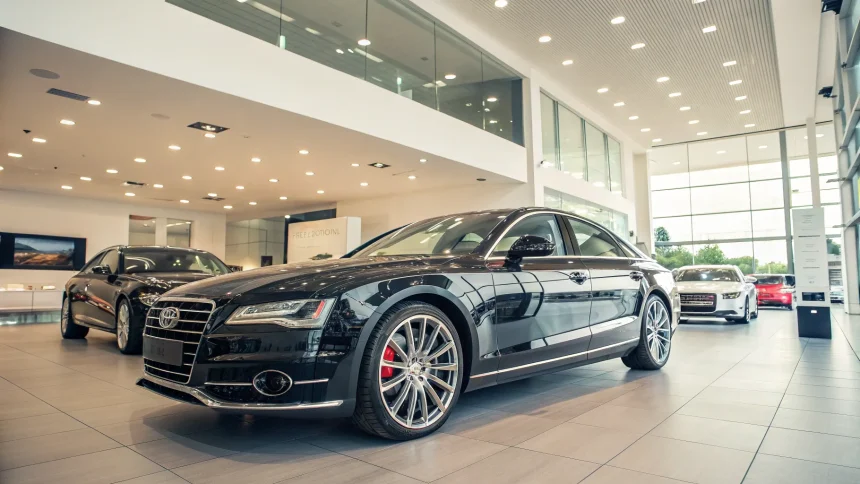
New-car prices are pressing up against a new high, with the average transaction price nearing $50,000 as monthly payments climb to about $766 nationwide. Buyers face higher interest rates, steeper insurance costs, and tighter budgets, adding urgency to showrooms across the country.
The shift affects first-time buyers, families, and fleets alike. It is reshaping what people drive, how long they finance, and whether they choose to lease or buy. Dealers, lenders, and automakers are adjusting in real time as affordability strains the market.
Car prices are nearing a historic milestone as the average cost of a new vehicle approaches $50,000, with buyers facing $766 monthly payments and rising interest rates nationwide.
How We Got Here
Prices climbed during the pandemic as supply chains faltered and inventories dried up. Fewer discounts and strong demand pushed transaction prices higher. Even as production recovered, many models stayed pricey, helped by a mix that tilted to SUVs and trucks.
Interest rates then rose, increasing the cost of borrowing. That change hit payments hard, even when sticker prices did not move much. Insurance premiums also increased, adding pressure to household budgets.
In some segments, incentives have come back, but they are uneven. Popular trims and new tech features keep many vehicles out of reach for budget-minded shoppers.
What’s Driving Payments Higher
Monthly payments reflect three main forces: price, rate, and term length. With high prices and higher rates, buyers often stretch loans to keep payments manageable.
- Sticker prices: More standard safety tech and larger vehicles keep base prices elevated.
- Interest costs: Higher rates lift the total cost of ownership over the life of the loan.
- Loan terms: Longer loans lower the monthly bill but increase interest paid overall.
Leasing is gaining fresh interest when subsidized rates or residuals are attractive. But lease availability varies by brand and region.
Shoppers Shift Strategies
Many buyers are trading down a trim level, switching from luxury to mainstream brands, or choosing smaller footprints. Certified pre-owned models offer a middle path for those who want warranties without new-vehicle prices.
Hybrids are drawing attention because they promise lower fuel costs without full EV pricing. Some EVs carry aggressive discounts or tax credits, but charging access and resale values are still key questions for many households.
Consumers are also delaying purchases. Keeping a car longer is now common, even with higher repair costs. That trend supports used-car values, which can complicate the search for bargains.
Automakers Walk a Tightrope
Automakers want to protect margins while keeping showrooms busy. They are trimming slow-selling models, prioritizing high-demand trims, and timing incentives carefully. Dealers, for their part, rely on financing and service departments to soften sales swings.
Fleet sales offer a release valve when retail demand slows. However, heavy fleet mix can pressure resale values. Brands are treading carefully to avoid long-term damage to pricing power.
What To Watch Next
Affordability will hinge on rate moves and inventory. If borrowing costs ease, payments could stabilize. If production stays healthy, more discounts may appear, especially on older model years.
Shoppers can improve their odds by comparing preapproved financing, considering total cost of ownership, and staying flexible on model and trim. Patience helps. So does timing a purchase near month’s end when quotas matter.
The industry faces a simple test: keep buyers in the market without loading them with unsustainable debt. That balance will guide pricing, product plans, and incentives in the months ahead.
For now, the headline remains clear. Prices hover near $50,000, average payments sit around $766, and higher rates keep the pressure on. If rates retreat and incentives spread, relief could follow. Until then, shoppers and sellers will need sharp pencils and steady nerves.