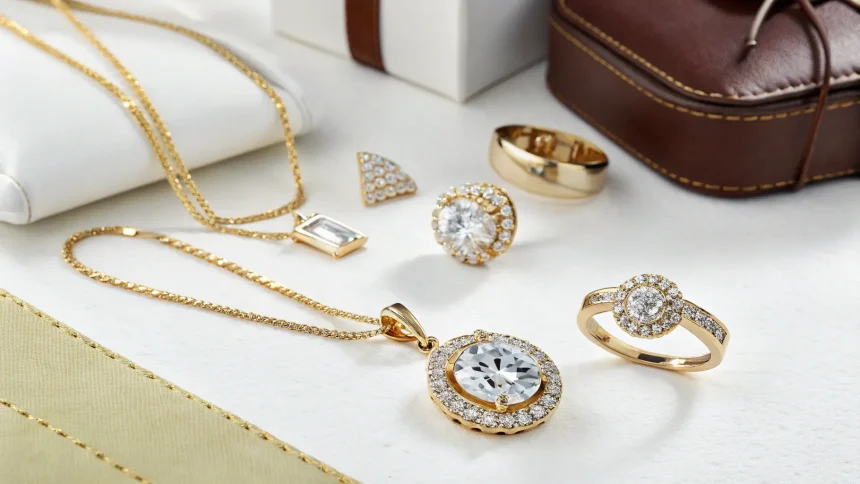
Amid uneven luxury spending this year, jewelry is the standout, leaving leather goods and ready-to-wear in its wake. Retailers and analysts say demand has held up in key markets, pointing to steady interest in investment pieces and gifts that carry emotional weight.
The trend has been visible across major fashion capitals and online channels over recent quarters. Shoppers are trimming impulse buys, but they are still buying jewels that feel lasting. That shift is reshaping inventory plans, marketing, and even store layouts as brands chase higher-margin items that keep moving.
“Jewelry has proven to be a bright spot, consistently outperforming other categories like leather goods and ready-to-wear.”
Background: A Safe Bet In An Unsteady Market
Luxury spending has cooled in several regions due to higher living costs and shifting travel patterns. Currency swings have also changed where people choose to shop. In that setting, jewelry’s mix of perceived value and sentimental appeal has helped it hold steady.
Gold and precious stones are seen by many buyers as a store of value. That helps explain why entry-price studs and bracelets sell alongside high-ticket pieces. Retailers report fewer returns in jewelry than in clothing, which reduces the cost of doing business.
Leather goods and apparel, by contrast, face sizing, fashion cycles, and discount pressures. Seasonal items age fast. Bags need bold newness to spark demand, while clothes must fit just right, online and off. Jewelry sidesteps most of that.
Why Jewelry Wins Right Now
Several forces are pushing jewelry ahead of other categories:
- Versatility: Pieces fit across sizes and seasons, easing online purchases.
- Gifting: Weddings, graduations, and holidays anchor steady demand.
- Resale Support: Recognized designs hold value better than trend-heavy apparel.
- Service: Repairs, polishing, and personalization build loyalty and repeat visits.
Shoppers also gravitate to items they can wear daily. Stackable rings and chains let buyers add over time without starting from scratch. That “build your set” pattern suits tighter budgets and keeps customers engaged between major purchases.
Retailers Adjust Playbooks
Store managers say jewelry cases are moving to more visible zones. Associates receive extra training on materials and care, turning quick chats into confident sales. Online, clearer sizing guides for bracelets and rings are cutting cart abandonment.
Brands are pairing classic core ranges with limited runs to keep attention high without overproducing. Capsules tied to heritage motifs are proving safer than loud seasonal statements. The goal is to offer freshness while protecting margins and minimizing markdowns.
Leather And Apparel Feel The Squeeze
Leather goods still matter for brand identity, but the top seller bag is no longer a guaranteed hit. New silhouettes face a crowded field, and price increases have tested patience. Ready-to-wear sees steady interest in wardrobe basics, yet special pieces face scrutiny if tailoring or fabric disappoints.
Some houses are leaning into repair and refurbishment to extend the life of bags and coats. That can nudge shoppers back to the brand when they are ready to splurge again. But it is a longer path to growth than jewelry’s repeat add-on model.
Outlook: Cautious Optimism With Clear Risks
Jewelry’s edge could continue if shoppers keep prioritizing lasting value and flexible styling. However, risks remain. If gold and diamond prices swing, entry points may look less friendly. A rebound in travel retail could shift spend across regions, complicating stock plans.
Analysts expect brands to test more demi-fine lines and recycled metals to reach younger buyers. Digital try-on tools are improving, helping customers visualize stack sizes and metal mixes. Those small boosts can translate into higher conversion without deep discounts.
Leather and apparel will likely fight back with smarter sizing, better fabric stories, and tighter collections. But for now, the momentum sits in the jewelry case, where a single piece can carry memory, value, and daily wear in one small box.
The main takeaway is simple: consumers are rewarding pieces that feel lasting and personal. Watch for brands to double down on core jewelry ranges, refine service, and use capsules sparingly. If that mix holds, jewelry’s shine should continue into the next buying cycle.