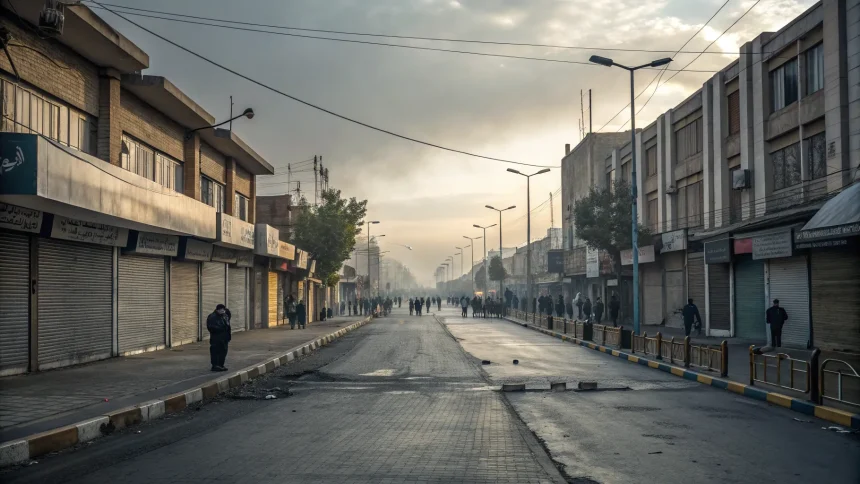
A new tally by a U.S.-based rights monitor says the latest unrest in Iran has produced a death toll that eclipses previous rounds of protest in recent decades. The assessment, from the Human Rights Activists News Agency (HRANA), compares the scale of fatalities to the turmoil of the 1979 Islamic Revolution, signaling a deepening crisis with national and international consequences.
While the figures remain contested and difficult to verify, the claim points to a broad wave of demonstrations and crackdowns across multiple cities. The timing aligns with renewed public anger over political and economic pressures, as well as longstanding demands for social freedoms. The report raises urgent questions about state response, accountability, and the path forward for a nation shaped by cycles of unrest.
What the Rights Group Says
The number of dead, as reported by the U.S.-based Human Rights Activists News Agency, dwarfs that in any other round of protest or unrest in Iran in decades and recalls the chaos surrounding the country’s 1979 Islamic Revolution.
HRANA’s assessment places the current fatalities above other major waves of dissent in recent memory. The group, which tracks arrests and casualties through a network of local sources and open-source material, has often been cited by international media and advocacy organizations. Its latest claim points to a nationwide crackdown with severe human costs.
Iranian authorities typically challenge such reports, arguing that foreign-based monitors exaggerate figures and overlook attacks on security personnel. State media often frames unrest as violent, alleging the involvement of “rioters” or foreign-backed elements. Independent verification is hard because access for reporters is limited and internet controls restrict the flow of information.
Decades of Dissent and Crackdowns
The comparison to 1979 carries weight. The revolution reshaped the state and was marked by street clashes, mass mobilization, and deep political shifts. Since then, Iran has seen recurring protest cycles tied to elections, economic shocks, and social grievances.
- 2009: The Green Movement raised allegations of election fraud and drew massive demonstrations.
- 2017–2018: Protests spread over economic hardship, corruption, and rising prices.
- 2019: Fuel price hikes triggered unrest and a heavy response amid widespread internet blackouts.
- 2022: The death of Mahsa Amini in custody sparked nationwide protests over personal freedoms and policing.
Rights organizations and witnesses across these episodes have described large-scale arrests, injuries, and fatalities. Authorities have often used security forces, including the police and Revolutionary Guard-affiliated units, to disperse crowds. Courts have handed down sentences tied to public order, and some cases have led to executions after fast-tracked trials, drawing international criticism.
Information Blackouts and Verification Challenges
Tracking casualties inside Iran is complex. Internet shutdowns disrupt social media and messaging apps. Journalists face restrictions, and local activists risk detention for sharing footage or testimony. HRANA and other groups try to verify names, locations, and circumstances through multiple channels, but the fog of crisis complicates the count.
These constraints matter. When officials and monitors present sharply different numbers, it feeds mistrust at home and confusion abroad. Families of the missing and the dead struggle to navigate hospitals, morgues, and courts. Rights lawyers caution that many detentions go unreported for weeks, and some deaths are documented only after delayed burials or leaked medical records.
Regional and International Stakes
The alleged scale of fatalities could influence Iran’s external relations. Western governments often link human rights conditions to sanctions and diplomatic engagement. Activists in the Iranian diaspora amplify cases and push for accountability through parliamentary hearings, UN forums, and court filings under universal jurisdiction.
Inside Iran, high casualty counts can create a chilling effect on public gatherings. Yet they can also keep grievances in view, as families, students, and workers organize memorials that become new rallies. The cycle of protest and response tends to recur when economic strain and political frustration remain unresolved.
What to Watch Next
Several factors will shape the trajectory:
- Whether authorities ease restrictions, release detainees, or open investigations into deaths.
- How rights groups update casualty figures as verification improves.
- The scale of any new demonstrations tied to memorials, court rulings, or policy changes.
- International actions, including sanctions or resolutions, and any channels for dialogue.
HRANA’s claim suggests an extraordinary loss of life and a hardening of the state’s response. The pattern matches past cycles but appears more severe. If the numbers hold, Iran faces a deeper crisis of trust between citizens and the state. The next steps—by officials, civil society, and global actors—will determine whether the country moves toward de-escalation or braces for another round of unrest. Observers will be watching casualty updates, court outcomes, and any sign of reforms that could reduce tensions and prevent further deaths.