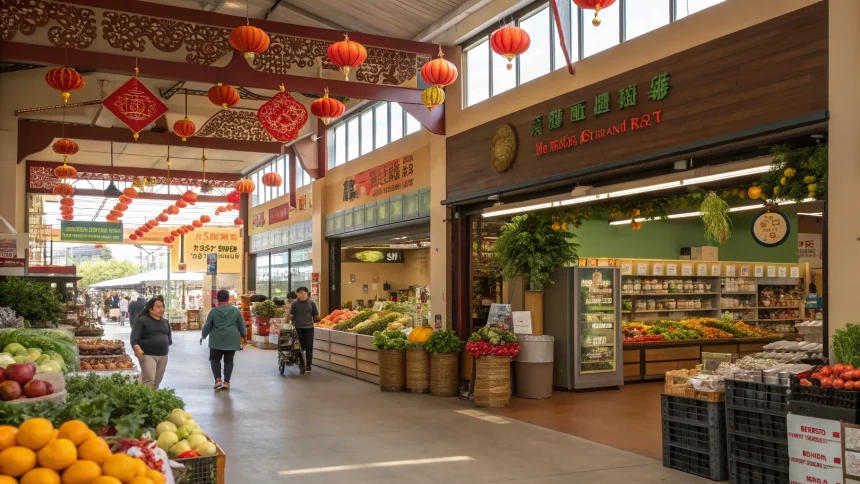
In 1975, a Vietnamese family fled war, resettled in Southern California, and built a neighborhood anchor that still feeds and employs locals today. The Tran family, who left during the Fall of Saigon, later opened Vien Dong World Market in San Diego’s Little Saigon, turning displacement into a story of community and survival.
The family’s journey reflects a wider movement of refugees who rebuilt their lives in the United States after the Vietnam War. Their market now serves as a hub for food, culture, and small business activity along El Cajon Boulevard, where San Diego’s Little Saigon has taken root.
From Flight to Foundation
The Fall of Saigon on April 30, 1975, ended the Vietnam War and set off a mass exodus. About 125,000 Vietnamese were evacuated that year under U.S. programs. Many settled in California, where jobs, sponsors, and community ties were growing.
“The Tran family fled Vietnam during the Fall of Saigon in 1975 and eventually opened the Vien Dong World Market in San Diego’s Little Saigon community.”
That move mirrors the path of thousands who arrived with few possessions and faced language barriers. Over time, Vietnamese Americans opened groceries, restaurants, and service businesses to meet community needs and create stability.
Today, the Vietnamese American population in the United States is about 1.5 million, according to 2020 Census data. Southern California remains a center of that community, with San Diego emerging as a distinct cultural stop.
A Market as Community Anchor
Ethnic markets often start as lifelines. They carry ingredients that connect families to home and provide familiar foods at affordable prices. Over the years, they also draw new customers curious about regional cooking.
Vien Dong World Market fits that pattern. It offers staples like rice, fish sauce, fresh herbs, and specialty produce, while supporting small vendors and local farms. Its aisles are a meeting place as much as a store.
Shoppers trade recipes, swap news, and share tips. The market supports seasonal holidays with displays for Lunar New Year and Mid-Autumn Festival. Such practices help second-generation families maintain traditions.
Little Saigon’s Role in San Diego
San Diego’s Little Saigon district has grown along a stretch of El Cajon Boulevard. Immigrant-run businesses have helped revive storefronts and expand dining options. The area now offers pho, bánh mì, and regional specialties that attract a wider public.
Local groups and city leaders have organized night markets and cultural events to increase foot traffic. These efforts boost sales for small merchants, including grocers and bakeries that depend on weekend shoppers.
Food businesses often create steady jobs and offer entry points for new arrivals. Markets like Vien Dong train workers, support wholesale networks, and introduce new products as tastes change.
Economic Stability and Cultural Continuity
Family-run markets weather inflation, supply chain shocks, and shifting consumer habits. They adapt by expanding prepared foods, improving sourcing, and adding online ordering when possible. Community loyalty helps them stay resilient.
For refugee families, owning a store provides a measure of security and control. It also offers intergenerational opportunity, as younger relatives learn accounting, logistics, and customer service.
- Access to culturally specific foods supports health and diet continuity.
- Local hiring strengthens neighborhood ties and economic mobility.
- Cultural holidays and foods keep traditions alive for younger residents.
What Comes Next
Rising rents and competition from big-box grocers pose challenges. So do changing tastes as younger consumers seek convenience. Still, demand for authentic ingredients remains strong in diverse cities.
San Diego’s growing food scene offers both risk and opportunity. Markets that lean into fresh produce, prepared meals, and education can draw new customers. Cooking classes, recipe cards, and partnerships with local chefs can help.
The Tran family’s story shows how a single business can anchor a district and shape its identity. It also shows how refugee experiences continue to influence American cities in quiet, daily ways.
The arc from 1975 to today is clear. Families who fled war built businesses that feed their neighbors and preserve culture. As Little Saigon evolves, markets like Vien Dong will likely remain central—adaptable, community-focused, and rooted in shared history.