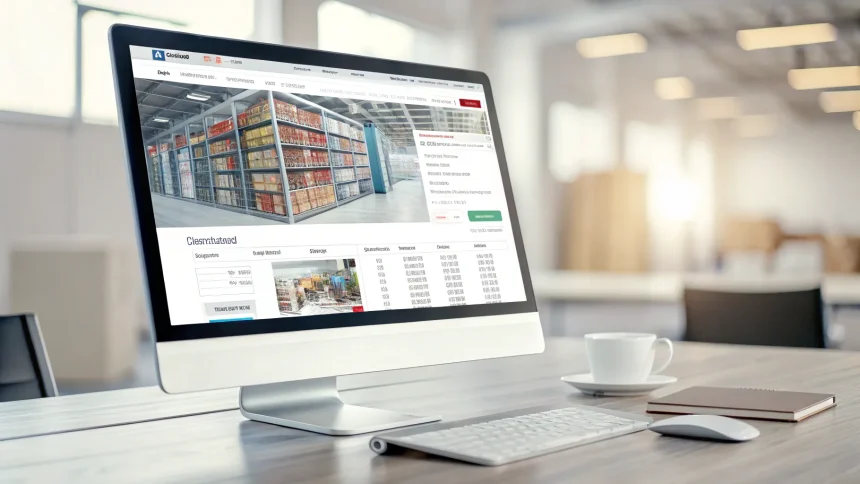
Earlier this week, sharp-eyed shoppers spotted a glitch on the Duchess of Sussex’s As Ever website that displayed a large volume of unsold items. The find spread quickly across social media, where many read it as proof of weak demand. The incident sparked new debate over how online stores report inventory and what shoppers can really learn from back-end pages.
The incident unfolded on the brand’s e-commerce site, where hidden product listings and counts appeared to be accessible. It set off a round of speculation about sales performance and launch timing. Some saw it as a simple tech slip. Others claimed it signaled trouble for a high-profile label.
Earlier this week internet sleuths exploited a glitch on The Duchess of Sussex’s As Ever website which revealed a vast amount of unsold inventory – initially took to be a sign of flagging sales.
What Happened and Why It Matters
The glitch appeared to expose stock numbers for items not yet sold through. That kind of data is usually kept behind the curtain. When it appears in public, the numbers can drive a rush to judgment.
Online inventory is tricky. Many brands preload stock for future drops, seasonal sets, and restocks. They also keep test listings for photography and quality checks. If those pages leak, it can look like a warehouse full of goods with nowhere to go.
In this case, the leak arrived during a period of high interest in celebrity-led labels. Public attention often turns small tech errors into narratives about success or struggle.
Reading Inventory Signals With Caution
Analysts warn that raw stock counts rarely tell the full story. Numbers can include units reserved for wholesale partners, press seeding, and subscription boxes. They can also reflect safety stock set aside for returns and exchanges.
- Preloaded units may be planned for later releases.
- Hidden listings often serve testing and staging needs.
- Safety stock can inflate what looks “unsold.”
This is not new. E-commerce sites have a history of accidental exposure through search indexes, cached pages, or sitemap files. The cycle is familiar: a leak, a viral post, then a scramble to explain numbers built for internal use.
Public Reaction and Brand Risk
The online reaction was quick and loud. Some users mocked the brand. Others argued the glitch proved nothing about demand. The moment shows how fast a tech error can turn into a reputational challenge.
For a label tied to a public figure, the stakes are higher. Attention drives clicks. Clicks drive narratives. Even if sales are steady, the story can snowball before the brand can respond.
Crisis managers often advise swift clarity. A short note can calm the rush and separate internal counts from live, sellable stock. Silence can fuel more hot takes than facts.
What We Know—and What We Don’t
There is no verified sales data from the company. There is no official explanation of which numbers were live, which were staged, or which were reserved for later use. Without that, public judgment leans on guesswork.
Industry watchers point to a common pattern: early-stage brands load inventory ahead of promotions, influencer placements, and retail tie-ins. Large counts may sit idle by design until marketing kicks in.
On the other hand, if the counts were current and live, it could signal a mismatch between hype and conversion. That would prompt changes in pricing, product mix, or ad spend.
What Comes Next
Three steps often follow incidents like this. First, the technical hole gets closed. Second, messaging clarifies what data was exposed and what it meant. Third, the brand leans into planned campaigns to reset the story with actual demand signals.
- Fix the glitch and tighten access controls.
- Explain the numbers in plain language.
- Share verifiable milestones when possible.
The bigger lesson is simple: back-end data without context can mislead. Whether the brand is thriving or lagging will show up in restock speed, sold-out notices, and repeat drops over the next few weeks.
For now, one website error has stirred a lot of noise and a few fair questions. The answers will come not from leaked counts but from the next release, the next sell-through, and whether customers keep coming back.