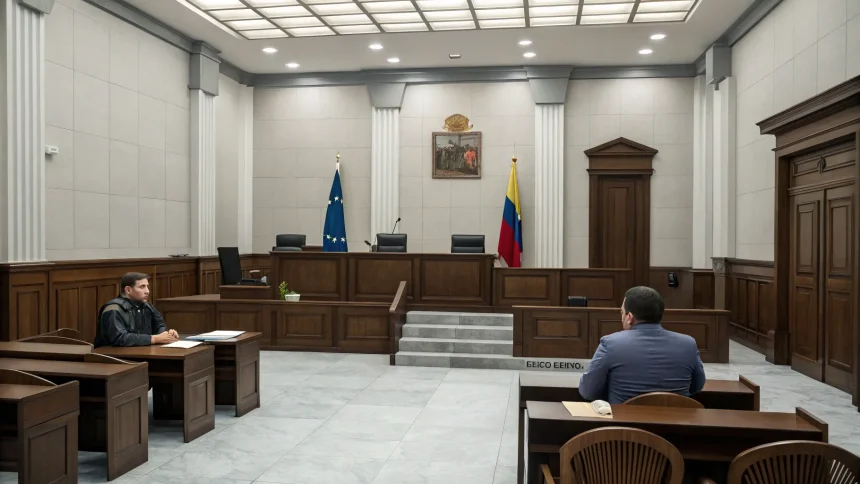
The Venezuelan leader faces a multi-count indictment in New York, setting up a high-profile test of law and diplomacy that could stretch across borders and court systems. The case raises questions about how he was brought into custody and why those challenges may not derail a criminal trial in the United States.
Prosecutors accuse the leader of violating U.S. laws. The charges were filed in New York, a frequent venue for cases tied to alleged financial crimes, narcotics, or violations with links to U.S. banks or markets. A trial could begin as legal teams argue over jurisdiction, immunity, and the path that led to the arrest.
Dispute Over Arrest and Jurisdiction
International law scholars have raised concerns about the manner of detention. They cite rules on state sovereignty, immunity, and treaties that outline how a person can be taken into custody across borders.
Experts in international law question his arrest, but that probably will not affect his trial.
Defense lawyers often argue that an arrest that violates international law should taint a case. They may point to the terms of any extradition agreement, claims of improper seizure, or breach of diplomatic norms. Prosecutors tend to respond that U.S. courts can still try a defendant if the court has personal jurisdiction once the person is present in the district.
Several U.S. cases have long held that the method of capture usually does not block a prosecution. Courts often separate questions of diplomatic protest from the power to proceed with criminal charges. That track record may explain why legal analysts expect motions on the arrest to fail.
Immunity and Status Questions
Another dispute involves immunity. Sitting heads of state and certain senior officials can claim protections under international law. But those protections are limited and often contested. They may not apply to all crimes or to former officials. The scope can also depend on recognition by other governments and the specific acts charged.
Analysts say the defense could argue for immunity if the alleged conduct was official. Prosecutors could answer that the charged acts are private or criminal, not official duties. U.S. courts have weighed similar claims in past cases and sometimes ask the executive branch to weigh in.
Why the Trial Is Likely to Proceed
The Venezuelan leader faces a multi-count indictment in New York.
Once indicted, courts look at whether the charges state crimes under U.S. law and whether the court has authority over the case. If the accused is in custody or appears, the trial track usually moves forward. Disputes about the arrest might lead to diplomatic friction but often do not stop a judge from hearing the case.
Legal observers point to a consistent pattern. U.S. judges focus on the indictment, evidence, and pretrial motions that bear on fairness inside the courtroom. Remedies for violations outside the courtroom are rare unless misconduct affects evidence or due process.
- Challenges to arrest methods rarely end a case.
- Immunity claims depend on status, timing, and type of conduct.
- Extradition limits, if any, can shape which charges proceed.
Political and Regional Impact
The case lands amid tense U.S.–Venezuela relations. Sanctions, migration, and oil policy have weighed on both countries. An indictment of a national leader can inflame domestic debate and complicate talks on humanitarian aid or economic relief.
Inside Venezuela, supporters may frame the case as foreign pressure. Opponents may see it as accountability. The courtroom will not settle those political arguments, but it could affect negotiating space for both governments.
What to Watch in Court
The early weeks may feature motions to dismiss, requests for bail, and fights over evidence. The defense may press claims about the arrest and any alleged treaty breaches. The government will argue that the charges are valid and that a jury should hear the facts.
Key questions include whether any immunity argument gains traction, whether the court limits certain counts due to extradition terms, and how the judge instructs the jury on conspiracy or jurisdiction elements. If the case reaches trial, testimony from financial experts, law enforcement, or former aides could be important.
The outcome will shape future cases involving foreign officials in U.S. courts. It may also influence diplomatic practice on arrests and extraditions. For now, the legal consensus suggests the trial will move ahead, even as the arrest remains a point of debate.
As proceedings unfold in New York, the charges and the process will matter beyond one courtroom. The case will test legal boundaries, strain political ties, and set a practical guide for how far cross-border criminal enforcement can go.