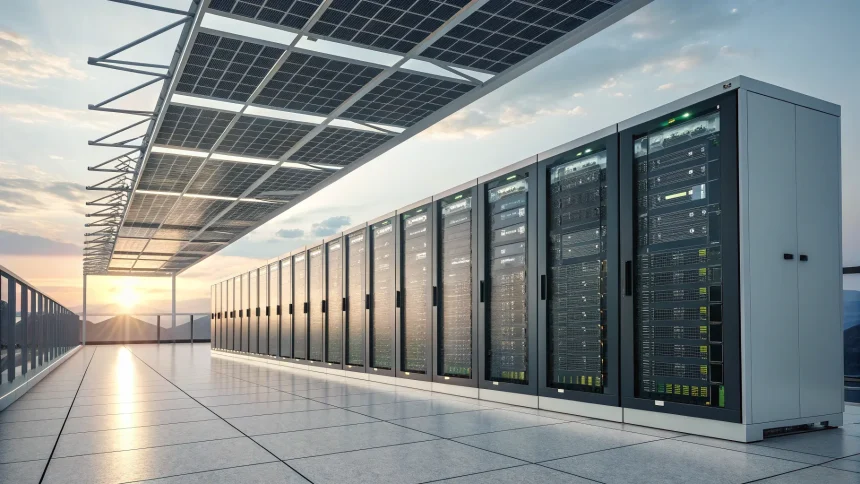
Alphabet is acquiring clean energy developer Intersect for $4.75 billion, marking a major Pacific Northwest exit and signaling how cloud giants are racing to lock in power for AI data centers. The deal highlights the urgency facing large technology firms as they scale artificial intelligence, and it underscores the strategic value of securing long-term electricity supplies near current and planned facilities.
Google parent Alphabet’s $4.75 billion acquisition of clean energy developer Intersect is a major Pacific Northwest exit that shows how cloud giants are racing to secure the power needed to fuel their AI data center ambitions.
Why Power Now Drives Tech Strategy
The surge in AI training and inference has shifted power planning from a back-office issue to a board-level priority. Data centers need reliable electricity year-round, and companies are looking for sources that are affordable, clean, and close to where they build. Alphabet’s move suggests energy development is now a core capability for cloud providers, not just a procurement task.
Clean energy developers offer something more than megawatts. They provide development rights, interconnection positions on crowded grids, and expertise in permitting and construction. Buying that capability outright can speed the timeline for new power projects. It can also give a single buyer control over where and when new capacity comes online.
The Pacific Northwest Angle
Calling the deal a Pacific Northwest exit points to a region long connected to cheap hydropower and a deep pool of energy talent. The area has served data centers for years due to access to renewable power and cooler climates. Alphabet’s push aligns with the region’s role in building and operating large-scale digital infrastructure.
Developers in the region have also faced grid bottlenecks, community concerns, and siting challenges. Ownership by a major buyer with consistent demand may help move projects through financing and construction. It may also shift how risks are managed, since a single corporate offtaker can backstop long-term investments.
What the Deal Signals for AI Buildouts
The acquisition indicates that cloud firms will not wait for new power to appear on the grid. They plan to develop it themselves or control it through long-term arrangements. That approach reduces exposure to power price swings and supply gaps that could delay AI deployments.
It also shows that clean energy remains central to corporate climate goals. Building or buying renewable generation at scale can help companies meet public commitments while expanding energy use. Alphabet’s step pairs expansion with a cleaner mix, even as electricity needs grow.
Implications for Developers, Utilities, and Communities
For independent developers, the deal raises the bar. Some may benefit by selling pipelines of projects to large buyers. Others could face tougher competition when bidding for grid access and equipment.
Utilities may see more direct engagement from technology companies on transmission plans and interconnection queues. Coordinating large, time-sensitive loads with new generation will demand earlier planning and clearer timelines.
Communities weighing data center proposals will look for concrete benefits. These include tax revenue, jobs during construction, and investments in transmission, storage, or grid upgrades that improve local reliability.
- Large buyers may prioritize projects near existing data corridors.
- Storage and flexible demand could grow to manage variable renewables.
- Transmission planning will become a bigger factor in site selection.
What Comes Next
Observers will watch how quickly Alphabet brings new projects from permits to power. Time-to-energize is now a competitive metric for AI. Speed will depend on grid interconnection studies, equipment lead times, and construction capacity.
Rivals are likely to respond with similar moves, whether through acquisitions, joint ventures, or multi-decade contracts. The next phase could include more on-site generation, battery storage paired with renewables, and new tools to shift data center load to match available power.
Alphabet’s purchase of Intersect sets a clear direction. AI expansion now hinges on reliable, cleaner electricity, and ownership of the development pipeline shortens the path. The deal recasts clean energy as a strategic asset for cloud companies, with effects that will reach utilities, developers, and local communities. Watch for faster project timelines, deeper utility partnerships, and new siting strategies as the industry competes to power the next wave of AI growth.