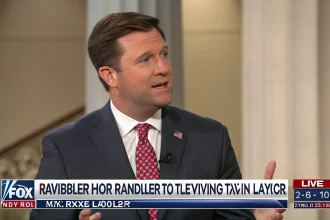
As tariffs reenter the policy spotlight, budget watchdog Maya MacGuineas is warning that import taxes will not plug America’s fiscal hole. Speaking on Fox Business’ “Mornings with Maria,” the head of the Committee for a Responsible Federal Budget weighed the trade cash against the cost of tax cuts passed under President Donald Trump, saying the math still points to wider deficits.
The discussion comes as Washington revisits trade as a revenue source and braces for key tax provisions that will expire unless Congress acts. The debate is urgent. The federal government faces rising interest costs and long-run spending pressures from health care and Social Security.
How We Got Here
Federal deficits have grown through economic cycles and wars, under both parties. The COVID-19 shock pushed borrowing higher. But even outside emergencies, structural spending on major programs has climbed with an aging population.
The 2017 tax law lowered individual and corporate rates. Supporters argued that stronger growth would pay for a large share of the cuts. Critics said the boost would not offset lost revenue and warned about mounting debt. Many of the individual tax cuts will expire soon, putting Congress on a clock.
Tariffs have also returned as a favored tool. They raise money at the border but can raise prices for consumers and businesses that rely on imports.
Tariff Revenue: Small Hose, Big Fire
MacGuineas stressed that tariffs are taxes, even when collected from foreign goods. The cost often filters through supply chains and shows up on store shelves. Revenue does come in, but it is limited when set against annual deficits measured in the hundreds of billions or more.
Economists note that higher import taxes can also change behavior. Companies may source from different countries or pass on costs. Those shifts can shrink expected government intake over time.
- Tariffs collect money at the border but may raise consumer prices.
- Behavior changes can reduce long-run revenue.
- Revenue is modest compared with the size of the deficit.
Tax Cuts And The Deficit Math
The tax law passed under Trump lowered collections. Growth did improve in the following years, but not enough to fully offset the losses, according to many independent analyses. MacGuineas argued that permanent, unpaid-for tax cuts tend to widen deficits unless paired with spending cuts or new revenue.
There is also the bill for interest. Borrowing more to finance tax cuts and other policies raises the cost of servicing the debt, which can crowd out other priorities. That feedback loop makes future fixes tougher.
Competing Views From Business And Policy Circles
Supporters of tariffs say they protect domestic industries and can push supply chains closer to home. They also claim tariffs are a fair tool when trading partners use subsidies or other barriers. Growth-first tax cut advocates argue that lower rates boost investment and wages.
Critics counter that tariffs act like a sales tax on imports, raising costs for consumers and manufacturers that rely on foreign parts. They warn that broad tariffs can spark retaliation. On taxes, skeptics say cuts without offsets are a fast track to higher deficits and interest costs.
What’s At Stake As Decisions Loom
Congress must choose whether to extend, modify, or let parts of the tax law expire. Each option has budget and economic trade-offs. Keeping cuts without offsets would add to borrowing. Letting them end could raise taxes for many households. Splitting the difference would require careful design and credible pay-fors.
Trade policy is also in flux. A broader tariff plan could raise more money than narrow measures, but the side effects could be larger, too. The mix of rates, exemptions, and enforcement will determine how much revenue shows up and who pays it.
Signals To Watch
Budget analysts will be tracking three signals in the months ahead:
- Whether lawmakers pair any tax extensions with offsets that hold the deficit steady.
- How tariff proposals target goods and trading partners, and the likely pass-through to prices.
- The path of interest rates, which magnifies the cost of new borrowing.
MacGuineas’ bottom line was simple: tariff dollars alone will not balance the books, and tax policy choices still drive much of the deficit path. The key test is whether leaders match new promises with real pay-fors. Voters will see soon enough if Washington chooses discipline or another round of easy answers.