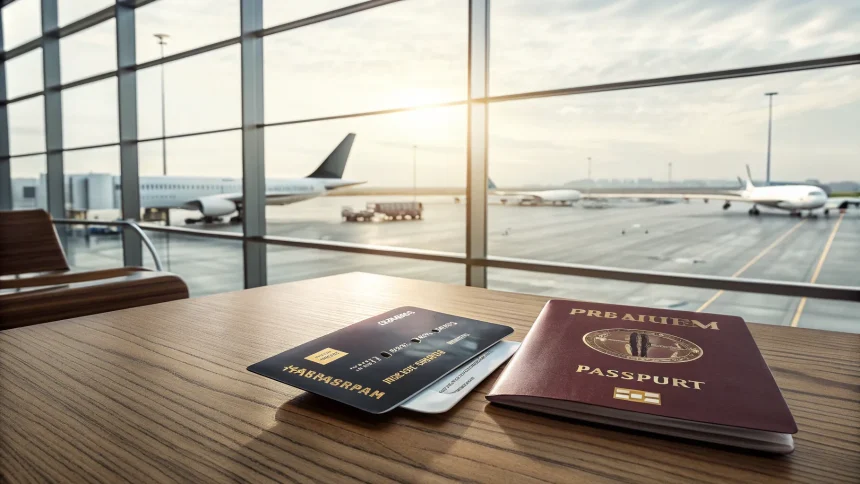
American Express set the template for premium plastic long ago, and the industry is still chasing it. The company bundled airline and hotel benefits with lounge entry, changing what a credit card could offer frequent travelers. That push, born decades ago in the United States, continues to shape how banks court high-spend customers and how travelers plan their trips.
American Express pioneered the premium credit card space decades ago with cards that bundled airlines and hotel perks with access to high-end airport lounges.
The core idea was simple. Pair a payment tool with travel comforts and status. The result was a new class of card that promised time, space, and calmer airport days. That model now anchors a crowded market, even as airlines, hotels, and banks rethink perks after years of travel swings.
How Perks Became the Product
Premium cards first aimed at frequent flyers who valued upgrades and lounge access. Over time, those benefits became the pitch themselves, not just add-ons to credit. Lounge entry, elite-like hotel treatment, and travel credits turned into the headline features.
The strategy aligned interests. Travelers got comfort and savings. Issuers won affluent customers who spend more and pay annual fees. Airlines and hotels gained loyal guests through co-brands and partnerships. The result was a cycle of richer perks and higher fees.
Then came turbulence. The pandemic paused travel and tested the model. Issuers added streaming, grocery, and delivery credits to keep cards sticky. When travel rebounded, demand for lounges roared back, leading to crowding and policy changes at many clubs.
Competitors Push Into Lounges
What began with one company now spans many. Major banks built elite travel cards and, in some cases, their own lounge networks. Airlines expanded club offerings and set stricter access rules. The “perk wars” moved from points to real estate, with glossy clubs as the prize.
Travelers today choose among cards that promise different lounge footprints, from traditional airline clubs to bank-branded spaces. Access rules vary by ticket type, card tier, and guest policies. That has created a patchwork that rewards close reading of the fine print.
Analysts say the lounge push is about more than free snacks. It is about owning the travel journey and keeping high-value customers in-house. A comfortable seat near Gate 32 still sells cards.
The Cost—and Payoff—for Cardholders
Premium cards tend to carry high annual fees, offset by travel credits, lounge entry, and points. For some, the math works easily. A few airline visits, checked-bag savings, and hotel benefits can exceed the fee. For others, benefits go unused, and the value fades.
- Frequent travelers often maximize lounge and credit value.
- Occasional travelers may prefer lower-fee cards with simpler rewards.
- Access rules and guest limits can change value year to year.
Consumer groups urge a realistic audit. How often will you fly? Do you visit airports with the promised lounges? Will you use the credits before they expire? Fancy perks do not help if they sit idle.
Airlines, Hotels, and Banks Rebalance
As demand surged, lounge crowding became a flashpoint. Some clubs imposed time limits, limited guests, or tied entry to same-day tickets. Co-branded cards adjusted benefits. Hotels tweaked loyalty programs as award costs and occupancy shifted.
Banks also leaned on travel portals and partnerships to keep rewards attractive. Points strategies now mix airfare discounts, transfer partners, and statement credits. The goal is to hold on to premium customers through good and bad travel cycles.
What to Watch Next
Several trends are worth watching. Lounge expansion continues, but slower, as operators weigh costs and staffing. Access rules may tighten if crowding returns during peak seasons. More benefits could move to digital, with targeted credits and dynamic offers.
Competition is unlikely to cool. Travel remains a key battleground for customer loyalty, and premium cards still signal status. Issuers will try to balance access, experience, and cost without diluting the draw.
American Express started the playbook. Others have written new chapters. But the central idea holds: make travel smoother, and the card earns a spot in the wallet.
The takeaway for travelers is simple. Choose based on airports you use, trips you take, and perks you actually redeem. The lounge door is only worth it if it opens when you need it.