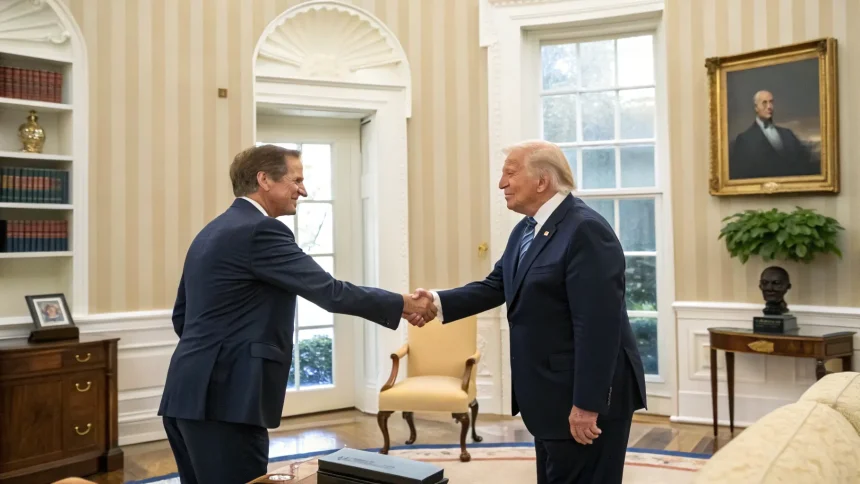
The government will release $250 million in previously frozen funds and close an inquiry into an Ivy League university’s handling of alleged antisemitic harassment on campus. The agreement marks a swift shift in a tense standoff over whether the school protected its Jewish students, and it resets a high-profile dispute at the center of campus speech, safety, and civil rights.
Under the arrangement, the institution avoids further penalties while federal officials halt their probe. The money, tied to research and academic programs, had been on hold as the investigation proceeded. Both steps come amid growing pressure on universities to address bias, enforce conduct rules, and comply with federal civil rights law.
What Prompted the Deal
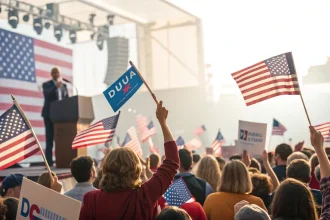
For months, colleges and universities have faced claims that Jewish students feel unsafe amid wartime rhetoric and heated protests. Complaints filed with federal agencies cited incidents ranging from harassment in classrooms to threatening slogans at demonstrations.
The government had been weighing whether the Ivy League university failed to respond adequately to reported incidents. Civil rights officials typically examine whether schools promptly investigate complaints, apply conduct codes, and offer supportive measures under Title VI of the Civil Rights Act.
In recent cases nationwide, federal agencies have opened dozens of investigations into alleged discrimination based on shared ancestry, which includes antisemitism and Islamophobia. Decisions often hinge on how institutions balance protected speech with conduct that crosses into harassment or threats.
The Agreement at a Glance
“In addition to unfreezing $250 million, the government has agreed to end its investigation into the Ivy League university over allegedly failing to protect its Jewish students.”
While the detailed terms were not disclosed, the move suggests that the university committed to actions that satisfied federal concerns or that officials concluded further enforcement was not warranted at this time. The financial release immediately affects research labs, student services, and grant-funded projects that rely on steady cash flow.
- Funds restored: $250 million returns to active use for research and academic programs.
- Probe closed: The investigation into protections for Jewish students ends.
- Compliance expectations: Title VI obligations remain in force for future incidents.
Campus Climate and Legal Context
Universities walk a narrow line. The First Amendment protects even harsh political speech at public institutions, while Title VI requires schools that receive federal funds to address severe, pervasive harassment that limits a student’s ability to learn. Private universities often mirror those standards through policies and state laws.
The national picture has been turbulent. Alumni and donors have pressed for stronger discipline. Faculty worry about academic freedom and due process. Student groups seek clear rules and consistent enforcement. Jewish students have described being targeted or isolated, while others argue that protest movements are being chilled.
In response, many institutions have set up reporting hotlines, expanded security, and launched mandatory trainings. Some have revised protest and facility-use policies, clarified disciplinary steps, and increased transparency on incident tracking.
Reactions and What It Means
Supporters of the agreement say the funding release will stabilize research and keep students employed on grant-backed projects. They argue that oversight should push schools to improve policies without crippling academic work.
Critics worry that closing the investigation may reduce pressure for lasting change. They want clearer definitions of prohibited conduct, faster disciplinary processes, and stronger public reporting. Jewish student advocates often call for quicker interim measures, including class or housing adjustments when threats arise.
Legal observers note that case closures do not erase obligations. Agencies can reopen inquiries if new facts emerge. Universities remain liable for how they handle the next report or protest.
What to Watch Next
The university is likely to highlight steps it has taken or plans to take on campus safety, training, and complaint handling. Federal officials will continue monitoring other cases nationwide, where outcomes could set practical standards for response times, documentation, and sanctions.
Key indicators in the months ahead will include the number of reported incidents, resolution times, and student satisfaction with remedies. Transparent data could help rebuild trust across campus groups.
For now, the release of $250 million and the end of the probe ease immediate tensions. The larger test remains whether policies and day-to-day enforcement protect students while preserving space for debate.
That balance will define campus life this academic year. It will also shape how universities respond to the next wave of complaints and how the government measures compliance under civil rights law.