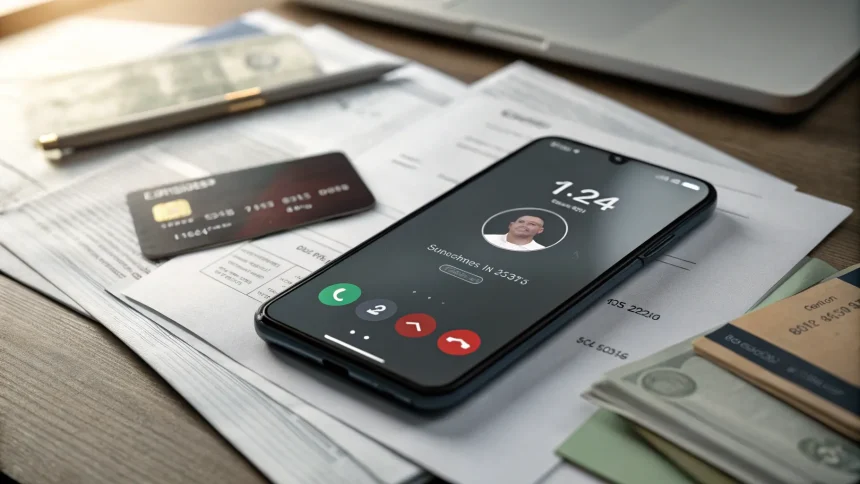
Scammers are reviving a simple pitch to steal card credentials, telling customers they can boost credit limits or scores in minutes if they share details. The scheme, circulating through calls and messages, targets cardholders who want quick fixes and falls apart only after money is gone.
The approach plays on urgency and trust. Victims are asked to provide their card number, CVV, expiry date, and even one-time passwords, often during a single call. The goal is to move fast, push payments through, and vanish.
Background: Old Tactics, New Packaging
Card fraud tends to follow a pattern. Scammers promise benefits that sound familiar, such as higher limits, waived fees, or priority approvals. The request is always the same: share security information now for a reward later.
Fraud prevention teams warn that legitimate banks never ask for full card details and OTPs over the phone. Customer verification checks exist, but they do not include handing over sensitive codes. The rebranding of this scam as “credit enhancement” gives it a fresh coat of paint without changing the core trick.
“A common trick fraudsters use to dupe credit card customers is to offer credit enhancement. Under the pretext, it is easy to convince people to share their card number, CVV, expiry date and even the OTP.”
How the Pitch Works
Fraudsters start with a friendly introduction and an official-sounding title. They may spoof caller IDs or reference the customer’s bank to sound credible. Then comes the hook: an instant increase in credit limit or a boost to the credit score.
They move quickly to collect credentials. Victims are told to read out their card number and CVV, followed by the expiry date. The final step is the one-time password sent by the bank. Once the OTP is shared, unauthorized transactions are approved.
Pressure is a key tool. Callers warn that the offer expires within minutes, or that eligibility will be lost if the call ends. The urgency pushes people past caution.
Why People Fall For It
The offer meets a common desire: a higher limit or a cleaner credit profile without paperwork. Many customers expect banks to proactively reach out with upgrades, which helps the lie stick.
Scammers also mimic service scripts. They thank customers, recap benefits, and ask permission to proceed. The formality lowers defenses.
Technical terms are kept simple to avoid suspicion. When asked about security, scammers claim the OTP is only for “verification,” masking the fact that it authorizes a payment.
Signals That Something Is Wrong
- Any request for full card number, CVV, expiry date, or OTP.
- Pressure to act within minutes or during the call.
- Promises of instant credit score improvement.
- Caller ID that looks like a bank but refuses to let you call back.
- Instructions to keep the process “confidential.”
Industry Response And Consumer Options
Banks discourage customers from sharing OTPs and run campaigns to explain what is and is not a legitimate request. When fraud occurs, they advise immediate action: block the card, review statements, and dispute charges.
Payment networks and issuers are also strengthening fraud detection. Patterns like rapid transactions or new device usage can trigger extra checks. Still, these systems cannot protect a card if an OTP is shared.
Consumer education remains the strongest defense. Clear rules help customers decide when to hang up.
What To Do If Targeted
End the call and contact your bank using the number on the back of your card. Do not call numbers given by the caller. Change your online banking password if you shared any information.
If a transaction went through, file a dispute immediately. Save call logs and messages. Report the incident to your bank and the relevant consumer protection authority.
Looking Ahead
Expect scammers to shift scripts as customers get wiser. The theme will be the same: trade personal details for promised benefits. The defense remains unchanged: never share CVV codes or one-time passwords with anyone.
Consumers can also set transaction alerts, use virtual card numbers where available, and enable strong authentication on banking apps. Simple habits often beat slick scams.
The credit enhancement pitch thrives on speed and silence. Slow the call, ask questions, and refuse to share codes. The offer will vanish. Your money will not.