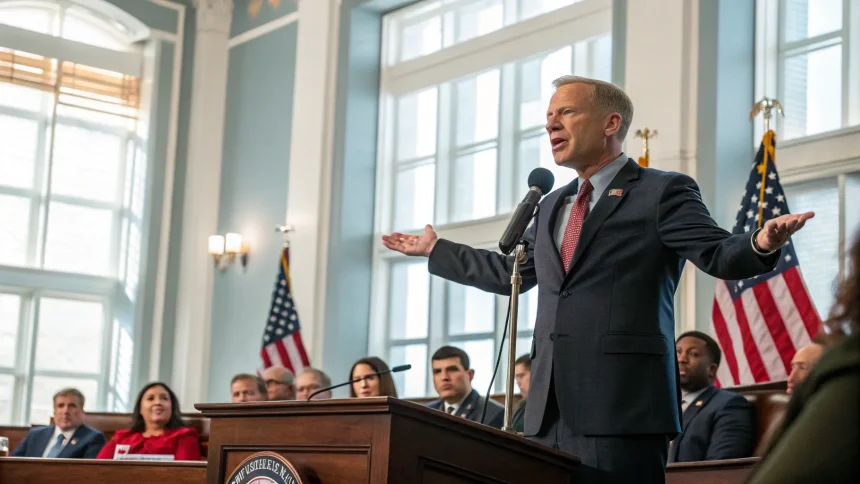
With a terse warning and little appetite for delay, New Jersey Republican Jeff Van Drew signaled a call for speed in Washington, saying, “We need to deal with that now.” The brief remark captured a growing impatience among lawmakers as Congress faces pressure on several fronts. It also reflected Van Drew’s style: direct, unvarnished, and aimed at getting to a decision.
A Call for Speed
“We need to deal with that now,” said New Jersey Republican Jeff Van Drew.
Van Drew’s point was less about nuance and more about timing. The message was plain: waiting carries a cost. Whether the topic is spending, public safety, coastal protection, or immigration, the through line is urgency. His comment speaks to a wider mood in the House, where prolonged debates often collide with fast-moving events and community needs.
Who Jeff Van Drew Is
Van Drew represents New Jersey’s 2nd Congressional District, a region that spans much of South Jersey. He built his brand as a local-minded legislator who prizes responsiveness. He began his career as a Democrat and later became a Republican in 2019, aligning with a base that wanted a firmer stance on national priorities. Supporters say the shift reflected his district’s changing politics. Critics argue it was a strategic move in a divided era.
Either way, Van Drew has leaned into short, punchy statements that travel well on television and social media. The latest remark fits that pattern. It says: less talk, more action.
What Urgency Looks Like on Capitol Hill
Calls for quick action often collide with the slow grind of committee work and leadership negotiations. Members jockey for time on the floor. Deadlines for budgets, security measures, or disaster aid loom, then slip, then loom again. In that environment, a phrase like “deal with that now” is both a rallying cry and a tactic. It pushes colleagues to pick a path, even if the path is imperfect.
Policy staffers say urgency can focus minds when the stakes are high. But speed also risks sloppy drafting, hidden trade-offs, or missed oversight. That tension is common: move too slowly and problems grow; move too quickly and new problems appear. Van Drew’s nudge is a vote for speed, with the hope that action beats drift.
Local Pressures, National Stakes
Van Drew’s district includes shore communities that face storm damage and beach erosion, rural areas concerned with healthcare access, and towns dependent on tourism. Those needs don’t wait for perfect timing. When local officials raise alarms, members of Congress often bring that urgency to Washington. The representative’s terse comment lands against that backdrop: a reminder that delays in the Capitol can ripple back home.
- Local crises demand timely federal support.
- Lengthy negotiations can strain public patience.
- Clear timelines help communities plan and recover.
Why Brief Quotes Matter
Short lines become stand-ins for larger debates. A few words can summarize a lawmaker’s posture and signal to allies, opponents, and voters. Van Drew’s sentence is uncomplicated, which is the point. It applies pressure without tying him to a single bill or amendment. It is part message, part negotiation.
Strategists note that such quotes also set expectations. If nothing happens quickly, constituents will ask why. If something happens and it backfires, opponents will say it was rushed. The risk is built in. The upside is momentum.
What to Watch
Expect more urgency from lawmakers as deadlines stack up and communities ask for help. Van Drew’s approach suggests he will keep pressing for quick decisions, even if that means tough votes. The debate ahead is about pace as much as policy: how fast can Congress move without sacrificing care and clarity?
For now, the message is simple. Act first, explain later. Voters will decide whether that trade-off delivers results where it counts—at home.