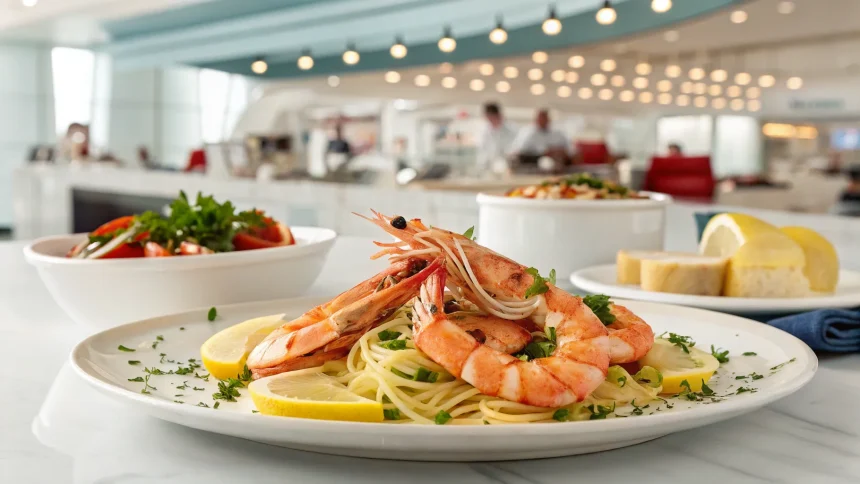
Red Lobster is making significant changes to its menu offerings more than a year after filing for bankruptcy. The seafood restaurant chain has discontinued its popular Ultimate Endless Shrimp promotion, replacing it with a new deal called Ultimate SpendLESS Shrimp.
The menu revamp comes as part of the company’s efforts to regain financial stability following its bankruptcy filing last year. While the chain has maintained its presence in the casual dining market, these menu adjustments signal a strategic shift in how the restaurant approaches its value propositions.
Menu Transformation Strategy
The replacement of the Endless Shrimp deal represents a calculated move by Red Lobster’s management. The previous all-you-can-eat promotion, which allowed customers unlimited shrimp servings for a fixed price, has been a longtime customer favorite but may have contributed to the company’s financial challenges.
Industry analysts have often noted that unlimited food promotions can create unpredictable food costs and potentially thin profit margins when customers maximize their consumption. The new SpendLESS Shrimp option likely aims to provide value while establishing more predictable cost structures for the business.
The company has not disclosed specific details about how the new promotion differs from its predecessor in terms of pricing or portion limitations.
Expanded Menu Offerings
Beyond the shrimp promotion change, Red Lobster is introducing several other new items to refresh its menu. These additions include seasonal cocktails, which may help boost the restaurant’s beverage sales—typically a high-margin category for restaurants.
These menu innovations appear to be part of a broader strategy to attract customers while maintaining better profit margins. The timing suggests the company is implementing lessons learned from its bankruptcy experience.
Restaurant industry experts point to several factors that may have contributed to Red Lobster’s financial troubles:
- Rising seafood costs affecting profit margins
- Increased competition in the casual dining sector
- Changing consumer preferences toward delivery and takeout
- Operational challenges during and after the pandemic
Financial Recovery Efforts
The menu changes represent just one aspect of what is likely a comprehensive recovery plan. Red Lobster filed for Chapter 11 bankruptcy protection last year, allowing the company to reorganize its finances while continuing operations.
During bankruptcy proceedings, companies typically review all aspects of their business model, from real estate footprints to menu engineering, seeking opportunities to improve profitability. The shift from “endless” to “SpendLESS” branding suggests a more controlled approach to promotions.
“Restaurants need to balance customer value perception with actual profitability,” said a restaurant industry analyst who studies casual dining chains. “All-you-can-eat promotions can drive traffic but sometimes at the expense of the bottom line.”
The seafood chain, which has been a fixture in American dining since 1968, continues to operate hundreds of locations across the United States despite its financial restructuring. The company has not announced any large-scale restaurant closures in connection with these menu changes.
As Red Lobster navigates its post-bankruptcy phase, these menu adjustments may provide insight into how legacy restaurant chains can adapt to changing market conditions while maintaining their core identity. For loyal customers, the shift from Endless to SpendLESS shrimp marks the end of an era, but potentially signals a more sustainable future for the brand.