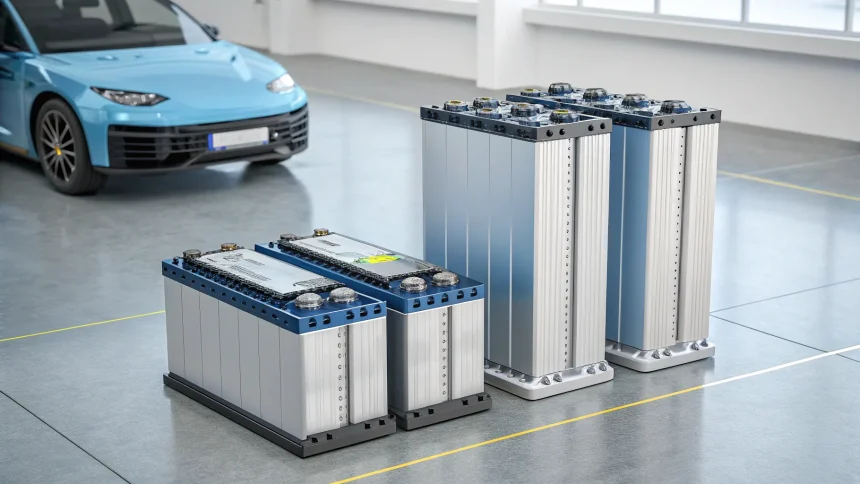
A significant shift is occurring in the electric vehicle battery industry as lithium iron phosphate (LFP) batteries gain ground against their cobalt-containing counterparts. This development marks a turning point in what experts describe as an “era-defining race” between two dominant battery technologies powering the global transition to electric vehicles.
For years, lithium-ion batteries using cobalt have dominated the EV market due to their high energy density and performance characteristics. However, recent market trends indicate that iron phosphate alternatives are now taking the lead, potentially reshaping the future of electric mobility.
The Cobalt Conundrum
Cobalt has long been a crucial component in high-performance lithium-ion batteries, prized for its ability to provide stability and energy density. However, the metal comes with significant ethical concerns that have plagued the industry for years.
The metal’s extraction has been associated with human rights violations, particularly in the Democratic Republic of Congo, which produces approximately 70% of the world’s cobalt. Reports of unsafe working conditions, child labor, and environmental damage have cast a shadow over cobalt’s role in what is otherwise considered a clean energy transition.
These ethical concerns have pushed manufacturers and researchers to develop alternatives that can match cobalt’s performance while avoiding its problematic supply chain.
The Rise of Iron Phosphate
Lithium iron phosphate (LFP) batteries represent the most successful alternative to date. While initially considered inferior due to lower energy density, technological improvements have made LFP batteries increasingly competitive. They now offer several advantages:
- Lower production costs
- Improved safety profile with reduced fire risk
- Longer cycle life
- More stable supply chains
- Fewer ethical concerns in material sourcing
Major automakers have begun incorporating LFP batteries into their vehicle lineups, particularly for standard-range models and markets where price sensitivity outweighs range requirements.
Market Implications
This technological shift carries significant economic and geopolitical implications. As noted in Henry Sanderson’s book “Volt Rush: The Winners and Losers in the Race to Go Green,” the battery technology race is creating clear winners and losers across global supply chains.
China has established a strong position in LFP battery production, controlling much of the manufacturing capacity and intellectual property. Meanwhile, countries and companies heavily invested in cobalt mining and processing face uncertain futures as demand patterns shift.
“The transition away from cobalt represents both environmental progress and a major realignment of power in the EV supply chain,” an industry analyst explained. “Countries and companies positioned for the LFP revolution stand to gain significant market share.”
Environmental and Social Impact
The shift toward iron phosphate batteries aligns with broader sustainability goals in the electric vehicle industry. By reducing dependence on cobalt, manufacturers can address one of the most persistent criticisms of EVs: that their environmental benefits come at a high human cost.
Environmental advocates have welcomed the trend, noting that truly sustainable transportation requires ethical material sourcing throughout the supply chain. However, they caution that all battery technologies come with environmental considerations that must be managed responsibly.
The mining of lithium, which remains essential for both battery types, continues to raise concerns about water usage and ecosystem impacts in regions like South America’s “Lithium Triangle.”
As the electric vehicle market continues its rapid growth, the battery technology powering it evolves in response to economic, ethical, and performance pressures. The ascendance of iron phosphate batteries over cobalt-based alternatives demonstrates how market forces can sometimes align with ethical imperatives to drive technological change.
With global EV adoption accelerating, the stakes in this battery race remain high. Manufacturers, mining companies, and nations continue to position themselves for advantage in what promises to be one of the defining industrial transformations of the 21st century.