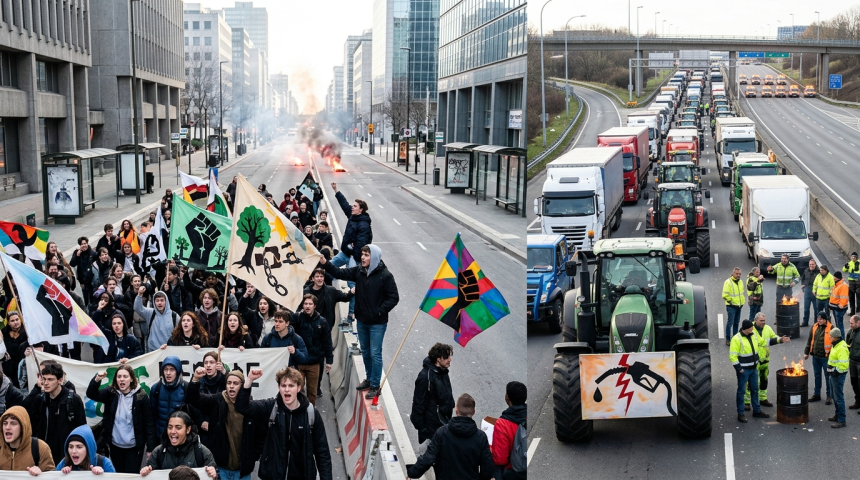
Protests led by young people descended into riots across northern cities, while farmers and truckers blocked commercial traffic in the south over high gas prices. The unrest opened two fronts at once, placing pressure on public safety, trade, and transport networks.
The disturbances involved groups with different concerns and tactics. Urban protesters gathered in northern population centers, where demonstrations later turned violent. In the south, farmers and freight drivers used road blockades to halt the movement of commercial goods.
Officials have not provided details about arrests, injuries, property damage, or the length of the disruptions. The lack of confirmed figures makes the full economic and social impact difficult to measure.
Separate Grievances Create Wider Pressure
The events reflect discontent among both younger residents and workers who depend heavily on fuel. Their complaints may differ, but their actions affected key parts of daily life at the same time.
Young protesters can draw attention to unemployment, living costs, public services, or political representation. However, the specific demands behind the northern demonstrations were not stated. That leaves uncertainty over what triggered the marches and why some gatherings became riots.
Farmers and truckers face a more clearly identified concern: high gas prices. Fuel is a major operating expense for freight companies and agricultural businesses. Higher prices increase the cost of moving crops, equipment, livestock, and consumer goods.
Those expenses can spread through supply chains. Transport companies may charge more, farmers may receive lower margins, and stores may pass added costs to shoppers.
Commercial Blockades Carry Economic Risks
Stopping commercial traffic gives farmers and truckers immediate leverage because many businesses rely on regular deliveries. Even short disruptions can delay food, fuel, manufacturing materials, and other goods.
The main risks include:
- Delivery delays for retailers and factories
- Losses for farms handling perishable products
- Higher transport and storage costs
- Possible shortages if blockades continue
The effect depends on how many roads were blocked and how long traffic remained stopped. Alternative routes could reduce the damage, but detours would still use more fuel and driver time.
Blockades also create a public policy challenge. Authorities must protect the right to peaceful protest while keeping major roads open. A forceful response could deepen anger, while limited enforcement could allow economic losses to grow.
Riots Shift Focus From Protest Demands
Violence in northern cities may weaken public attention to the original concerns of young protesters. Once demonstrations turn into riots, debate often shifts from grievances to policing, arrests, and damaged property.
Responsibility for the violence has not been established. It is also unclear whether most participants joined the disorder or whether a smaller group drove the escalation. That distinction matters when officials decide how to respond.
A measured approach would separate peaceful demonstrators from people committing crimes. It would also require clear information about police conduct, arrests, injuries, and damage. Without those facts, competing claims may intensify public distrust.
What Authorities Face Next
The immediate task is to restore safe movement without closing channels for negotiation. Talks with farmer and trucking groups could focus on fuel costs, temporary relief, transport fees, or other practical measures.
Authorities also need to identify the demands behind the youth protests. Public order measures alone may stop unrest for a short period, but they may not address the causes that brought people into the streets.
The next signs to watch are the duration of the southern blockades, any renewed demonstrations in northern cities, and the government’s response. A quick settlement could limit shortages and further violence. A prolonged standoff could connect separate grievances into a broader national crisis.