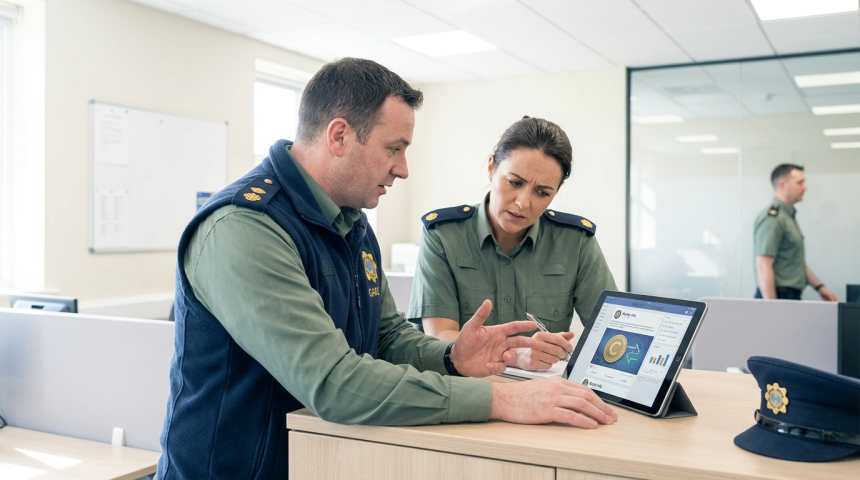
Two Garda social media accounts published cryptocurrency promotions on Wednesday, raising immediate questions about whether the posts were authorized.
The posts appeared on the @GardaTraffic and @GardaInfo accounts. These accounts are associated with traffic updates and public information from Ireland’s national police service.
Few details were available about the cryptocurrency, the content of the promotions, or how long the posts remained visible. There was also no information about whether users followed any links contained in them.
Unusual Posts Prompt Security Questions
Cryptocurrency advertising would be an unusual departure from the accounts’ normal public-service role. Their established identity may give posts a level of trust that unknown accounts do not have.
The incident does not, on its own, confirm that either account was hacked. Other possible explanations include unauthorized access, an internal publishing error, or misuse of a connected service.
Determining what happened would require an account review. That process could examine login records, connected applications, active sessions, and changes to security settings.
The central questions include:
- Whether the cryptocurrency posts were approved by Garda officials
- Whether either account was accessed without permission
- Whether the posts directed users to an outside website
- Whether any personal or financial information was exposed
Public Trust Raises the Stakes
Official police accounts carry added weight because people rely on them for road alerts, safety guidance, and public notices. An unexpected financial promotion can therefore create confusion quickly.
If the posts were unauthorized, their placement on trusted accounts could make them appear legitimate. Cryptocurrency promotions often require extra caution because transactions may be hard to reverse.
Users who saw the posts should avoid relying on screenshots or reposted links as proof of authenticity. They should instead check later statements through established Garda communication channels.
Anyone who clicked a link should review the website carefully before taking further action. Those who entered account details or payment information may also need to contact the relevant service provider.
Response Will Shape the Impact
A clear public explanation would help separate an approved message from a possible security incident. It could also state whether the posts were removed and whether followers faced any risk.
If unauthorized access occurred, officials may need to explain how control was restored. They may also review password rules, access permissions, and the number of staff or services able to publish posts.
Transparency matters because silence can allow false versions of an incident to spread. A prompt update can tell users which messages are genuine and what precautions they should take.
The Wednesday posts have placed attention on the security of official Garda communications. The next key development will be confirmation of whether the promotions were legitimate, accidental, or the result of compromised access.
Until that clarification arrives, the safest approach is to treat unexpected financial promotions from public-service accounts with caution and verify them through another official source.