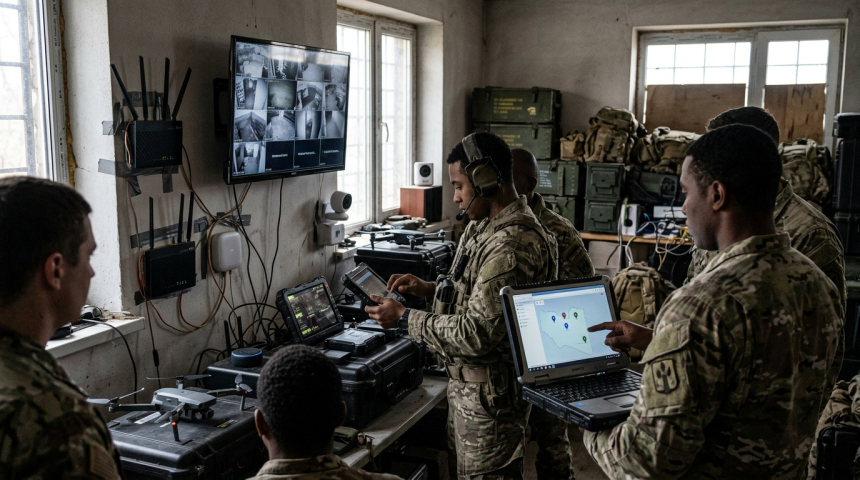
Combatants are turning insecure connected devices into tools for tracking, surveillance and attacks, adding a dangerous digital layer to modern conflicts.
The threat affects devices operating near battle zones and across civilian networks. Weak security can expose locations, communications and daily routines. That information may help armed groups identify targets or plan operations.
The warning is direct:
“The highly vulnerable devices have turned into tools for combatants to track, surveil and attack the enemy.”
The concern reflects a wider shift in warfare. Consumer electronics now gather large amounts of location and behavioral data. Many products were designed for convenience rather than hostile conditions.
Everyday Technology Creates Military Risks
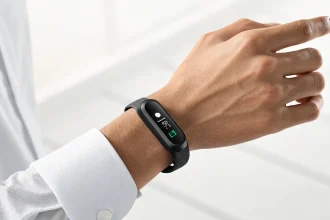
Connected cameras, phones, vehicles, sensors and household devices can collect sensitive information. Some retain location histories or transmit data to remote servers.
Combatants may seek access through weak passwords, old software or exposed online services. They may also use data shared by legitimate applications without directly breaking into a device.
A single compromised product may reveal little. Data from several sources can provide a clearer picture of troop movements, supply routes or activity at a facility.
These risks can extend to civilians. A device near a military site might expose nearby residents, aid workers or journalists. Users may not know that routine digital activity creates an intelligence trail.
Security Gaps Carry Physical Consequences
Cybersecurity failures were once viewed mainly as threats to privacy, money or business operations. During conflict, the same weakness may contribute to physical harm.
Tracking data can help locate people or equipment. Camera access can support remote observation. Control over a connected system may disrupt communications, transportation or other essential services.
The main risks include:
- Location data revealing movements or gathering points
- Compromised cameras providing live surveillance
- Stolen account details exposing messages and contacts
- Unpatched systems offering access to wider networks
However, not every vulnerable device presents the same danger. Risk depends on what information it collects, where it operates and whether attackers can use its data quickly.
Manufacturers and Users Share Responsibility
Device makers can reduce exposure through secure default settings, regular updates and clear support periods. Products should also limit unnecessary data collection and protect stored information.
Operators in sensitive areas face harder choices. Turning off location services may help, but some applications continue collecting nearby network data. Removing a device from service may be safer when its security cannot be verified.
Organizations can also separate connected products from critical systems. Strong passwords, multi-factor authentication and prompt software updates can block common entry points.
Governments and military planners must balance operational needs with civilian rights. Broad surveillance or restrictions on personal technology may reduce some risks while creating new privacy and accountability concerns.
Conflict Is Testing Consumer Security
The use of vulnerable devices in combat shows that product security is no longer only a technical issue. It can affect battlefield decisions, humanitarian work and civilian safety.
Future scrutiny will likely focus on how long manufacturers support devices and how much information products collect. Investigators will also watch whether armed groups combine consumer data with traditional intelligence.
The central lesson is clear: a connected device can become an intelligence source without its owner’s knowledge. Better design and stricter operating practices may limit that threat, but they cannot erase it. As conflicts rely more heavily on digital information, weak devices will remain valuable targets.