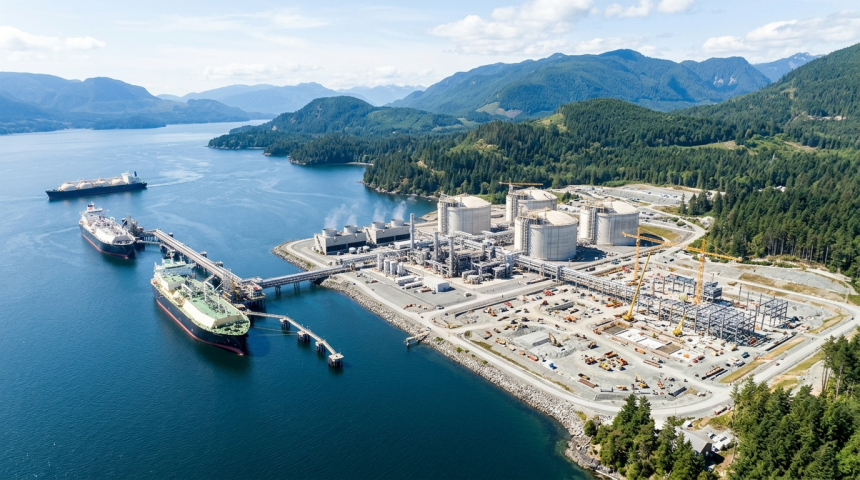
Shareholders in Canada’s largest liquefied natural gas facility, including Shell PLC, are preparing to double the project’s capacity. The expected move could increase Canadian gas exports and deepen the country’s role in global energy markets.
The expansion is expected to advance soon, although no final investment date, construction schedule, or revised production target was provided. Those details will determine the project’s cost, timing, and effect on energy supplies.
Shareholders Consider a Second Stage
The project’s owners are described as “poised to double the project’s capacity soon.” Such an increase would likely require another major phase of construction and added equipment for processing natural gas.
Shell’s involvement gives the proposal support from one of the world’s largest LNG suppliers. However, large energy projects normally require agreement among all shareholders before spending can begin.
A final decision would depend on several factors:
- Expected long-term demand for LNG
- Construction and financing costs
- Available natural gas supplies
- Regulatory and environmental requirements
- Contracts with overseas buyers
Doubling capacity would be a major commitment. LNG facilities cost billions of dollars and often take years to build, test, and bring into full operation.
Why More Canadian LNG Matters
Liquefied natural gas is produced by cooling natural gas until it becomes a liquid. This process makes the fuel easier to transport by ship to markets that cannot receive Canadian gas through pipelines.
Canada has extensive natural gas resources, but its export options have historically relied heavily on pipelines serving the United States. A larger LNG facility would provide another route to international customers.
Supporters may view the expansion as a source of investment, construction work, export revenue, and demand for Canadian gas. It could also help buyers diversify their energy supplies during periods of geopolitical tension.
The proposal also carries financial risks. LNG demand and prices can change sharply, while new projects are being developed by rival exporters. Shareholders must judge whether future sales can justify the cost of expansion.
Environmental Questions Remain
Any capacity increase would draw attention to emissions from gas production, pipelines, processing plants, and ocean shipping. Critics may also question whether new fossil fuel infrastructure fits Canada’s climate targets.
Project owners could respond by seeking lower-emission equipment and cleaner power sources. The scale of any environmental benefit would depend on operating methods, methane controls, and the energy used at the facility.
Local and Indigenous participation will also be important. Major resource projects can offer jobs and revenue, but they may affect land, waterways, and nearby communities. Consultation and benefit agreements can shape public support.
Decision Details Will Set the Outlook
The next key development will be a formal investment decision from the shareholder group. Investors will also watch for updated cost estimates, production figures, regulatory filings, and construction timelines.
If approved, the expansion would represent a large increase in Canada’s LNG export capacity. It could strengthen the country’s access to overseas markets, while adding pressure to manage costs and emissions.
For now, the plan signals confidence from Shell and its partners. The final terms will show whether that confidence is strong enough to support another large round of investment.