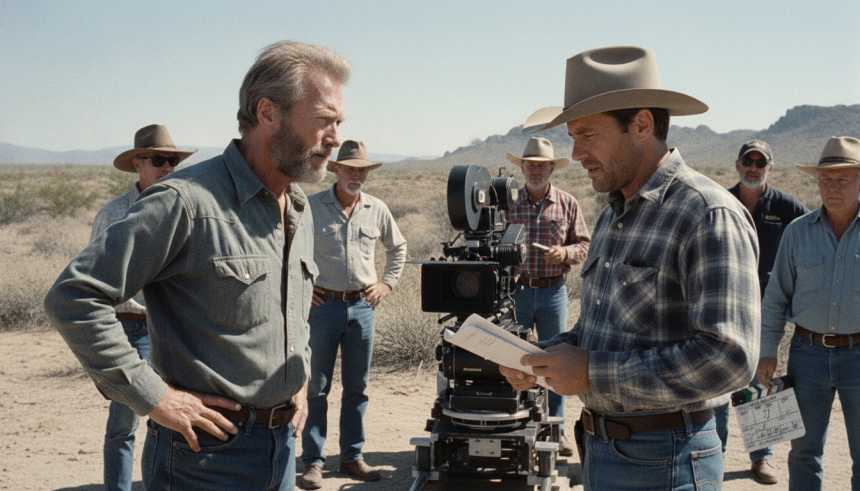
Clint Eastwood, now 96, reminded Kevin Costner, now 71, who was in charge during the making of the 1993 film A Perfect World. The moment, recalled as a show of on-set hierarchy, offers a window into how the veteran director ran his productions. It also sheds light on the working relationship between two major stars at very different points in their careers.
The film shot in Texas and arrived in theaters in 1993. Eastwood directed and co-starred as a Texas Ranger. Costner headlined as an escaped convict who bonds with a young boy. The exchange about authority speaks to the culture of film sets in the early 1990s and how creative power was enforced.
A Film That Paired Two Heavyweights
A Perfect World landed during a peak stretch for both men. Eastwood had just won Oscars for Unforgiven in 1993. Costner was fresh off hits like Dances with Wolves and The Bodyguard. The pairing drew attention because it joined an established director with a bankable star.
Reviews praised the film’s quiet tension and moral weight. Box office returns were modest in the United States but stronger overseas. Over time, the movie earned a loyal following for its performances and restrained style. Eastwood’s steady direction and Costner’s layered turn made the collaboration a case study in star-director chemistry.
Setting the Chain of Command
On the set, Eastwood was known for few takes, low voices, and moving fast. Crews often describe his sets as calm and precise. Costner, at the height of his fame, stepped into that system and adjusted to the way Eastwood worked.
He showed the former Yellowstone star the “pecking order” on the set of the 1993 classic.
The phrasing suggests a reminder about who makes final calls. It also hints at how respect and responsibility are communicated when the camera is not rolling. In practice, that usually means tighter schedules, clear notes, and deference to the director’s plan.
How Film Sets Organize Power
Every production runs on a chain of command. Authority flows from producers to the director and first assistant director. Department heads follow, then cast and crew. That structure keeps scenes safe, on time, and on budget.
- Producers manage money and logistics.
- The director sets the creative vision.
- The first assistant director controls the daily schedule.
- Department heads execute technical needs.
Confusion rises when roles blur. Clear lines reduce friction. Eastwood’s style fits that model. He favors short days, swift setups, and actors who are ready on the first take. A simple reminder about order can keep a day from slipping.
Costner Then and Now
Costner’s later turn leading Yellowstone made him a symbol of modern prestige TV. He brought a cinematic presence to the series and drew a large audience. Leaving the show sharpened focus on his film work again, including long looks back at his 1990s choices.
Viewed today, the 1993 on-set moment reads like a learning curve for a star still shaping his process. Eastwood’s approach asks actors to trust the plan. Costner’s performance in A Perfect World suggests that he did.
What the Moment Reveals
The brief reminder about order says three things. First, strong sets need clear leadership. Second, big personalities can still find common ground. Third, respect flows both ways when the work shows results.
Industry veterans often point to Eastwood’s reputation for efficiency. That reputation rests on rules that are simple and enforced. The “pecking order” moment aligns with that culture and offers a reason the film holds together so well.
Looking Ahead
Hollywood is shifting toward more collaborative rooms and longer rehearsal time on some projects. Yet the need for decisive calls has not faded. As new stars step into major productions, they face the same balance between autonomy and direction that Costner faced in 1993.
The takeaway is clear. When a director like Eastwood sets the tone, the work often benefits. When a star like Costner listens, the performance can deepen. That mix helped shape A Perfect World, and it still shapes sets today.
This small story from a Texas shoot reminds audiences why authority, used with care, can steady a film. It also explains why the movie’s legacy keeps growing. Watch for future projects to borrow from that playbook: calm sets, concise notes, and a firm hand when it counts.