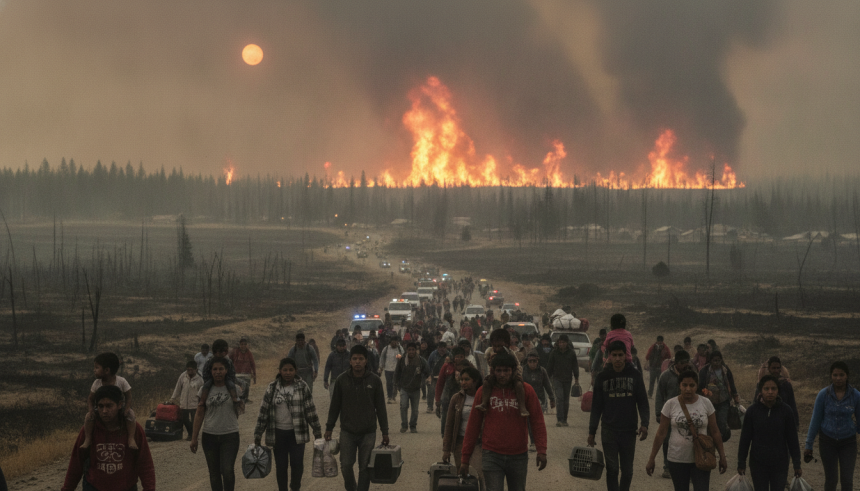
Powerful wildfires in Spain and France have driven mass evacuations, straining emergency services and highlighting intensifying climate risks across Europe. Thousands fled with little warning as flames advanced on towns and forests, a stark sign of a warmer, drier season that officials say is becoming more dangerous. Crews battled shifting winds and high temperatures as authorities opened shelters and closed roads.
“Hundreds of thousands of people have been forced from their homes as powerful wildfires sweep across Spain and France, revealing the growing scale of a climate crisis already reshaping the continent.”
Firefighters described fast-moving fronts and difficult terrain. Local leaders urged residents to follow evacuation orders and avoid returning until areas are declared safe. The fires burned in multiple regions, complicating logistics and stretching aircraft and ground teams.
Why Europe’s Fire Seasons Are Growing Longer
Scientists and European agencies have warned for years that hotter, drier summers raise the chance of extreme fires. Warmer air dries vegetation, which becomes easier to ignite. Once burning, fires spread faster and are harder to contain.
Past seasons offer a measure of the change. In 2022, Europe saw one of its worst wildfire years on record, with more than 700,000 hectares burned, according to EU monitoring data. That year was marked by repeated heat waves and drought, conditions now appearing more often.
Researchers say Europe has been warming faster than the global average. Heat waves are more frequent and intense, and dry spells last longer. These trends increase fire risk even in areas that historically saw fewer large blazes.
Evacuations, Health Risks, and Strained Services
Evacuations moved at speed as smoke and ash spread across roads and towns. Rail and highway closures slowed travel. Power lines and telecommunications faced intermittent outages in some areas.
Public health officials warned about smoke exposure. Fine particles aggravate asthma, heart disease, and other respiratory conditions. Residents were advised to wear masks, stay indoors when possible, and use clean-air rooms.
Emergency shelters provided food, water, and cots. Local charities coordinated supplies. Veterinarians and volunteers worked to move livestock and pets out of harm’s way.
- Officials urged people to heed evacuation alerts.
- Hospitals prepared for smoke-related admissions.
- Authorities restricted access to high-risk forests.
Economic Fallout: Tourism, Agriculture, and Insurance
Tourism, a major employer in both countries, faced cancellations as beaches, parks, and trails closed. Hotels housed evacuees and emergency workers instead of visitors. Farmers reported crop stress from heat and smoke, and some grazing lands were scorched.
Insurers anticipated claims for homes, vehicles, and businesses. Analysts said repeated extreme seasons can push premiums higher and make coverage harder to secure in high-risk zones. Rebuilding may take months in burned areas, especially where water and power systems need repair.
What Experts Say About Prevention
Fire managers stress prevention during cooler months. That includes clearing brush, creating fuel breaks, and managing forests to reduce dense undergrowth. Local communities can prepare evacuation routes and defensible space around homes.
Officials also point to early detection. Satellite monitoring and lookout networks help crews act faster. Public campaigns target risky behaviors such as unattended campfires and machinery sparks.
Longer term, climate policy looms large. Cutting greenhouse gas emissions can reduce the pace and severity of warming. Adaptation funds can expand firefighting fleets, training, and resilient infrastructure.
Lessons From Recent Seasons
Across southern Europe, recent fires share patterns: heat, wind, and dry fuel. Spot fires jump ahead of the main front, catching communities off guard. Even after rain, rekindling can occur in peat or deep duff, requiring patrols for days.
Case studies from earlier years in Portugal, Greece, and Spain show the value of community drills and clear evacuation signage. They also show the cost when exits are limited or communications fail. Coordinated cross-border support helps when several regions burn at once.
Experts warn that rebuilding should factor in future risk. That includes fire-resistant materials, cleared perimeters, and access for fire engines. Land-use planning can steer new housing away from high-risk corridors.
The latest fires reinforce a simple message. Prepare early, move quickly, and plan for seasons that start sooner and end later. Authorities in Spain and France said they will review lessons from this crisis once the flames subside.
As crews gain ground, the focus will shift to recovery and adaptation. Key questions remain about how to protect towns, farms, and tourism while the climate warms. Watch for updates on containment, damage assessments, and policy steps aimed at reducing risk before the next heat wave arrives.