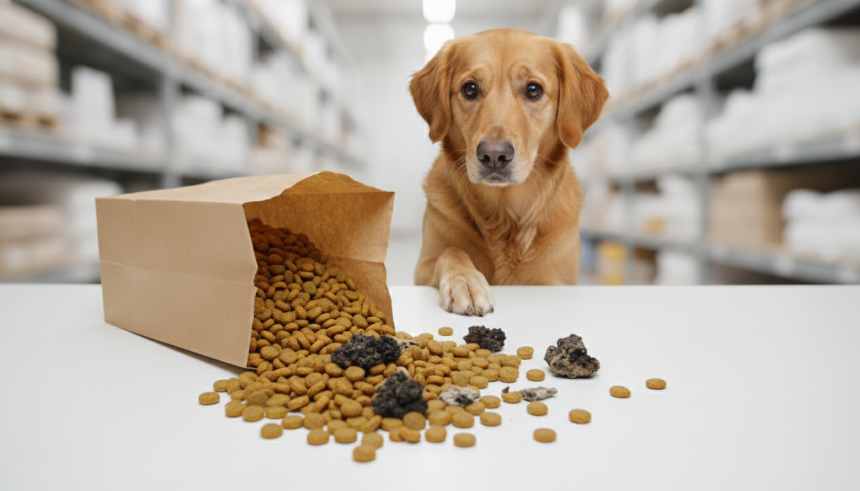
Pedigree said contaminated pet food was slipped into U.S. channels through fraud, raising urgent questions about supply chain security and pet safety. The company did not specify when or where the food was sold, but it said the products were not meant for the American market. The disclosure puts pet owners on alert and places new pressure on retailers and regulators to trace the route of the tainted goods.
“The contaminated Pedigree food was fraudulently sold into the U.S. market,” the company said.
What the Company Says Happened
The company describes an illegal diversion of product into the United States. That suggests the food bypassed authorized distributors and standard checks. It also implies labels, import documents, or both may have been manipulated to sneak the food onto shelves.
Pedigree has not released batch codes or a recall notice tied to the statement. It has also not shared the origin of the affected items. Without that detail, retailers and pet owners are left scanning shelves and pantries and waiting for more guidance.
Why This Matters to Pet Owners
Contamination in pet food can involve bacteria, toxins, or foreign materials. Symptoms in pets range from stomach upset to severe illness, depending on the contaminant and the animal’s health. Vets often advise owners to monitor for vomiting, diarrhea, lethargy, or loss of appetite after exposure to suspect food.
Veterinary groups say early care matters. If a pet shows signs of illness, owners should save the packaging, stop feeding the product, and contact a vet. Receipts, lot numbers, and photos can help vets and regulators investigate faster.
Gaps in a Global Supply Chain
The claim of fraud highlights a long-standing weak spot in consumer goods: gray-market imports and counterfeit products. When goods move outside approved channels, safety checks can fail. That raises risks for brands and shoppers alike.
In pet food, oversight in the United States involves federal and state authorities and industry standards. But spot checks and paperwork audits do not catch every bad actor. Unauthorized distributors can mix legitimate and suspect stock, making tracking harder once products are in stores or online.
Retailers and Regulators Face New Pressure
Retailers now face basic questions: who supplied the tainted items, where they were sold, and how to notify buyers. If stores purchased from an unauthorized source, they may need to pull inventory and alert customers. Online marketplaces will likely review listings and require proof of authorized sourcing.
Regulators can request lot codes, import records, and testing results. They may also issue public alerts once they confirm product details. Clear information from the company can speed that process and narrow the search for affected stock.
How Consumers Can Reduce Risk
Until more details are released, pet owners can take practical steps to lower the chance of buying suspect products:
- Buy from known retailers or the brand’s official website.
- Check packaging for tampering, misspellings, or unfamiliar labels.
- Save lot codes and receipts for any pet food purchase.
- Report unusual odors, textures, or pet illness to the retailer and the manufacturer.
What to Watch Next
The key information now is specific: lot numbers, production sites, and a timeline. If Pedigree issues a formal recall, it should list affected batches, sizes, and expiration dates. That would allow stores to pull items quickly and give owners clear instructions.
This case also serves as a warning for the broader industry. Fraud risks grow when products cross borders and pass through many hands. Brands may respond with tighter distributor vetting, serialized packaging, or more frequent testing.
For now, the message is simple and serious. Pedigree says tainted food entered U.S. shelves through fraud. Consumers should stay alert, retailers should audit supply lines, and regulators should move fast to confirm the scope.