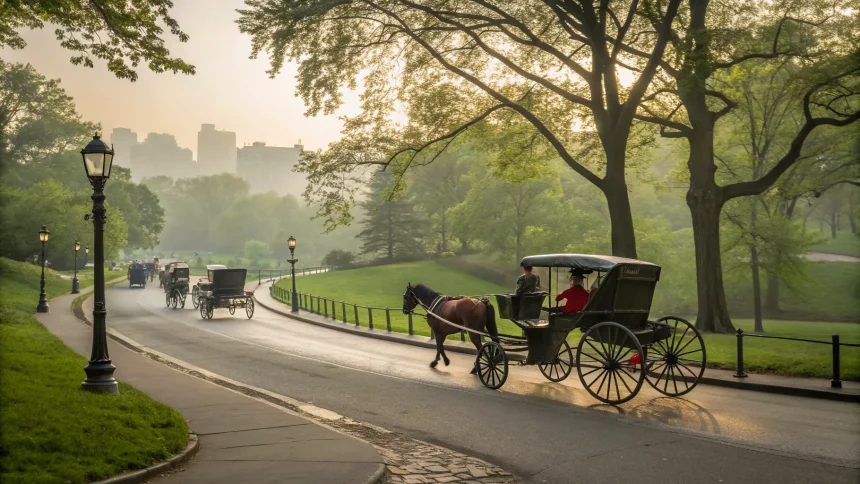
Horse-drawn carriage rides are back in New York City’s Central Park after a deadly crash that killed an 18-year-old tourist, a return that has stirred grief, anger, and fresh scrutiny of a tradition as old as the park’s paved lanes.
The restart comes as city regulators weigh safety, drivers defend their livelihoods, and animal-welfare advocates renew calls for change. The question gripping the city is simple: how to protect people and horses without erasing a fixture of the park’s identity.
Horse-drawn carriage rides have resumed in New York City’s Central Park after a deadly crash that killed an 18-year-old tourist.
Why Operations Restarted
City officials allowed carriages to return after an initial pause to review circumstances of the crash, according to people familiar with the process. The pause aimed to check operator records, animal health reports, and route procedures inside the park. Drivers say they rely on the income and followed the rules in place. Critics argue that the rules are not enough.
Central Park’s carriage trade has survived many tests. It has weathered recessions, changing tourism patterns, and periodic safety debates. After serious incidents, the city has often tightened oversight rather than ending the practice.
Safety Rules Under the Microscope
Carriage operations are governed by a web of city codes. These rules cover licensing, veterinary checks, work hours, and weather limits. The crash has put each of those guardrails back in the spotlight.
- Licensing for drivers and carriages
- Regular veterinary exams for horses
- Daily work-hour caps and mandatory rest
- Temperature and heat-index restrictions
- Designated routes and stands inside the park
Advocates say street traffic and unpredictable noise can spook horses, creating danger even within the park. Drivers counter that most rides take place on calmer park roads, with trained horses and handlers who know the terrain well.
Grief, Tradition, and a Divided Public
The death of a young visitor has intensified a long-running divide. Animal-welfare groups press for a full ban, calling carriage work unsafe for horses and riders alike. They have pushed alternatives, including electric carriages that keep the look without involving animals. Tourism groups and drivers point to the draw of a carriage ride and the people it employs. They argue that better training and enforcement, not a ban, is the answer.
New Yorkers are split. Some see carriage rides as part of the city’s charm. Others view them as an outdated risk. Families of tourists want clear assurances that a joyride does not turn tragic. For now, carriages roll again, and emotions remain raw.
Economic and Cultural Stakes
Carriage rides touch many parts of the city’s visitor economy. They feed nearby restaurants, photo vendors, and hotels that market park romance. A shutdown would ripple across small businesses, especially in the park’s south end. Supporters say the rides are living history, a rare pause in a city of horns and sirens. Opponents say Central Park’s beauty does not need hooves to sell itself.
Insurance and liability costs may rise after a fatal crash. That could push operators to modernize equipment, expand training, or adjust routes. It may also squeeze out smaller stables unable to absorb higher premiums.
What Could Change Next
City lawmakers have floated reforms in past sessions, from stricter temperature cutoffs to phased retirements of street routes. Fresh hearings are likely. Expect sharper reporting requirements, more frequent inspections, and tighter emergency protocols. Routing changes inside the park could reduce contact with bikes and service vehicles.
The technology pitch will return too. Electric replicas with classic styling have backers who promise quiet rides and lower risk. Skeptics worry they would cost more and erase jobs tied to horse care. A pilot program could test those claims without shutting the stables overnight.
A Path Forward
Any durable fix will balance three priorities: public safety, animal welfare, and worker stability. The city has tools to address each, but trade-offs are hard. Stricter limits might make rides safer yet cut earning hours. New equipment could reduce risk but raise costs.
For now, carriage bells are heard again under the park’s elm canopy. The restart answers one question—if rides would return—but not the harder one of how to prevent the next tragedy. Watch for council hearings, insurance moves, and updated park rules in the coming weeks. The stakes are human and heartfelt, and the margin for error is small.