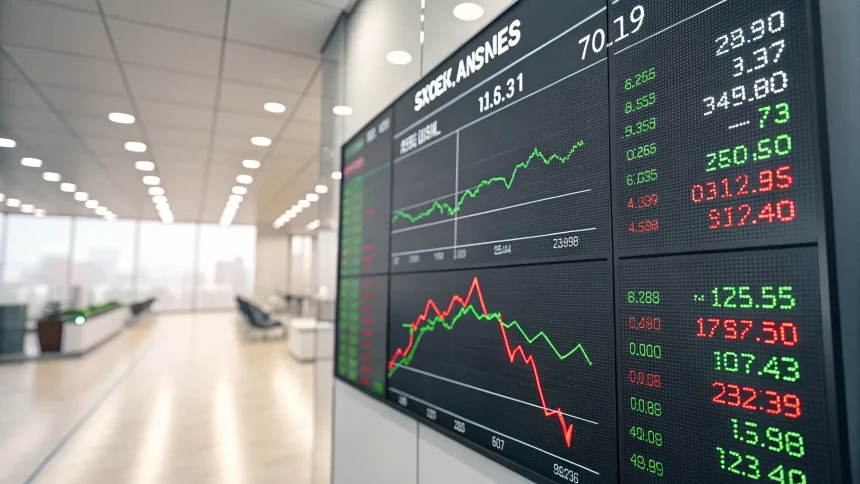
U.S. stocks swung sharply this week as the S&P 500 logged its worst session in eight months, only days after the index set fresh records. The sudden reversal rattled investors who had grown used to steady gains. The pullback reignited debate over how fragile the rally may be and what could come next for markets.
The quick shift framed a larger question for traders and households alike: Did the run-up overshoot fair value, or was this a healthy pause? With major indexes near historic levels, every data release and earnings headline is drawing heavy scrutiny. The move also revived attention on interest rate expectations, company outlooks, and global risk.
What Happened and Why It Matters
It was a volatile period for stocks. The S&P 500 saw its worst session in eight months, just days after the index reached record highs.
The swing highlights how fragile confidence can be at peak levels. When prices sit near records, even modest disappointments can spark quick selling. Traders often cut exposure faster, and automatic orders can add to the drop. That feedback loop can turn a quiet morning into a rough close.
Market pros say sharp moves do not need a single cause. A mix of earnings surprises, shifting interest rate bets, or geopolitical headlines can combine into a sudden break. High valuations can also raise sensitivity to any hint of slower growth.
Background: Markets and Volatility
History shows that pullbacks are common even during long rallies. The S&P 500 has often faced mid-cycle drops before recovering. Periods of low volatility can end abruptly, then return just as fast. Investors who remember past cycles know that sentiment can change in a day.
Bond yields play a role. When borrowing costs rise, investors reassess what they are willing to pay for future profits. If yields fall, stocks often find support. Central bank signals, inflation readings, and jobs data can shift these expectations quickly, amplifying stock moves.
Key Forces Traders Are Watching
- Interest rates: Changing views on policy paths can lift or weigh on stock valuations.
- Earnings guidance: Forward-looking comments often hit prices more than past results.
- Economic data: Inflation, spending, and jobs numbers can reset risk appetite.
- Global events: Energy prices, conflicts, and supply chains affect costs and growth.
- Market structure: Options positioning and algorithmic orders can speed up swings.
Investor Reactions and Risk Management
Portfolio managers described the session as a wake-up call. Some trimmed cyclical bets and added to cash. Others used the drop to buy high-quality names at a discount. That split view suggests uncertainty rather than panic.
Financial advisors urged clients to check allocations against long-term plans. Short-term pain can tempt hasty changes, but diversified portfolios are designed to handle shocks. Many recommend setting rebalancing rules in advance and sticking to them.
Comparisons and What Past Episodes Teach
Past streaks near highs have seen similar air pockets. Quick setbacks did not always signal a deeper downturn. But when earnings momentum weakens or rates rise faster than expected, pressure can last longer. Traders often look at credit spreads and small-cap performance for early clues.
Case studies show that companies with strong balance sheets and steady cash flow tend to hold up better during shaky stretches. Firms with heavy debt or uncertain profits are more exposed when volatility returns.
Outlook: Signals to Track in the Weeks Ahead
The path from here depends on three pillars: profits, prices, and policy. If earnings hold up and inflation cools, the pullback could fade. If margins narrow or rates jump, swings may persist.
Watch for guidance updates from major companies, the next inflation print, and any change in central bank language. Options markets can also hint at how much turbulence traders expect.
The latest sell-off was sharp and swift, but it arrived after a powerful climb. Investors now face a simple test: can corporate results and a steady economy support record-level valuations? The answer will shape risk-taking into the next quarter. For now, vigilance is rising, cash levels are under review, and the market’s next move may hinge on a few key data points and a steady tone from policy makers.