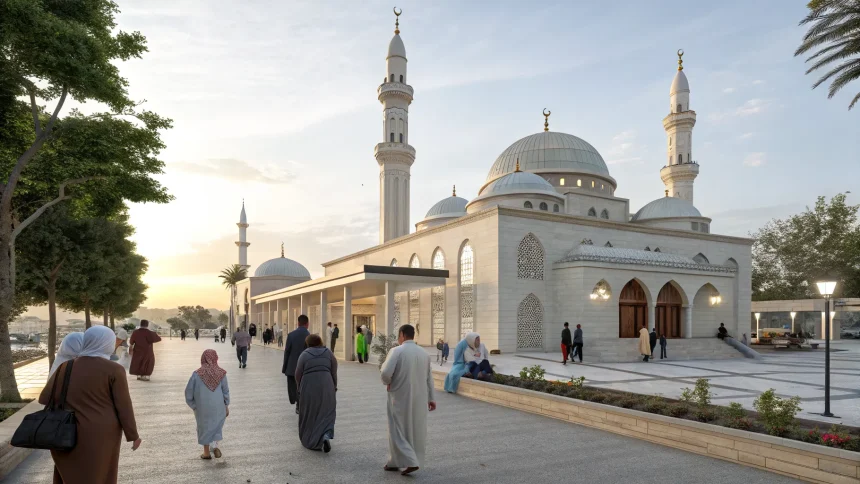
A local mosque is drawing a wide mix of worshippers by offering services in English, a choice shaped by a steady flow of visitors from many countries. The shift reflects a small but steady trend in major cities, where faith communities adapt to global movement and changing demography. The move aims to keep prayers unified and sermons accessible while honoring different cultural roots.
A House of Worship Without Borders
On any given week, the crowd includes students, business travelers, new immigrants, and longtime residents. Many speak different first languages. English has become a practical bridge. One attendee captured the draw in plain terms.
“The mosque is highly diverse,” said a visitor. “Services are in English because attendees come from all over the world.”
For newcomers, a shared language lowers the threshold to take part. It also reduces the chance that anyone feels left out during the sermon or community announcements. In a space built on shared ritual, a common tongue eases the first step inside.
Language As Common Ground
Mosques in global hubs have wrestled with language choices for years. Arabic is central to prayer, while sermons and classes vary by community. In many places, English has become the lingua franca for teaching, event planning, and charity work. Leaders say it helps connect people who might not otherwise meet.
Switching to English for talks can also help with youth engagement. Children raised in multilingual homes may understand a heritage language but prefer English for learning. When sermons land in the language they use at school, more of the message sticks.
Balancing Tradition and Access
Not everyone agrees that English should dominate. Some fear a loss of familiar words, cadences, and local idioms that carry history. Others worry elders could feel sidelined if their strongest language fades from the pulpit.
Communities often look for middle ground. Common approaches include short summaries in multiple languages, printed sermon notes, or language study circles outside prayer times. Each step tries to respect tradition while making room for newcomers.
What Diversity Looks Like
Diversity here is not just a headcount. It shows up in different prayer styles, cultural holidays, and charitable priorities. Some worshippers arrive with memories of mosques from home countries. Others come with no local family ties and build new support networks on site.
In this setting, English helps set shared expectations. It smooths coordination for volunteer drives, youth mentorship, and programs for refugees or students. The aim is to make sure vital details—time changes, safety notes, and community needs—reach everyone the first time.
Why It Matters Now
Migration and travel patterns have accelerated cross-border ties. Faith communities feel these shifts early and often. When people land in a new city, a welcoming place of worship can anchor daily life. Clear, accessible communication is part of that welcome.
Leaders also point to practical gains. Fewer translation gaps mean fewer misunderstandings about schedules or services. And when visitors step in for the first time, hearing a familiar language can ease nerves and spark return visits.
Looking Ahead
The language question will keep evolving. Attendance changes with school calendars, visa cycles, and job markets. Communities may add rotating language sessions, more visual aids, or recorded talks with subtitles. Each tool helps hold a diverse room together.
Still, the core aim is simple: make sure people understand, feel seen, and can take part. The English sermon is one tool among many. Its success rests on whether people feel at home, not just informed.
For now, the message from the floor is clear. An open door and a common language can turn a visit into a habit. As one guest put it, the draw is the mix of people, paired with words everyone can follow. That blend may shape how more urban mosques plan services in the months ahead. Watch for flexible formats, small-group learning in many languages, and a steady focus on inclusion that starts with how we speak to one another.