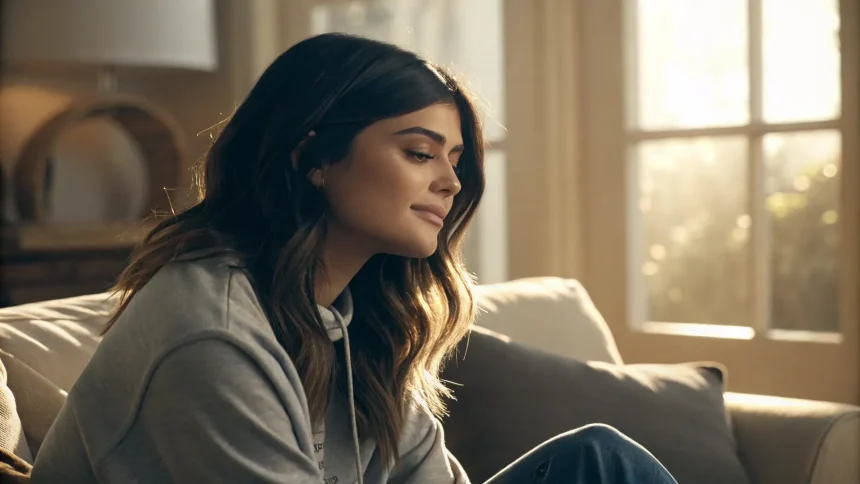
Kylie Jenner has addressed a painful chapter in her life, speaking for the first time about a traumatic second pregnancy with her son, Aire. The reality star and business founder, 26, shared the revelation this week, drawing fresh attention to women’s health and the pressure on new mothers in the public eye. Her comments arrive as conversations about postpartum recovery, mental health, and maternal care gain urgency across the United States.
Kylie Jenner has discussed her traumatic second pregnancy with son Aire for the first time.
The disclosure signals a shift for a figure who, for years, tightly managed personal news. It also raises a broader question: how are high-profile parents reframing public expectations around pregnancy and recovery?
Background: Jenner’s Second Pregnancy and Public Scrutiny
Jenner’s son, Aire, was born in February 2022. The child was initially named Wolf, a choice later changed and confirmed publicly months after his birth. She also shares a daughter, Stormi, born in 2018. Jenner kept her first pregnancy relatively private, with a surprise announcement at birth. The second arrived under heavier attention.
In 2022, Jenner hinted that postpartum life “had not been easy” in social posts, though she offered few details at the time. The new admission suggests the experience went far deeper than fans knew. It reflects the challenge of navigating private health issues while under constant spotlight.
Why This Matters: Maternal Health in Focus
Maternal health outcomes in the U.S. have drawn concern from doctors and lawmakers. The CDC has reported increases in maternal mortality in recent years, with stark racial gaps. Postpartum depression affects about one in eight women, according to federal estimates. Complications do not end at delivery; physical and emotional recovery can take months.
Public figures who speak about difficult pregnancies often prompt others to seek help or to push for better care. Jenner’s platform is massive. Her remarks can shift the online conversation from picture-perfect milestones to the full, messy reality of recovery.
Reactions and Industry Response
Health advocates say celebrity candor can help normalize care-seeking. It can also spark overdue talk about screening and support at six-week checkups and beyond. Some clinicians warn that social media can oversimplify complex health issues. Still, they welcome any move that reduces stigma.
Brands watch closely, too. Jenner leads a beauty empire and has dabbled in wellness products. When a founder speaks about health struggles, consumers listen. That attention can fuel both awareness and sales, but it also invites scrutiny about product claims and responsible messaging.
What We Know, What We Don’t
- She has now acknowledged that her second pregnancy was traumatic.
- Specific medical details were not shared.
- Her prior public comments focused on the difficulty of postpartum recovery.
Without medical details, speculation helps no one. The key point is that pregnancy and recovery can be hard, even with resources, support, and expert care.
The Cultural Shift Around Motherhood Online
Reality TV and social media often reward polished moments. Yet audiences are showing more interest in honest accounts of birth injuries, anxiety, and body changes. Stars such as Chrissy Teigen and Beyonce have previously discussed loss and complications. Jenner’s statement adds weight to this trend and reaches younger fans who grew up watching her family.
Experts say this candor can encourage earlier intervention. It can also push platforms and creators to share resource links, hotlines, and reputable guidance when sensitive topics arise.
What Comes Next
Jenner’s next steps matter. Further detail, even without medical specifics, could help followers recognize warning signs and ask for help. Healthcare providers may use the moment to highlight screening tools and local support groups. Policymakers, meanwhile, continue to debate paid leave and postpartum coverage.
For now, the headline is simple and serious. A high-profile mother says her pregnancy was traumatic. That truth alone cuts through the noise.
The takeaway is clear. Pregnancy stories are not one-size-fits-all. Listening to them—quietly, and without judgment—can change how families heal and how systems respond.