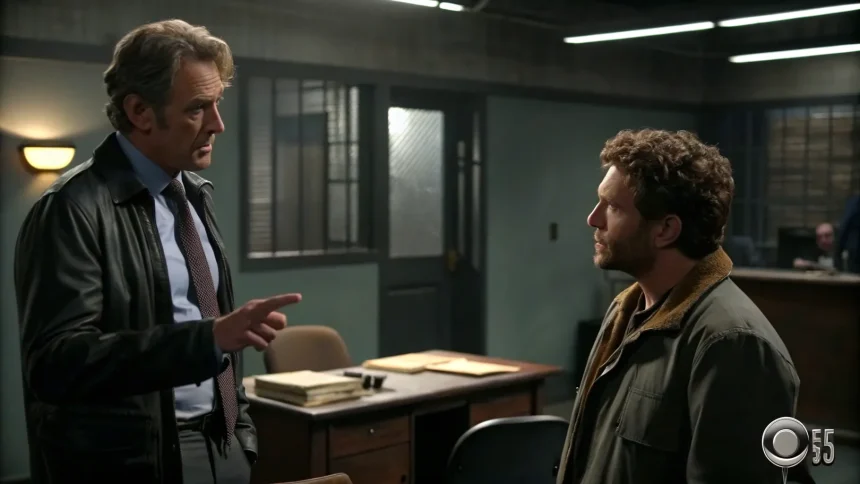
CBS’ crime dramedy Elsbeth slipped in a wink that viewers won’t soon forget, appearing to aim a joke about erectile dysfunction at Elon Musk during a recent episode. The moment, brief but pointed, added a dash of pop-culture spice to a network procedural that thrives on sharp asides. The line sparked fresh chatter about how primetime TV tiptoes through jokes about powerful tech figures, and why the targets of those punchlines keep looking familiar.
What Happened On Screen
“CBS’ hit series ‘Elsbeth’ pulled off another subtle dig by seemingly poking fun at Elon Musk with a joke about erectile dysfunction.”
The jab did not name Musk outright, but the framing made the reference feel plain to many viewers. It landed as a quick aside, the sort of throwaway line TV writers use to color a scene without derailing the plot. The gag highlighted a pattern: network shows threading topical humor into case-of-the-week storytelling.
Why This Joke Matters
Elsbeth centers on Elsbeth Tascioni, a quirky attorney turned NYPD consultant played by Carrie Preston. The character, first introduced in The Good Wife universe, mixes keen insight with offbeat humor. That blend gives the series cover for satire that feels light but pointed.
Musk is an easy cultural touchstone. He runs high-profile companies, posts eye-catching commentary on social platforms, and draws strong reactions. When shows hunt for a shorthand to signal wealth, ego, or tech swagger, his shadow often looms nearby.
The added wrinkle here is the subject of the joke. Erectile dysfunction humor can land poorly if it veers into shaming. On network TV, such a line must clear standards checks and still feel quick, clever, and safe. The show appears to have walked that line by keeping it brief and indirect.
Satire, Power, and the Prime-Time Test
Television has a long history of poking at moguls. From The Simpsons to late-night monologues, tycoons make sturdy setups. The appeal is simple: jokes about the rich and influential can “punch up,” letting audiences laugh at power without guilt.
Yet there is a boundary. Shows avoid stating private facts about real people’s health. Instead, they rely on implication and wordplay. This joke, described as “seemingly” aimed at Musk, stayed in the realm of suggestion, not accusation.
The effect is twofold. The show gets a topical laugh. It also signals that no figure, no matter how loud their public persona, is off-limits to gentle ribbing.
A Trend With Staying Power
Recent years have seen a steady stream of pop-culture nods to tech billionaires. Viewers catch them fast. Writers use them as shortcuts that pack meaning into a few seconds of dialogue. A single line can evoke electric cars, rockets, memes, and a business empire without a bulky exposition dump.
- Short, coded jokes let shows stay timely without legal headaches.
- References travel well on social media clips and recaps.
- Audiences read between the lines, doing half the work.
Elsbeth, by design, is nimble enough to play this game. Its scenes move quickly, and its humor lives in the margins of the mystery. That structure keeps the show current without rewriting its core each week.
What It Says About Elsbeth
The series has leaned on cultural references to add snap to dialogue, but it rarely breaks its tone. It is still a procedural at heart. The humor is seasoning, not the main course. The joke in question fits that approach. It was spicy, not scorching.
For CBS, moments like this broaden reach. A sly line can jump from living rooms to feeds, bringing new eyes to a show that otherwise lives in the crime-hour slot. For viewers, it is a reminder that network TV can still be quick on its feet.
In the end, the gag worked because it was fast, current, and safe enough to pass muster. It did not claim anything about Musk. It simply nudged the audience and moved on. Expect more of that rhythm as the season continues. The series knows how to lace a case with pop-culture sparkle, and the tech world keeps handing it raw material. Watch for more sly nods, subtle names-withheld jabs, and one-liners that say a lot by saying very little.