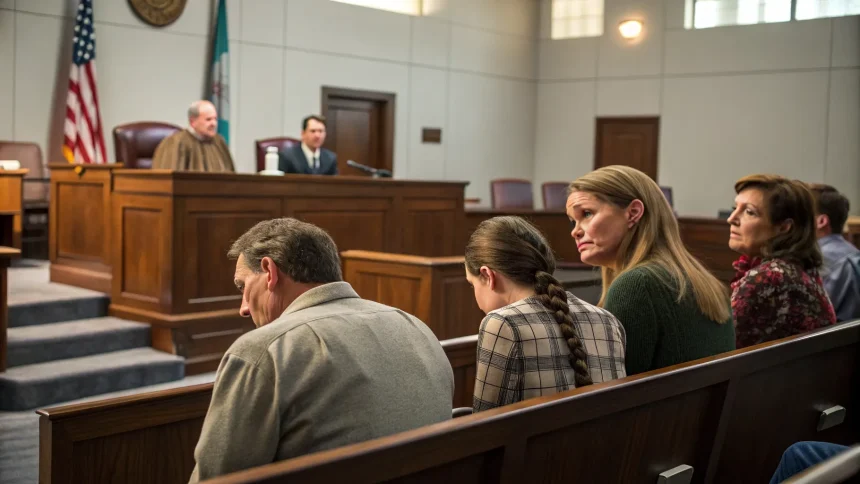
In a tense courtroom Tuesday, families who lost loved ones to opioids condemned a negotiated sentence that brought no charges against any individuals, saying it fell short of accountability and justice. Many spoke during victim impact statements, urging the court to reconsider a resolution they view as too lenient for a crisis that has torn through communities nationwide.
The proceeding centered on a plea arrangement tied to corporate conduct in the opioid supply chain. While the agreement set penalties, it did not name or charge executives. That gap drew sharp criticism from grieving parents and advocates who argued that fines and compliance measures cannot balance the toll of addiction and overdose.
Families Demand Accountability
The most emotional testimony came from parents who described years of grief and frustration. Several said they prepared statements in hope of changing the outcome or at least placing their stories on the record.
“We still deserve justice,” said a mother who lost her son to opioids in 2014. “And this isn’t it.”
Others echoed her call, arguing that a negotiated sentence without individual charges sends the wrong message to companies and leaders who shape how addictive drugs are marketed, distributed, and monitored. Some asked the court to delay approval and press for stronger terms.
- Families questioned why no executives faced charges.
- Speakers said financial penalties do not match the harm.
- Many sought reforms with clear oversight and public reporting.
Broader Context Of The Opioid Crisis
The hearing unfolded against years of litigation over prescription opioids, heroin, and fentanyl that have driven record overdose deaths. Federal data show more than 100,000 overdose fatalities nationwide last year, with synthetic opioids involved in a large share. States, cities, and tribes have pursued settlements aimed at prevention, treatment, and recovery services.
In many cases, money has begun flowing to local programs. But families and advocates continue to push for clear links between corporate decisions and public health outcomes, as well as oversight to ensure funds reach clinics, harm-reduction groups, and treatment providers.
Supporters Cite Certainty And Reform
Backers of the plea deal argued that negotiated terms can deliver faster relief, avoid years of appeals, and lock in compliance changes. They said drawn-out trials risk uncertain verdicts and delayed funding for treatment and prevention, while a settlement can set standards that apply immediately.
Legal experts note that corporate prosecutions often target systems and controls rather than individuals when evidence of personal intent is limited. They also point out that complex supply chains can complicate the assignment of criminal liability.
Legal And Policy Tensions
The dispute highlights a long-running tension: how to weigh corporate fines and compliance against calls for personal accountability. Advocates for families argue that without individual charges, deterrence is weak. Others say detailed monitorships, data reporting, and strict audit rights can change day-to-day practices more effectively than isolated prosecutions.
Observers also track how funds are spent. Public health groups have urged timelines, community input, and transparent metrics to ensure money reaches treatment, overdose prevention, and support for families. Several jurisdictions have set up public dashboards to show spending, while auditors review grants for impact.
What To Watch Next
The court will weigh victim statements alongside the terms of the agreement, which may include fines, compliance measures, or third-party monitoring. Judges can accept, modify, or reject negotiated sentences, though changes are rare once parties reach consensus.
Public health officials say the greatest gains may come from focused investments: expanding medication-assisted treatment, increasing naloxone access, improving care for pain, and tightening data-sharing across prescribers and pharmacies. They add that progress will require steady funding and strong oversight.
The hearing closed with a clear divide. Families want consequences they can recognize as justice. Supporters of the agreement stress immediate action and prevention. The next decision—whether to finalize or adjust the deal—will signal how the justice system balances those goals at a time when overdose deaths remain high and communities seek lasting change.